
🎯 Core Theme & Purpose
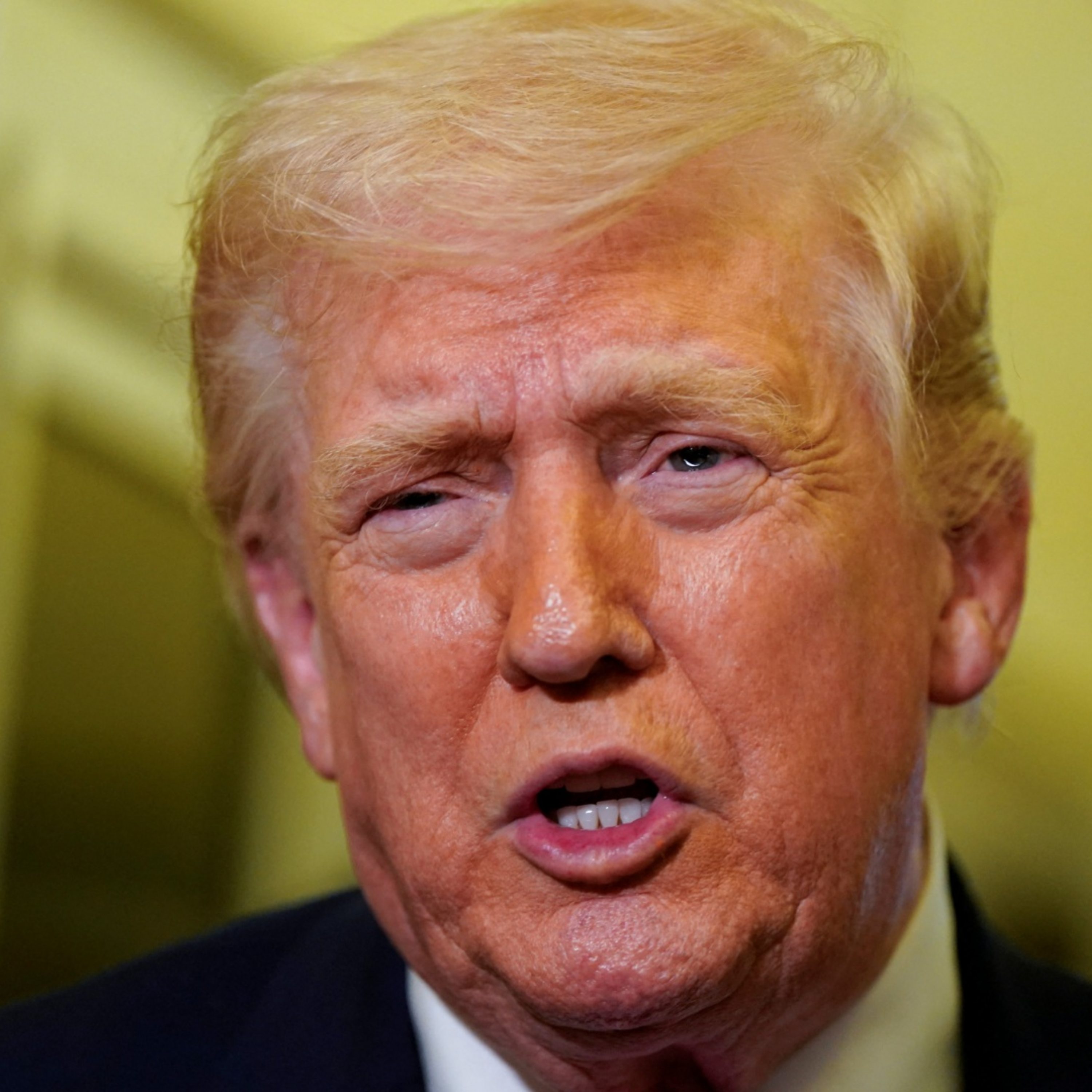
This episode of the Global News Podcast, broadcast on March 30th, focuses on the escalating international tensions surrounding Iran’s oil industry and its potential impact on global markets. It delves into President Trump’s assertive stance on controlling Iranian oil, the geopolitical implications of the conflict, and the economic ripple effects being felt worldwide. The broadcast is essential for policymakers, business leaders, and anyone seeking a comprehensive understanding of the current global economic and political landscape.
📋 Detailed Content Breakdown
• US Military Posturing and Oil Control: President Trump expresses a desire to “take the oil in Iran,” suggesting the possibility of seizing oil-rich islands like Kharg Island. This aggressive rhetoric, coupled with the arrival of a US warship carrying troops, fuels speculation about potential military deployment and its influence on international oil prices.
• Iranian Retaliation and Infrastructure Attacks: Iran faces a series of Israeli air strikes targeting its energy infrastructure, leading to significant damage. These attacks, alongside Iranian threats to target shipping in the Strait of Hormuz, contribute to oil price volatility.
• Economic Consequences and Market Impact: The price of oil surges to $116 a barrel due to threats against shipping lanes. Asian markets like Japan’s Nikkei and South Korea’s Kospi experience significant drops. Governments globally are scrambling to secure alternative energy sources, impacting fuel prices, fertilizers, and food costs.
• Geopolitical Tensions and Diplomatic Efforts: Pakistan offers to mediate the conflict. The US military confirms the presence of the USS Tripoli with thousands of personnel in the region, while Iran accuses the US of plotting a ground invasion. Diplomatic channels are being explored, but tensions remain high.
• US Presidential Stance and Domestic Support: President Trump’s comments are seen as reflecting a desire for a clear objective in the conflict. While polling suggests public opposition to military action, Republican support for Trump remains strong, influenced by his framing of the conflict in religious and ideological terms.
• Impact on Global Supply Chains: The potential disruption of oil flow through the Strait of Hormuz and the Bab al-Mandeb strait poses a significant threat to global shipping and economies. This could lead to widespread economic repercussions felt by countries worldwide.
💡 Key Insights & Memorable Moments
- Counterintuitive Insight: Despite President Trump’s assertive rhetoric about taking Iranian oil, the US faces significant challenges in achieving this goal due to Iran’s complex political structure and potential for retaliation.
- Expert Opinion: Jeremy Bowen highlights that while taking territory might be tactically possible, strategically it doesn’t necessarily bring the US closer to its ultimate goal of changing the Iranian regime’s behavior.
- Memorable Quote: “Iran has countered publicly by making demands of its own… Iran has not been overthrown.” (Jeremy Bowen, reflecting on the complexity of the situation).
- Data Point: The price of oil surges to $116 a barrel, and Asian markets like Japan’s Nikkei and South Korea’s Kospi drop by around 4%.
- Analogy: The situation is likened to the complexities faced in past conflicts like Vietnam and Iraq, where initial objectives evolved and outcomes were not as straightforward as anticipated.
🎯 Way Forward
- Diversify Energy Sources: Nations must accelerate efforts to diversify their energy portfolios away from sole reliance on Middle Eastern oil to mitigate future supply shocks. This matters for economic stability and national security.
- De-escalate Rhetoric and Prioritize Diplomacy: A de-escalation of aggressive rhetoric from all parties involved is crucial to open genuine diplomatic channels and prevent further conflict. This matters for averting wider geopolitical instability.
- Strengthen International Cooperation on Wildlife Protection: The recent listing of 40 migratory species under international protection highlights the need for global collaboration to address shared environmental challenges. This matters for biodiversity and the health of our planet.
- Invest in Sustainable Energy Infrastructure: Future global stability hinges on significant investment in renewable energy and energy efficiency measures to reduce dependence on volatile fossil fuel markets. This matters for long-term economic resilience and environmental sustainability.
- Promote Financial Transparency in Energy Markets: Increased transparency in oil trading and pricing mechanisms can help stabilize markets and protect consumers from speculative price gouging. This matters for fair global trade and economic predictability.