
🎯 Core Theme & Purpose
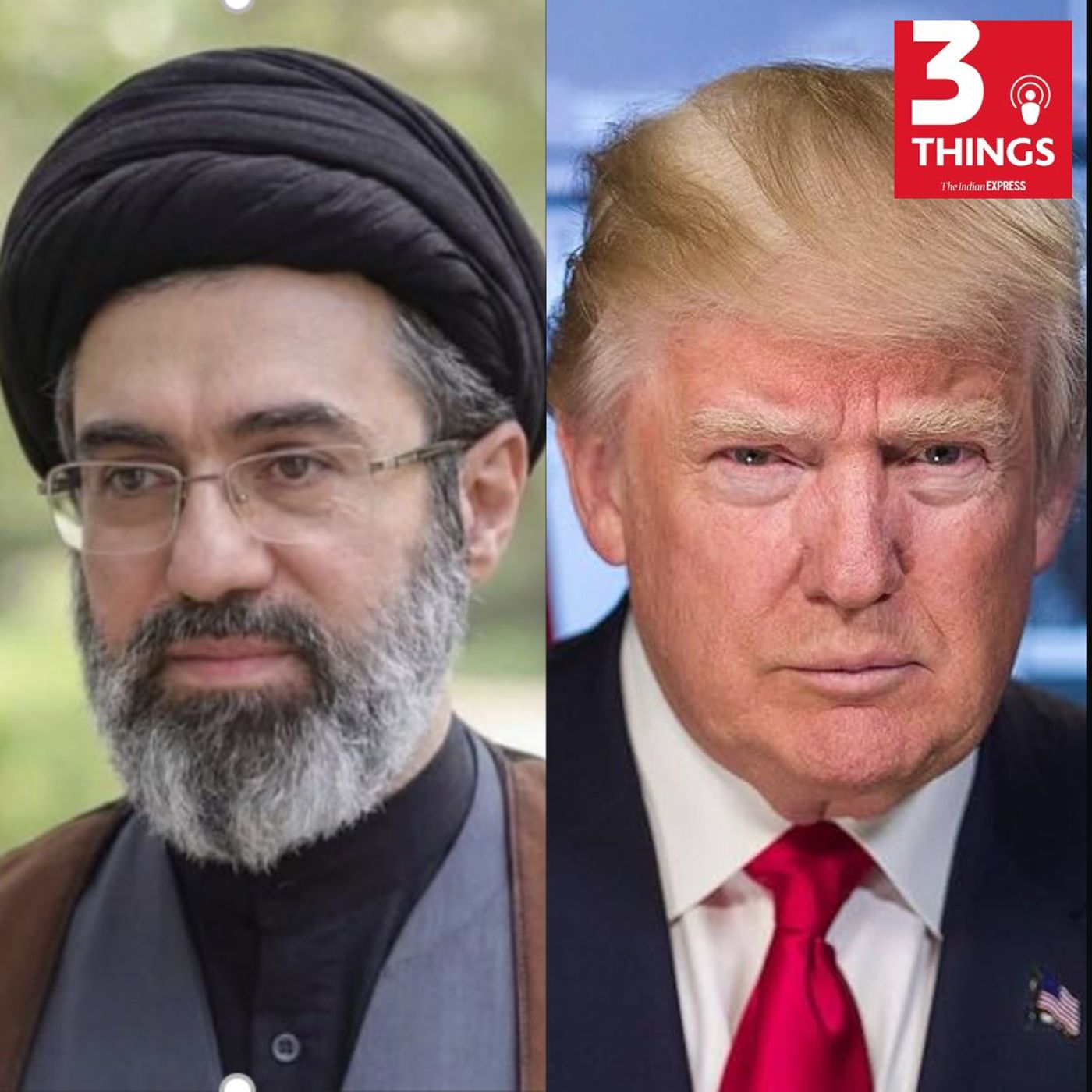
This episode delves into the escalating geopolitical tensions between Iran and the US, exploring the implications of recent escalations on regional stability and global markets. It also examines the controversy surrounding India’s GDP figures and the government’s efforts to operationalize the Women’s Reservation Act. The discussion targets individuals interested in international affairs, economic policy, and socio-political developments in India and the Middle East.
📋 Detailed Content Breakdown
• Iran-US Confrontation Escalates: The US claims productive dialogue, while Iran denies talks and warns of retaliation, including strikes on energy and infrastructure. This escalating rhetoric follows a US ultimatum regarding the Strait of Hormuz, highlighting the volatile nature of the conflict. • Shifting Geopolitical Landscape: The conflict is evolving from a localized skirmish into a wider regional confrontation, with potential ripple effects on global oil supplies and financial markets. The US administration’s strategy appears to be a mix of diplomacy and aggressive posturing, leading to an unpredictable situation. • India’s GDP Data Controversy: Critics question the credibility of India’s official GDP figures, alleging overestimation due to reliance on formal sector data and a perceived disconnect with ground realities. A new data series and revised base year aim to address these discrepancies, but skepticism persists. • Women’s Reservation Act Implementation: The government is exploring ways to operationalize the Women’s Reservation Act, which could significantly increase women’s representation in Parliament. Proposals include expanding Lok Sabha and state assembly seats and using a lottery system for reservations, though details on rotation and seat allocation are still under discussion. • India’s Tricky Position: India faces a complex diplomatic challenge due to its significant economic and security ties with both the Gulf region and the US. The country’s reliance on oil imports, its large diaspora in the Gulf, and its strategic partnership with the US place it in a precarious balancing act. • Operationalizing Women’s Reservation: The government is considering increasing Lok Sabha and state assembly seats to accommodate women’s reservations, potentially adding over 270 seats. This move aims to ensure women’s representation based on the 2011 census, addressing concerns about potential dilution of representation if based on more recent, uneven population growth.
💡 Key Insights & Memorable Moments
- “The conflict is evolving from a localized skirmish into a wider regional confrontation.” This highlights the potential for contagion and the broad impact of the Iran-US tensions.
- Critics argue that India’s GDP figures might be overestimating growth by focusing too heavily on the formal sector, potentially masking underlying economic weaknesses.
- The Women’s Reservation Act’s implementation is being explored through proposals like a lottery system to allocate reserved seats, indicating a shift towards practical measures after the law’s passage.
- “We are a capital-scarce country… The rest of the world will not invest in us until and unless you are very honest and clear and credible data is provided.” This statement underscores the critical link between transparent economic data and foreign investment.
- The potential for a lottery system in the Women’s Reservation Act, while aiming to ensure representation, raises questions about fairness and the perceived legitimacy of seat allocation.
🎯 Way Forward
- De-escalation and Dialogue: Priority should be given to diplomatic channels between Iran and the US to de-escalate tensions and prevent further regional destabilization. This is crucial for maintaining global energy security.
- Transparent Economic Reporting: India must address the persistent concerns regarding its GDP data by ensuring robust methodology and greater transparency in data collection and reporting. Accurate economic data is vital for sound policy-making and attracting foreign investment.
- Equitable Implementation of Women’s Reservation: When implementing the Women’s Reservation Act, careful consideration should be given to the mechanism of seat allocation to ensure fairness and broad acceptance across all states, potentially balancing representation with population distribution.
- Strengthening Indo-Gulf Ties Amidst Tensions: India needs to proactively engage with its strategic partners in the Gulf and the US to safeguard its economic interests, particularly concerning energy security and the welfare of its diaspora.
- Data Credibility for Investment: India must prioritize establishing and maintaining a reputation for credible and transparent economic data to attract the necessary capital investment for sustained growth, as highlighted by expert analysis.