
🎯 Core Theme & Purpose
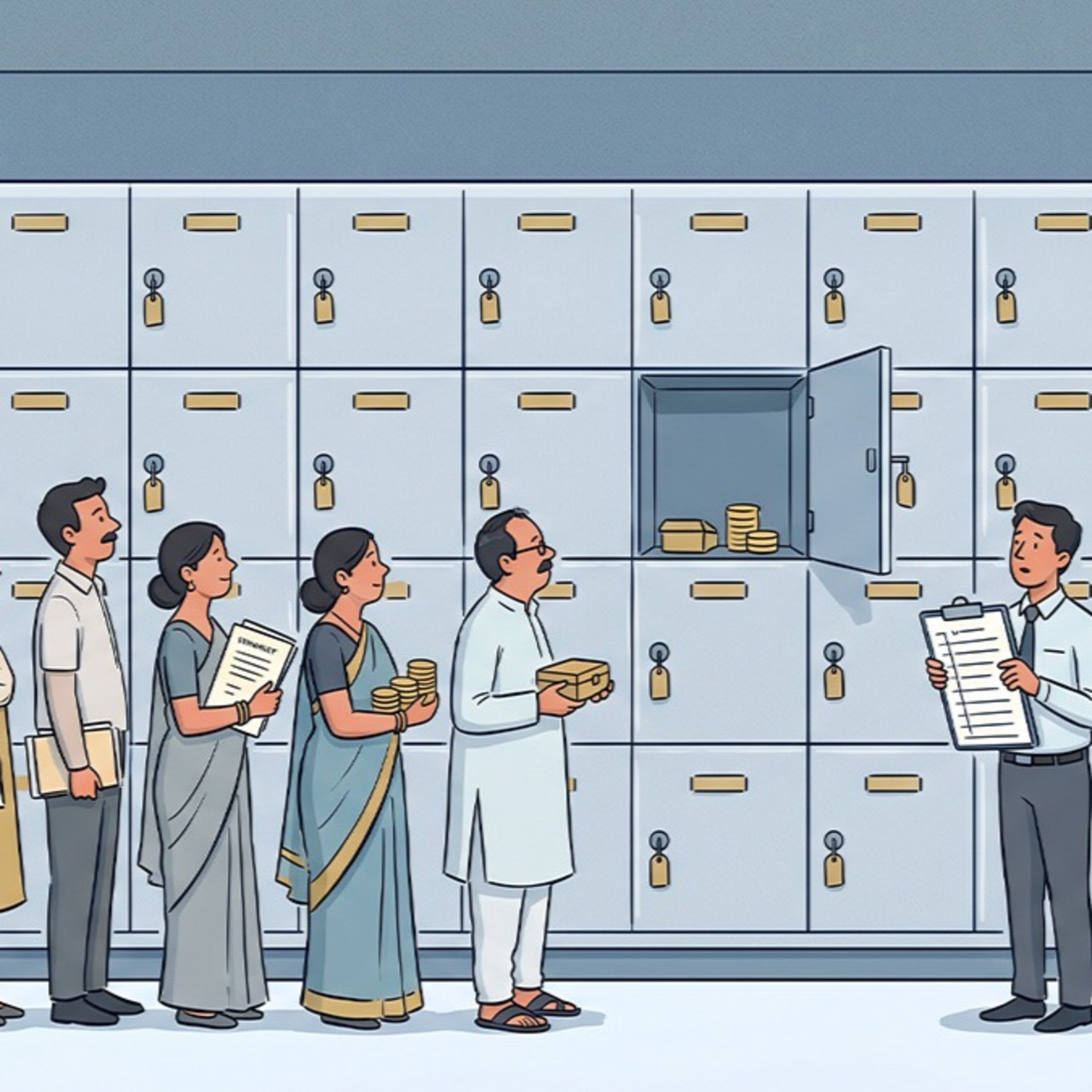
This episode delves into the burgeoning demand-supply gap for bank lockers in India, highlighting the challenges faced by both customers seeking secure storage and banks struggling with profitability. It explores the reasons behind this crisis, the evolving regulatory landscape, and the emergence of innovative private solutions. The content is crucial for individuals seeking safe storage for valuables, financial institutions grappling with locker management, and innovators looking to capitalize on this underserved market.
📋 Detailed Content Breakdown
• The Looming Locker Crisis: India faces a significant imbalance between the demand for bank lockers and the available supply. While only 6 million lockers are available across public and private banks, the demand is projected to reach nearly 60 million by 2030, driven by a growing affluent population and increasing awareness of asset security.
• Bank Lockers: A Profitability Challenge: Despite high demand, bank lockers are not a profitable venture for traditional banks. The annual rent, ranging from ₹1,000 to ₹30,000, barely justifies the significant costs associated with prime real estate, dedicated vault rooms, security systems, insurance, and operational staff.
• Regulatory Hurdles and Shifting Liabilities: RBI regulations have evolved, capping mandatory term deposits for locker rentals and shifting liability from banks to customers for losses due to theft or negligence. This reduces the revenue stream for banks and creates a complex, potentially risky arrangement for customers.
• The Rise of “Ghost Lockers”: A substantial number of lockers remain technically occupied but functionally unusable due to various reasons like the death of the account holder without nominees, prolonged absence, or legal disputes. This exacerbates the supply shortage without adding to the available inventory.
• Private Sector Innovation in Locker Solutions: Private companies are stepping in with automated, technology-driven locker services. These solutions leverage biometrics, AI, and 24/7 accessibility, offering a more flexible and customer-centric approach by operating in non-traditional locations and reducing overhead costs associated with physical bank branches.
• Future Outlook and Investment Opportunities: The growing demand and the limitations of traditional banking models present a significant opportunity for private locker service providers. However, the lack of robust regulatory oversight and deposit insurance for these private ventures poses a risk for consumers.
💡 Key Insights & Memorable Moments
• A surprising revelation is that bank lockers, despite their high demand, are often a “terrible business” for traditional banks due to the mismatch between rental income and operational costs. • The concept of “ghost lockers” highlights a hidden inefficiency in the system, where occupied but inaccessible lockers contribute to the supply crunch. • “The bank merely provided the space; it wasn’t the custodian of whatever you chose to keep inside.” This quote effectively summarizes the historical customer-bank relationship regarding locker contents. • The statistic that Indian households collectively own over 25,000 tons of gold, nearly half of India’s nominal GDP, underscores the immense value of assets requiring secure storage.
🎯 Way Forward
- Diversify Secure Storage Solutions: Individuals should explore a range of secure storage options beyond traditional bank lockers, including private vault companies, considering their accessibility, security features, and cost-effectiveness. This matters for ensuring personalized security needs are met.
- Advocate for Enhanced Regulatory Oversight for Private Lockers: Consumers need assurances of safety and recourse in case of loss. Policymakers should consider establishing a framework for private locker operators similar to banking regulations, including deposit insurance. This matters for building trust and protecting consumers.
- Banks Should Re-evaluate Locker Strategy: Banks could explore partnerships with private locker providers or invest in modernizing their own locker infrastructure to improve profitability and customer experience, potentially leveraging technology for remote access and management. This matters for maintaining relevance and capturing market share.
- Foster Innovation in Secure Asset Management: Continued development of automated, tech-enabled locker solutions that cater to a wider demographic, including semi-urban and rural populations, is crucial. This matters for democratizing access to secure storage and addressing the growing demand.