
🎯 Core Theme & Purpose
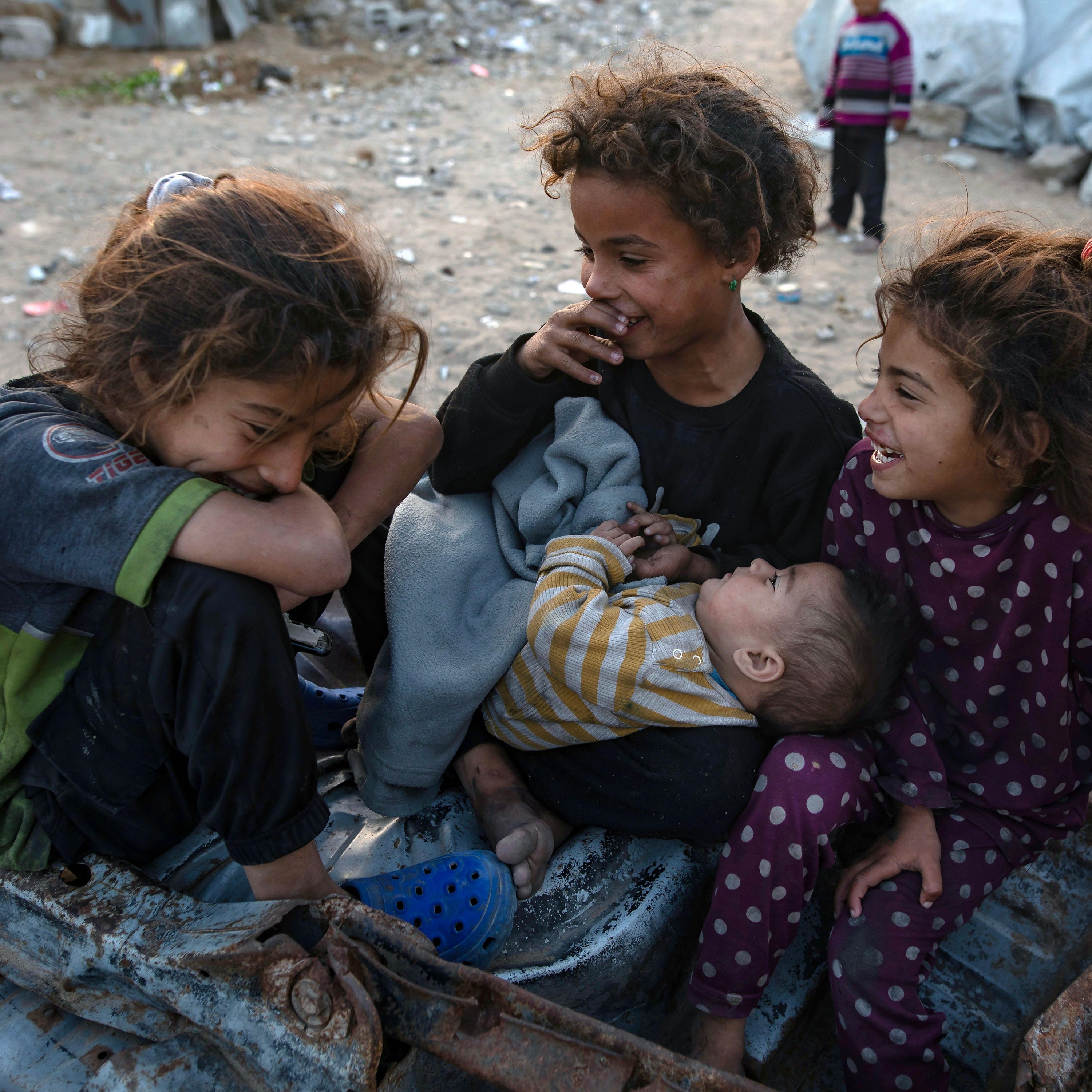
This podcast episode delves into the profound and lasting impact of war and conflict on children, examining their psychological and developmental struggles. It highlights the often-overlooked stories of young survivors and the challenges they face in healing and rebuilding their lives. The episode is essential listening for anyone seeking a deeper understanding of the human cost of war, particularly for humanitarian workers, policymakers, and the general public aiming to foster empathy and support for affected children.
📋 Detailed Content Breakdown
• The Scars of Conflict on Children: The episode emphasizes that children are disproportionately affected by war, experiencing trauma that can have lifelong consequences. The scale of this crisis is immense, with UNICEF reporting over 1100 children killed or injured in the Middle East in just two weeks of recent conflict. This trauma goes beyond immediate physical harm, deeply impacting their mental and emotional well-being.
• Journalism’s Role in Amplifying Children’s Voices: Furgal Keen, a veteran BBC correspondent, shares his experiences covering conflicts and the crucial importance of reporting on the experiences of children. He recounts how his personal journey, including his own childhood experiences of domestic disruption due to alcoholism, fueled a sense of responsibility to give voice to the voiceless, especially children affected by war.
• The Intergenerational Impact of Trauma: The episode explores how unresolved trauma from conflict can be passed down through generations. Furgal Keen reflects on his work in Rwanda and the ongoing struggles faced by survivors, noting that true “closure” is often elusive. He stresses the need for careful, ethical reporting, ensuring that interviewing child survivors does not retraumatize them, but rather provides a platform for their stories.
• The Challenge of Reintegration and Healing: The story of Valentina, a survivor of the Rwandan genocide, exemplifies the immense resilience of children and the long road to recovery. Despite losing her entire family and suffering severe injuries, she managed to survive and, years later, rebuild her life, even having children of her own. This underscores the possibility of healing but also highlights the fragility of such recovery.
• The Pervasive Nature of War Trauma: Furgal Keen shares his personal struggles with PTSD and his experience with alcoholism as a coping mechanism developed from his years of reporting on conflict. He recounts a significant breakdown in 2008, leading to his diagnosis and eventual recovery, emphasizing that the trauma of war affects not only direct victims but also those who witness and report on it. He stresses that working through this trauma requires continuous effort and support.
• The Global Scale of the Children’s Crisis: The episode paints a stark picture of the current global crisis for children in conflict zones. With an estimated 520 million children living in conflict zones worldwide, the challenge is monumental. This highlights the urgent need for effective interventions and support systems that go beyond immediate aid to address the long-term psychological needs of these children.
💡 Key Insights & Memorable Moments
• The devastating statistic that approximately one in five children globally are living in conflict zones, highlighting the sheer scale of the crisis. • Furgal Keen’s observation that true “closure” is often an unattainable ideal for survivors of mass atrocities, underscoring the continuous nature of healing. • The powerful analogy of war trauma being like a “virus” that can be passed down, affecting not just individuals but entire families and communities, emphasizing its pervasive nature. • Furgal Keen’s profound realization, while holding his infant son, that the pursuit of external accolades like “glory” and “prizes” pales in comparison to the fundamental value of life and the safety of loved ones. • The poignant quote from the young woman in Iran: “This war, it has come into our homes, it has come into our families, it is in our blood. And I don’t know when we will be able to get rid of it.”
🎯 Way Forward
- Prioritize Mental Health Support for Children in Conflict Zones: Invest in and scale up accessible, trauma-informed mental health services for children, ensuring they are integrated into humanitarian aid efforts. This matters because early intervention is critical for preventing long-term psychological damage and fostering resilience.
- Develop Long-Term Reintegration and Community Support Programs: Focus on initiatives that help child survivors rebuild their lives within supportive communities, addressing not just individual trauma but also fostering social cohesion and stability. This matters because lasting recovery requires a safe and nurturing environment beyond immediate aid.
- Enhance Ethical Reporting Standards for Child Trauma: Implement stricter guidelines and provide better training for journalists covering conflicts to ensure the ethical reporting of children’s stories, prioritizing their well-being and avoiding retraumatization. This matters because responsible storytelling can raise awareness without causing further harm.
- Advocate for Policy Changes to Protect Children in Conflict: Urge international bodies and national governments to strengthen policies that protect children during wartime, including robust enforcement of international humanitarian law and increased accountability for war crimes against minors. This matters because systemic change is necessary to prevent future atrocities and ensure accountability.
- Promote Resilience-Building Education and Programs: Support initiatives that equip children with coping mechanisms, foster emotional intelligence, and promote positive social development in war-affected areas. This matters because empowering children with these skills is vital for their long-term well-being and their ability to contribute to peacebuilding.