
🎯 Core Theme & Purpose
This episode of The Global Story podcast delves into the complex and often consequential relationship between the United States and Iran, specifically examining the long shadow cast by the 1953 CIA-backed coup. It argues that understanding this historical event is crucial for comprehending contemporary geopolitical dynamics and the ongoing challenges in US-Iran relations. Listeners interested in international relations, Middle Eastern politics, and the historical roots of current global conflicts will find this discussion particularly insightful.
📋 Detailed Content Breakdown
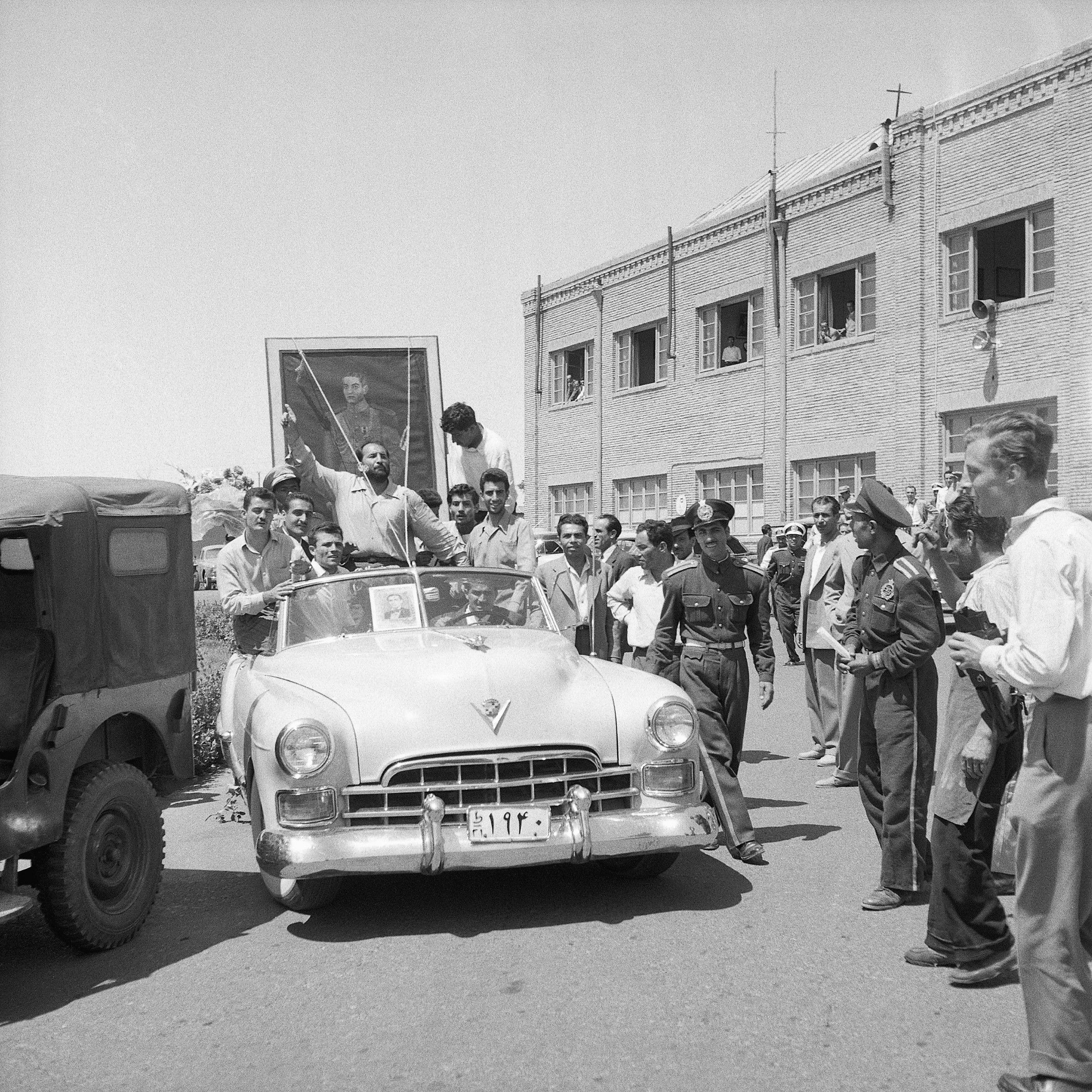
• The 1953 Coup and its Legacy: The episode revisits the CIA’s role in orchestrating a coup that overthrew Iran’s democratically elected Prime Minister, Mohammad Mossadegh, in 1953. This event is presented not merely as a historical footnote but as a foundational moment that continues to shape Iranian distrust of the United States and influence its foreign policy decisions. The subsequent installation of the Shah is highlighted as a direct consequence, fostering decades of resentment.
• Operation Ajax and US Involvement: A detailed breakdown of “Operation Ajax,” the covert operation to remove Mossadegh, is provided. This includes the methods employed, such as propaganda, bribing officials, and inciting unrest, demonstrating a sophisticated, albeit ethically questionable, early example of US interventionism. The narrative emphasizes that while the US presented its actions as countering Soviet influence, the primary driver was securing Western access to Iranian oil.
• Mossadegh’s “Populo-Nationalist” Stance: The episode explores Mossadegh’s appeal as a charismatic, nationalist leader who sought to nationalize Iran’s oil industry and reduce foreign influence. His “populo-nationalist” approach, which resonated deeply with the Iranian populace, is contrasted with the Shah’s autocratic rule, setting the stage for future internal conflicts and anti-American sentiment.
• The Shift in Antagonism: From Britain to the US: The discussion traces how British dominance over Iranian oil shifted to American influence following the 1953 coup. The British held a near-monopoly on Persian oil from the early 1900s, a situation that intensified nationalist sentiment. The episode details how the US, through covert means, effectively replaced Britain as the primary foreign power with vested interests in Iran, leading to a redirection of Iranian anti-colonial anger.
• The Impact on Iranian Nationalism and the 1979 Revolution: The long-term consequences of the 1953 coup are explored, including how it fueled Iranian nationalism and anti-Western sentiment, ultimately contributing to the conditions that led to the 1979 Iranian Revolution. The episode suggests that the US continued to rely on the Shah, further solidifying the perception of the US as an imperial power, and that this historical grievance remains potent.
• The CIA’s Playbook: Operation TPAJAX’s Lasting Influence: The narrative highlights how the success of Operation Ajax in 1953 became a blueprint for future CIA covert operations, including failed attempts in other countries. The episode points out the agency’s subsequent efforts in Guatemala, Iran, and Cuba, often with disastrous results, underscoring a pattern of interventionism that has had profound and lasting global implications.
💡 Key Insights & Memorable Moments
- The “Kermit Roosevelt” Factor: A surprising revelation is the significant, and perhaps underestimated, role of Kermit Roosevelt Jr. in executing Operation Ajax. His daring, almost Hollywood-esque actions, including sneaking into the Shah’s palace, showcase the personal agency and calculated risks involved in such covert operations, even if the narrative was later embellished.
- “The British were the bad guys, now it’s the Americans”: The shift in Iranian animosity from British to American influence following the 1953 coup is a critical takeaway, illustrating how geopolitical power dynamics directly impact national sentiment and foreign policy grievances.
- “The US was not just a cause of the upheaval, its politics are also a symptom of it”: This quote powerfully encapsulates the complex dynamic where US actions both instigate and are a reflection of broader global shifts and tensions.
- The “False Flag” Nature of Operation Ajax’s Aftermath: The episode reveals that the US, through Kermit Roosevelt, essentially manufactured a scenario where the coup appeared to be a popular uprising against Mossadegh, rather than a foreign-orchestrated event. This manipulation of public perception, both within Iran and internationally, is a key element of the operation’s enduring controversy.
- The CIA’s “Success” as a Precedent: The effectiveness of the 1953 coup in achieving US objectives, despite its long-term negative repercussions, is presented as a cautionary tale. It emboldened the CIA to employ similar tactics elsewhere, leading to a pattern of intervention that often destabilized regions and fostered deep-seated anti-Americanism.
🎯 Way Forward
- Acknowledge and Confront Historical Grievances: The US must move beyond simplistic narratives and engage in a more honest acknowledgment of its role in past interventions, particularly the 1953 coup, as a prerequisite for building trust with Iran. This is crucial for any genuine diplomatic progress.
- Understand “Anti-Americanism” as a Complex Phenomenon: Recognize that anti-American sentiment in Iran is not monolithic but rooted in specific historical events and perceived injustices, rather than being solely a product of Iranian ideology. Future US policy should be sensitive to these historical narratives.
- Prioritize Diplomacy Over Covert Action: The legacy of Operation Ajax underscores the inherent risks and long-term negative consequences of covert interventions, suggesting a stronger reliance on transparent diplomatic channels for engaging with nations like Iran.
- Support Iranian Civil Society and Democratic Aspirations: For lasting stability and improved relations, US policy should aim to support the aspirations of the Iranian people for self-determination and democratic governance, rather than relying on autocratic allies or covert destabilization tactics. This matters for fostering a more stable and cooperative regional order.