
🎯 Core Theme & Purpose
This episode of the BBC World Service’s Global News podcast provides a comprehensive overview of pressing international issues, focusing on geopolitical conflicts, climate change impacts, and the emerging risks of artificial intelligence in finance. It offers a vital update for individuals seeking to understand the complex global landscape, from the fragile ceasefire in Lebanon to the potential economic disruptions posed by AI. The podcast delivers essential context for policymakers, analysts, and engaged global citizens concerned with international stability and technological advancement.
📋 Detailed Content Breakdown
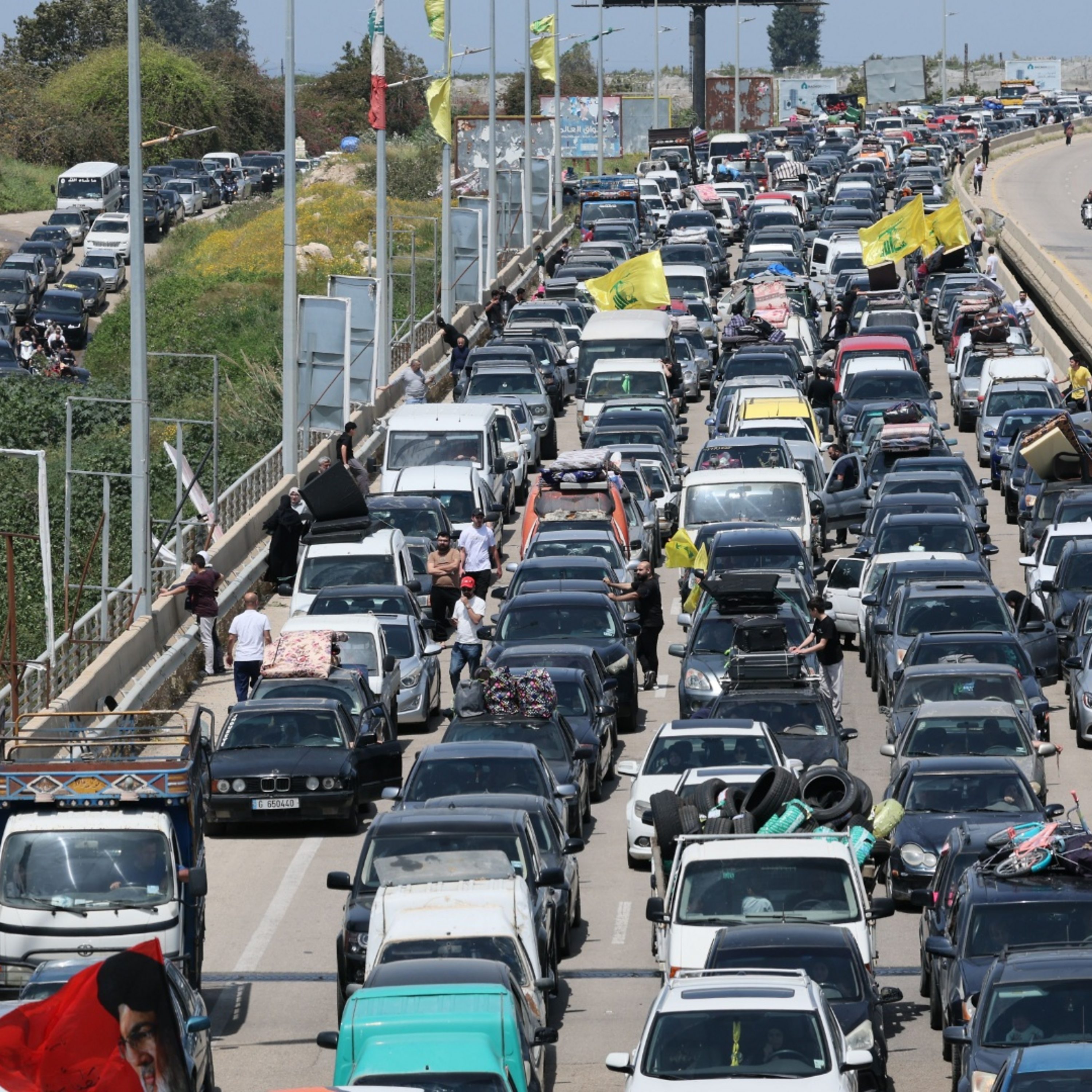
• Lebanon-Israel Ceasefire and Displacement: A 10-day ceasefire between Israel and Lebanon is holding, allowing people displaced by fighting between Israel and Hezbollah to return home. However, concerns about the safety and fragility of this truce persist, with Hezbollah maintaining a readiness to retaliate. Correspondent Karine Torbey reports from southern Lebanon, detailing the significant destruction in areas like Nabatiyeh and witnessing the return of residents, many of whom are prepared to rebuild even if their homes are destroyed.
• Iran and Nuclear Deal Tensions: With less than a week remaining until another ceasefire deadline between Iran and the US, there is uncertainty about whether negotiations will resume. Lease Du-Set reports from Tehran, noting the damage already inflicted by American and Israeli actions and facing questions about potential renewed bombings. The situation is described as highly volatile, with differing interpretations of the ceasefire’s implications and a potential for future military operations.
• AI’s Threat to Global Finance: An interview with Samuel Atkinsen, a former strategist for the UN Framework Convention on Climate Change, highlights the significant risks artificial intelligence poses to the global financial system. The development of AI models like Mithos by Anthropic has revealed vulnerabilities in secure banking networks, prompting warnings from central bankers and finance ministers at the IMF meetings. This advancement is happening faster than anticipated, necessitating robust safeguards and a re-evaluation of system resilience.
• Climate Change and Ocean Currents: Tom Rivett-Carnac, a former climate negotiator, discusses a concerning report indicating that the Atlantic Meridional Overturning Circulation (AMOC), a crucial ocean current regulating climate, could be closer to collapse than previously thought. This collapse would have catastrophic consequences for Europe, Africa, and the Americas, potentially making agriculture unsustainable and leading to severe disruptions. The report suggests that current models may be underestimating the risk, with a more pessimistic outlook becoming increasingly likely.
• Papal Visit to Cameroon and Calls for Peace: Pope Francis held an open-air mass in Duala, Cameroon, attended by hundreds of thousands, while also visiting Bamenda in the Northwest region, the epicenter of the Anglophone conflict. He called for peace and reconciliation, criticizing those he deemed tyrants and warmongers. His visit, highly anticipated for its potential to bring an end to the nearly 10-year conflict, also brings attention to post-election violence and the release of political prisoners.
• Royal Couple’s Australian Tour and Commercial Engagements: Prince Harry and Meghan Markle, now private citizens, are on a four-day tour of Australia. The visit includes engagements with charities and children’s hospitals, alongside commercial opportunities. Their activities, such as a high-priced women’s retreat and a private conversation with Menzies, are drawing mixed reactions, with some questioning the blend of royal duties and financial ventures.
💡 Key Insights & Memorable Moments
• The “Unknown Unknown” of AI Risk: Francis Philippe-Champagne described AI’s potential impact as the “unknown unknown,” emphasizing that current understanding of its full implications, particularly in finance, is limited, making proactive risk assessment crucial. • AMOC Collapse and Agricultural Devastation: Tom Rivett-Carnac warned that the collapse of the Atlantic Meridional Overturning Circulation could render half the world’s land unsuitable for growing wheat and maize, a statistic with dire global food security implications. • Japan’s “Cruelly Hot Days”: The creation of a new Japanese term, “Kōkōshōbi,” for days exceeding 40°C highlights the increasing frequency and severity of extreme heat events, a tangible sign of climate change’s impact. • “Cash Machine” Accusation Against Royals: Some public reactions in Australia viewed Prince Harry and Meghan Markle’s tour as akin to using Australia “as an ATM or a cash machine,” reflecting a critical public perception of their commercial activities. • The Cost of Conflict on Civilians: Correspondent Karine Torbey painted a stark picture of widespread destruction in Southern Lebanon, with one resident stating, “It’s what everyone wishes for… This is the land where I was born,” underscoring the profound human cost of prolonged conflict.
🎯 Way Forward
- Develop Robust AI Governance Frameworks: International bodies and national governments must urgently collaborate to establish comprehensive regulatory frameworks for AI development and deployment, particularly in critical sectors like finance, to mitigate unforeseen systemic risks. This matters for ensuring financial stability and preventing future crises.
- Invest in Climate Change Adaptation and Mitigation for Agriculture: Given the potential impact of AMOC collapse on global food production, significant investment in climate-resilient agricultural practices and alternative food sources is imperative. This is crucial for global food security and preventing widespread famine.
- Promote Diplomatic Solutions for Regional Conflicts: Continued diplomatic efforts are essential to de-escalate tensions in regions like Lebanon and Iran, focusing on sustainable ceasefire agreements and addressing underlying grievances. This matters for preventing further humanitarian suffering and regional destabilization.
- Clarify Ethical Guidelines for Public Figures’ Commercial Activities: Clearer ethical guidelines are needed for public figures and former royals regarding their commercial engagements, ensuring transparency and avoiding perceptions of exploitation. This is important for maintaining public trust and upholding the integrity of charitable work.
- Strengthen Early Warning Systems for Extreme Weather: Enhancing and expanding early warning systems for extreme heat and other climate-related events, coupled with public education campaigns, is vital for saving lives and building community resilience. This matters for immediate public safety and long-term adaptation strategies.