
🎯 Core Theme & Purpose
This episode delves into the complex socio-political landscape of Maharashtra, focusing on two critical issues: the mandated use of Marathi for drivers and the government’s approach to commemorating the Air India crash site. The discussion aims to inform listeners about the implications of these policies for migrant workers and victims’ families, highlighting the interplay between linguistic identity, public safety, and historical remembrance. Individuals interested in Indian policy, labor rights, and the socio-cultural dynamics of the region will find this episode particularly insightful.
📋 Detailed Content Breakdown
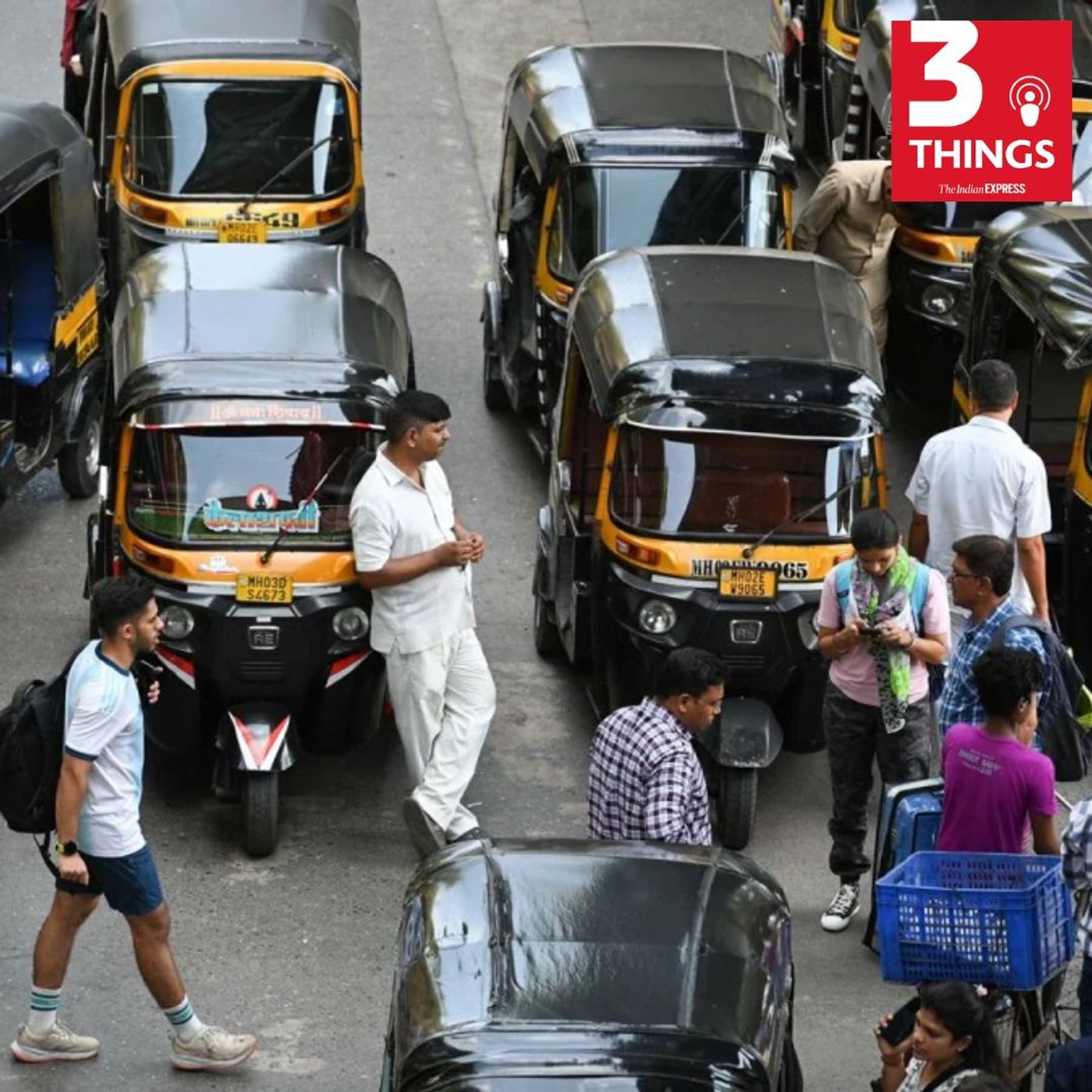
• Marathi Language Mandate for Drivers: The Maharashtra government has launched a 100-day drive requiring auto and taxi drivers to demonstrate working knowledge of Marathi, with a deadline of August 15th. This initiative aims to improve communication between drivers and passengers, and also to identify and penalize irregularities in licenses and permits. While the intent is communication, many migrant drivers struggle to learn the language due to demanding work schedules, posing a significant challenge to their livelihoods.
• Classroom Learning for Drivers: An example from Nagpur illustrates the challenges faced by drivers in acquiring Marathi proficiency. The “Sala Marathi Shikoya” course, though structured with basic language elements, is often attended by drivers after long shifts, leading to fatigue and difficulty in retaining information. The varied backgrounds of the attendees, including hotel managers and aspiring teachers, highlight the diverse workforce impacted by this mandate.
• Challenges for Migrant Drivers: The 10-12 hour workdays of auto and taxi drivers leave minimal time for language learning. Classes are often scheduled for evenings, clashing with peak working hours, and potential earnings are lost if drivers miss opportunities to pick up passengers during crucial commute times. This creates a difficult balance between earning a livelihood and complying with the new regulation.
• Air India Crash Site Controversy: Nearly a year after the devastating Air India flight 182 disaster, the Gujarat government plans to demolish and redevelop the damaged BJ Medical College hostel blocks near the crash site into a residential complex. This decision has sparked protests from victims’ families who are advocating for the preservation of a portion of the site as a memorial. They argue that redevelopment risks erasing the memory of the tragedy and the accountability of the involved parties.
• Government’s Redevelopment Rationale: Officials state that the hostel blocks are unsafe and essential medical infrastructure needs to be rebuilt. The proposed complex, estimated at ₹105 crore, will include advanced facilities and housing for medical students and staff. The government has also sought and received ₹53 crore in compensation from Tata Airlines for the damages.
• Victims’ Families’ Plea for Remembrance: Families of the crash victims, particularly those who lost loved ones on the flight, seek a tangible space for remembrance and to ensure the tragedy is not forgotten. They view the proposed demolition as an attempt to erase history and are requesting a memorial to honor the victims and acknowledge the ongoing grief and unanswered questions surrounding the crash. The legal representatives of these families are pushing for a consultation before any irreversible decisions are made regarding the site.
💡 Key Insights & Memorable Moments
- The Paradox of “Voluntary” Compliance: While the Marathi language mandate is presented as a communication improvement measure, the aggressive enforcement and threat of license revocation push it towards a coercive policy, particularly for migrant workers already facing precarious employment conditions.
- Historical Memory vs. Urban Development: The conflict over the Air India crash site highlights the tension between the need for essential urban development and infrastructure, and the profound human need to preserve sites of collective trauma and remembrance.
- “Revolving Funds” Underutilization: The evaluation of the Deendayal Antyodaya Yojana-National Rural Livelihoods Mission revealed a significant gap between funds disbursed and their actual utilization for intended entrepreneurial activities. This suggests potential systemic issues in program design, implementation, or the readiness of beneficiaries to engage in business ventures.
- The Human Cost of Policy Implementation: The episode vividly illustrates how policy decisions, like the Marathi language mandate, have direct and significant impacts on the daily lives and economic survival of individuals, especially those in vulnerable, migrant populations.
- Unresolved Grief and the Search for Accountability: For the families affected by the Air India crash, the redevelopment of the site is not just about bricks and mortar, but about justice, remembrance, and the ongoing struggle for answers and closure.
🎯 Way Forward
- Re-evaluate Language Mandates for Inclusivity: Governments should explore more inclusive and supportive language integration strategies for migrant workers, focusing on accessible training programs and recognizing diverse communication needs, rather than strict mandates that can jeopardize livelihoods. This matters to ensure fair labor practices and social integration.
- Establish Formal Consultation Processes for Memorialization: Future policy decisions concerning sites of mass tragedies must include mandatory, meaningful consultation with victims’ families and stakeholders to ensure that remembrance and historical significance are adequately addressed alongside development needs. This matters for respecting human dignity and acknowledging collective grief.
- Strengthen Oversight of Rural Livelihood Programs: Program evaluations should lead to concrete course corrections in how funds are disbursed and utilized. This includes ensuring that beneficiaries have viable market opportunities, adequate support systems, and are not pressured into taking loans they cannot repay. This matters for effective poverty alleviation and economic empowerment.
- Prioritize Transparency and Information Dissemination: In cases like the Air India crash, a clear and transparent investigation process with timely dissemination of findings is crucial for victims’ families to achieve closure and hold responsible parties accountable. This matters for public trust and the pursuit of justice.
- Develop Integrated Urban Planning Models: Urban development projects in sensitive areas should incorporate cultural and historical considerations, potentially integrating memorial spaces within new infrastructure, demonstrating a balance between progress and preservation. This matters for creating cities that respect their past while building for the future.