
🎯 Core Theme & Purpose
This episode of the Global News podcast from BBC World Service delivers a concise yet impactful overview of critical international developments. It highlights a significant geopolitical event with the reported killing of a powerful Iranian figure, juxtaposed with a notable resignation within the US administration over foreign policy. The podcast is essential listening for individuals seeking to stay informed on major global conflicts, diplomatic shifts, and the underlying strategic debates shaping international relations.
📋 Detailed Content Breakdown
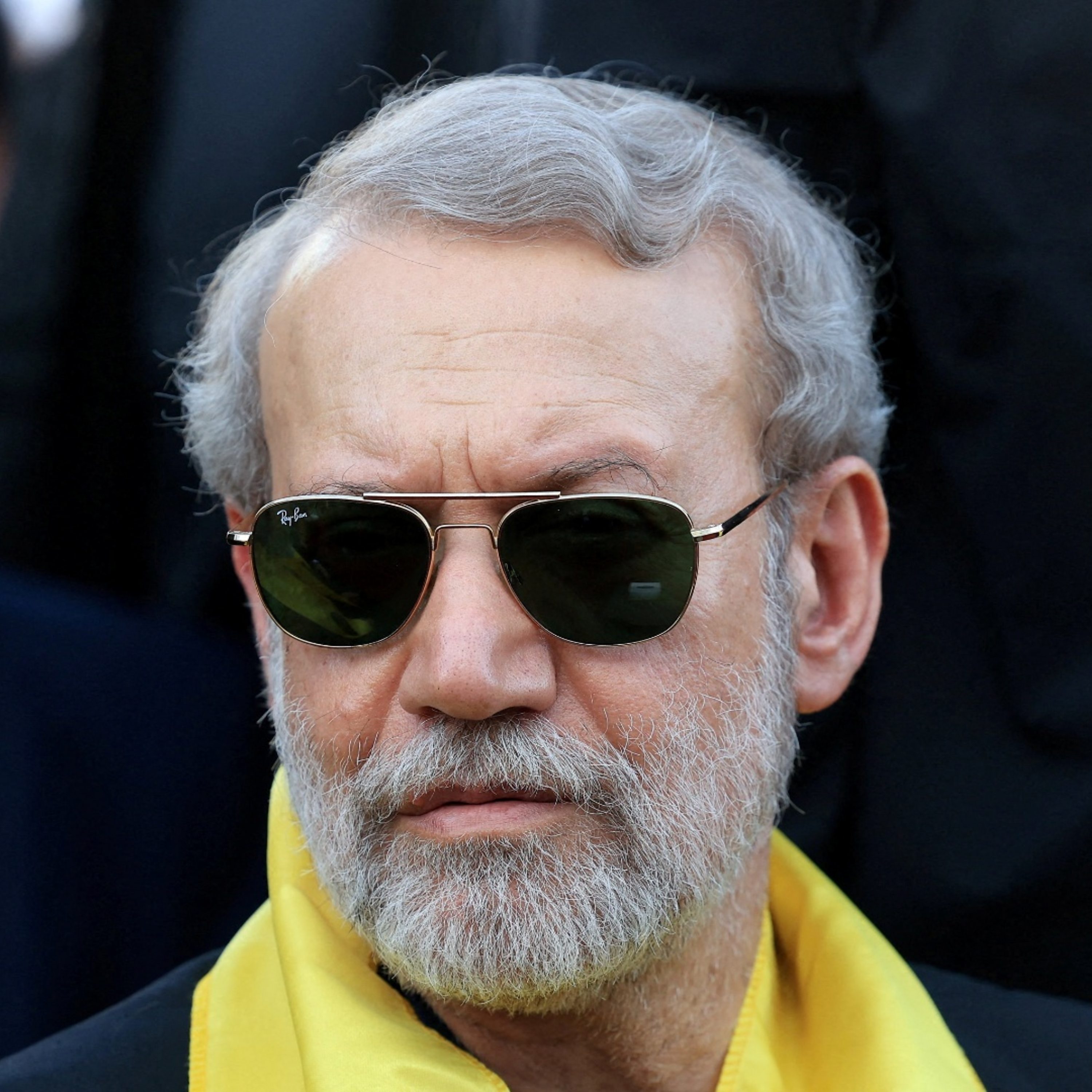
• Geopolitical Escalation in the Middle East: Israel claims to have eliminated a key Iranian figure, Ali Larijani, identified as a powerful player in Iran’s security apparatus. This action follows the reported death of the Iranian Supreme Leader, Ali Khamenei, and represents a significant escalation with potentially far-reaching implications for regional stability and the ongoing conflict dynamics.
• US Foreign Policy Dissent Emerges: Joe Kent, a senior US counter-terrorism official, resigned over the war in Iran, arguing that Iran posed no imminent threat. His public statement, which declared the war “a lie,” criticizes President Trump’s stance and highlights growing internal dissent within the US administration regarding foreign military engagements and threat assessments.
• The Complex Role of the Bassij: The Bassij, described as Iran’s paramilitary volunteer force, is detailed as a key instrument of state control, particularly for recruiting youth. The report suggests that the organization, alongside the Revolutionary Guard, plays a significant role in internal security and potentially in external operations, with its leadership also reportedly targeted.
• Venezuela’s Political Turmoil and Citizen Hopes: The episode touches on the US military operation against Venezuela and the subsequent cautious optimism for change. However, it underscores the persistent challenges of economic hardship and lack of basic services, with citizens expressing a desire for freedom, democracy, and an end to corruption, even as many face difficult choices about emigration.
• Contrasting Whale Song Recordings: Researchers have uncovered what is believed to be the earliest recorded whale song from 1949, offering a unique sonic snapshot of ocean life from a different era. This contrasts with more recent recordings, illustrating how human activity, particularly increased shipping noise, has altered the underwater soundscape and may be impacting marine communication.
• The Ethical Quandary of AI and Chemical Weapons: An AI firm, Anthropic, is seeking a chemical weapons expert to help prevent the misuse of its technology. This highlights the emerging ethical challenges of advanced AI, specifically the concern that sophisticated models could be exploited to generate dangerous information, necessitating proactive measures to ensure responsible development and deployment.
💡 Key Insights & Memorable Moments
• The Shadow of Iranian Power: The reported elimination of Ali Larijani reveals a hidden layer of power dynamics within Iran, suggesting that influential figures behind the scenes are as critical to the regime’s operation as the public leadership. The mention of him as a potential successor to Khamenei underscores his significance.
• “The War is a Lie”: Joe Kent’s stark declaration upon resigning signifies a profound ideological clash within the US, challenging the narrative and justification for military intervention. This quote is a powerful indicator of the internal debate and potential fracturing of consensus on foreign policy.
• The Long Arm of Geopolitics on Whales: The discovery of a 1949 whale song recording provides a poignant auditory counterpoint to modern human-dominated oceans. It highlights how increased noise pollution from shipping and industrial activity has fundamentally altered the acoustic environment for marine life, potentially impacting their behaviour and communication over decades.
• AI’s Double-Edged Sword: Anthropic’s proactive hiring of a chemical weapons expert underscores the inherent duality of powerful AI. While capable of immense benefit, its potential for misuse requires sophisticated foresight and ethical programming, demonstrating a growing awareness of the need for safety guardrails in AI development.
🎯 Way Forward
- Strengthen International Oversight of AI Development: Governments and international bodies must establish robust regulatory frameworks to monitor and control the development of advanced AI, particularly concerning dual-use capabilities like those related to chemical weapons. This matters for global security and preventing AI-driven proliferation risks.
- Prioritize Diplomatic Solutions in Geopolitical Conflicts: The escalating tensions highlighted by the Iran developments necessitate a renewed focus on diplomatic channels to de-escalate conflicts and prevent wider regional instability. This matters for averting potentially catastrophic outcomes and fostering dialogue.
- Invest in Understanding and Mitigating Anthropogenic Ocean Noise: Further research into the impact of human noise on marine ecosystems, including the analysis of historical soundscapes, is crucial for developing effective conservation strategies. This matters for protecting biodiversity and understanding the long-term health of our oceans.
- Foster Transparency and Open Dialogue within Administrations on Foreign Policy: The resignation of Joe Kent signals the importance of allowing diverse perspectives and critical assessments of foreign policy decisions to be voiced within government. This matters for ensuring well-considered and effective national security strategies.
- Develop Resilient Infrastructure and Support Systems in Vulnerable Nations: The situation in Venezuela highlights the urgent need for international support in building sustainable infrastructure and providing essential services, alongside fostering democratic processes. This matters for alleviating human suffering and promoting long-term stability.