
🎯 Core Theme & Purpose
This episode of the Global News podcast from BBC World Service provides a critical overview of escalating geopolitical tensions and their ripple effects on global economics and daily life. It delves into the conflict in the Middle East, its impact on oil shipments and regional stability, and explores the unlikely alliances forming in response. The podcast is essential listening for anyone seeking a nuanced understanding of international affairs, the intricate connections between global events, and the human cost of conflict.
📋 Detailed Content Breakdown
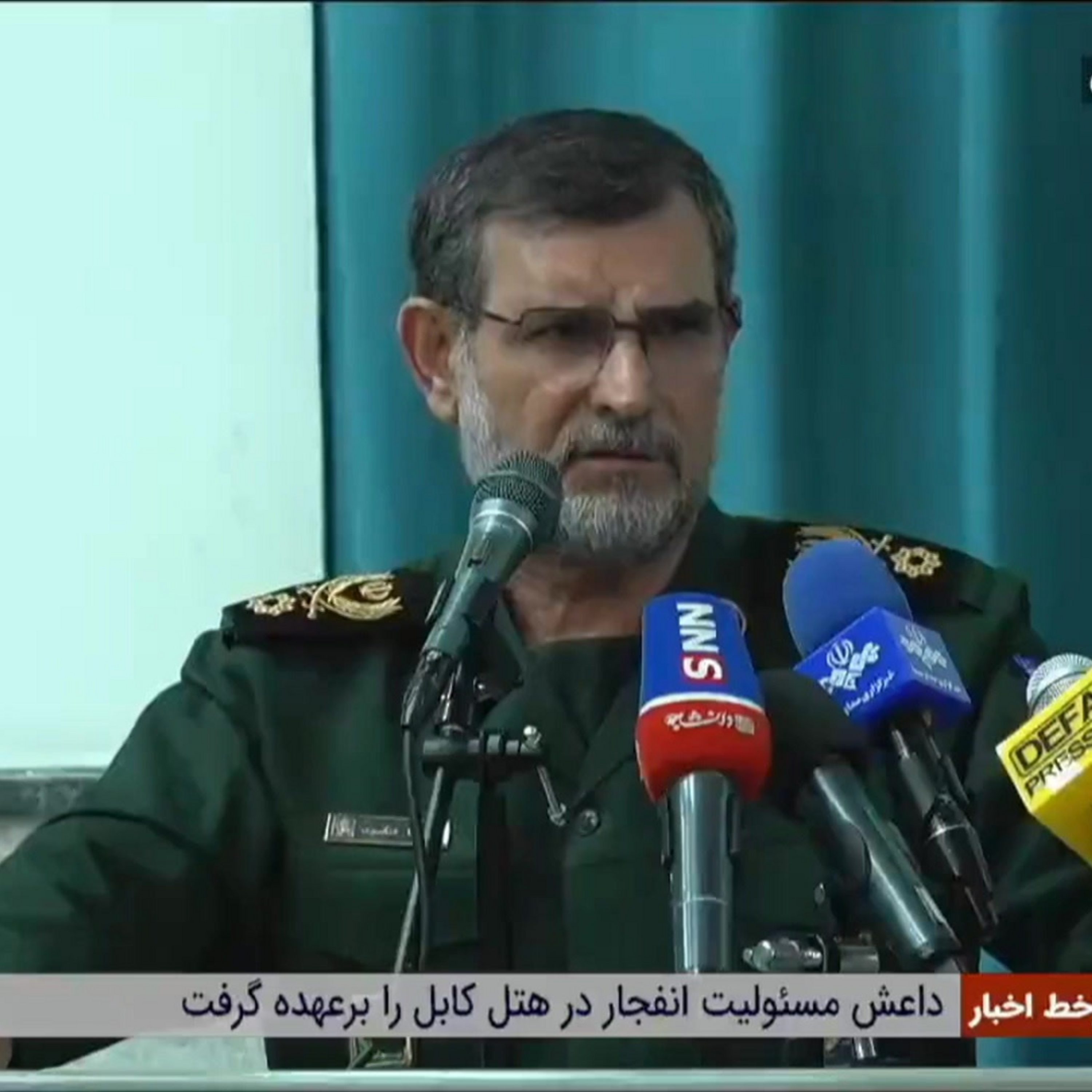
• Israel-Iran Escalation and Strait of Hormuz: The assassination of an Iranian naval chief, Ali Reza Tangsiri, is detailed, with Israel claiming responsibility and the US military stating it makes the region safer. This event is framed within the context of ongoing operations to disrupt the Strait of Hormuz, highlighting a significant escalation with potential implications for global oil supply. • Impact of Conflict on Global Oil Shipments: Disruptions to oil shipments due to the conflict are having far-reaching consequences. Countries as disparate as Kenya and the Philippines are experiencing the effects. Malaysia reports that Iran is allowing some tankers through the Strait of Hormuz but is charging significant fees, indicating a complex and economically driven aspect of the blockade. • Internal Situation in Iran: Despite US and Israeli airstrikes, the podcast illustrates the resilience of ordinary Iranians who are attempting to continue with their lives. However, there is a palpable sense of fear and uncertainty about the future, with some expressing pessimism about the war’s potential to end constructively. • Shifting Geopolitical Alliances and Diplomatic Maneuvers: The visit of Belarusian President Alexander Lukashenko to North Korea is highlighted as a move to showcase international friendships. The Gulf States, particularly the UAE, Bahrain, Saudi Arabia, and Kuwait, are showing a hardening of their stance, influenced by their own vulnerability to drone and missile attacks, and a growing desire to see the regime change in Iran. • Economic Repercussions in Africa and Asia: The war’s impact extends to fuel prices and economic stability in Africa and Asia. Zimbabwe is experiencing severe fuel price increases, leading to discussions about increasing ethanol blends and tax reductions. In the Philippines, transport workers are protesting soaring fuel costs, highlighting how global conflicts directly affect the cost of living and transportation for ordinary citizens. • Life Under Wartime Conditions in Tehran: The podcast provides a stark portrayal of daily life in Tehran amidst ongoing conflict. Reports of missile strikes, the destruction of homes, and the pervasive atmosphere of fear are conveyed through personal testimonies. The economic hardship is evident, with rising prices for basic necessities like food and an inability for many to afford essential services, leading to a sense of despair and a yearning for peace.
💡 Key Insights & Memorable Moments
• The Strategic Weaponization of Oil: Iran’s control over the Strait of Hormuz is presented not just as a military threat but as a significant economic lever. The charging of fees for passage indicates a calculated approach to monetize the disruption, adding another layer of complexity to the geopolitical standoff. • Unlikely Diplomatic Alignments: The meeting between Lukashenko and Kim Jong Un underscores a growing trend of nations seeking solidarity outside traditional Western alliances, driven by shared geopolitical circumstances and a desire for mutual support. • The Human Cost of Conflict Beyond the Battlefield: Testimonies from Iranians reveal the deep emotional and economic toll of the war, with individuals grappling with fear, loss, and the daily struggle for survival. Mariam, an artist, choosing to stay despite the danger to “observe and build,” exemplifies a complex blend of defiance and despair. • Aging as a Societal Mirror: The exhibition on aging in Japan and its contrasts with Western perspectives highlights how societies frame and value different stages of life. The shift from Darwin’s walking stick as a symbol of intellectualism to a fragile bone sculpture as a representation of vulnerability underscores evolving societal perceptions of aging.
🎯 Way Forward
- Diversify Energy Sources and Supply Chains: Nations heavily reliant on oil imports should accelerate investments in renewable energy and explore alternative, diversified supply routes to mitigate the impact of geopolitical disruptions in key chokepoints like the Strait of Hormuz.
- Strengthen International Diplomatic Channels for Conflict Resolution: Given the interconnectedness of global conflicts, there is an urgent need for robust and inclusive diplomatic frameworks that can de-escalate tensions, facilitate dialogue, and prevent the spread of conflict from regional flashpoints to global economic instability.
- Enhance Transparency and Regulation in Critical Industries: The sunscreen scandal in Australia highlights the necessity for stringent oversight and clear labeling in industries impacting public health and safety. Implementing stronger regulatory measures and independent verification processes can rebuild consumer trust and ensure product efficacy.
- Foster Societal Dialogue on Aging and Intergenerational Equity: As global populations age, societies must actively engage in discussions that challenge ageist stereotypes and promote intergenerational understanding. Exhibitions and cultural initiatives that highlight the value of lived experience and the contributions of older adults are crucial for fostering inclusive and supportive communities.
- Invest in Resilient Local Economies to Counter Global Shocks: The struggles faced by countries like the Philippines and Zimbabwe demonstrate the vulnerability of local economies to international crises. Investing in domestic production, supporting local transport infrastructure, and implementing targeted social safety nets can build resilience against external economic shocks.