
🎯 Core Theme & Purpose
This episode of the Global News podcast delves into critical geopolitical and social issues, offering a stark look at the consequences of conflict and political instability. It highlights the complexities of international relations, human rights concerns, and the impact of societal actions on individual lives. Listeners interested in in-depth analysis of current global affairs, particularly concerning the Middle East, Europe, and Africa, will find valuable insights.
📋 Detailed Content Breakdown
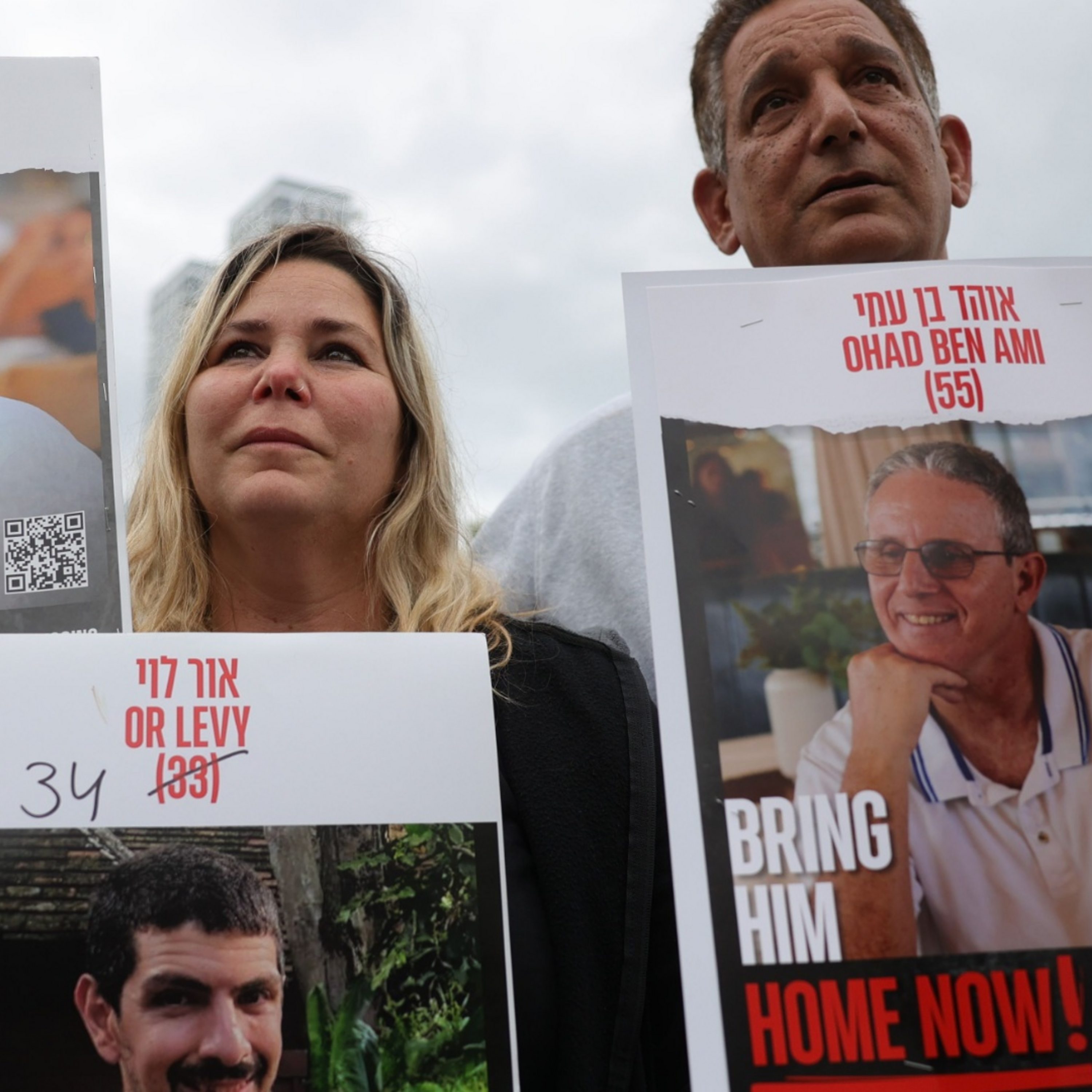
• Israel’s Death Penalty Law: Israel’s parliament has passed a new law permitting the death penalty for those convicted of involvement in the October 7th attacks. This move has drawn criticism from human rights groups concerned about fair trials and the potential for torture. The law also allows for public trials for those involved in the attacks and kidnappings.
• EU Sanctions on Israeli Settlers: The European Union has approved new sanctions targeting Israeli settlers accused of supporting extremist actions and violent colonization in the West Bank. This action comes amid rising concerns about increased attacks by settlers and excessive force used by the Israeli military.
• UK Political Turmoil: British Prime Minister Rishi Sunak faces growing pressure to resign following a significant electoral defeat. Despite this, he has stated his intention to remain in office, leading to a standoff with a substantial number of his party’s MPs demanding his departure. This internal party division highlights deep disagreements about the future direction of the UK government.
• Palestinian-Israeli Conflict and Legal Ramifications: Following the devastating October 7th attacks, Israel has enacted legislation allowing for the death penalty and public trials for those involved. Human rights organizations have voiced strong objections, citing concerns about fair legal processes and allegations of torture. This has led to comparisons with past trials, such as that of Adolf Eichmann.
• Conflict in Afghanistan and its Human Toll: The report details the deadliest single attack in Afghanistan in decades, highlighting the profound human cost of ongoing conflict. It touches on the loss of life, the challenges faced by survivors, and the impact on families. The podcast also touches on the issue of taliban governance and its relationship with neighboring countries like Pakistan.
• Violent Israeli Settler Actions in the West Bank: Disturbing accounts emerge of Israeli settlers desecrating a Palestinian man’s grave in the West Bank. This incident, occurring under the watch of Israeli soldiers, underscores the escalating tensions and the perceived impunity of settlers. The actions have been condemned as an attack on human dignity and the rule of law.
💡 Key Insights & Memorable Moments
- Art as an Anti-Aging Intervention: A surprising revelation is that engaging in artistic activities could significantly slow down the biological aging process. Research suggests that a younger epigenetic age is correlated with participation in the arts, offering a novel perspective on well-being beyond traditional health advice.
- The “Sense of Impunity” in Occupied Territories: The report from the West Bank highlights a pervasive feeling of impunity among Israeli settlers, who are depicted as acting without fear of consequence. This is illustrated by their actions at the grave site, suggesting a breakdown of accountability and a disregard for both the living and the deceased.
- The Unseen Impact of Political Leadership: The stark account of the UK political situation reveals how leadership can be perceived as “stubborn and reckless,” even when attempting to navigate crises. The internal dissent within the governing party indicates a significant disconnect between the leader’s resolve and the party’s willingness to continue under their direction.
- “Living Testimony to the Terror”: The personal accounts from victims of attacks in Afghanistan paint a harrowing picture of the human cost of conflict. The fragments of testimony, like the description of a body “cut into pieces,” serve as powerful and devastating reminders of the immediate and lasting trauma inflicted by violence.
🎯 Way Forward
- Strengthen International Scrutiny of Legal Processes in Conflict Zones: “Human rights groups have criticized the legislation, expressing concerns that trials will not be fair and that confessions may have been extracted through torture.” This highlights the need for independent international observation of legal proceedings related to conflict-related offenses to ensure due process and prevent abuses.
- Promote and Fund Arts Engagement as a Public Health Initiative: The research on art and aging suggests a proactive approach to promoting arts participation as a means of improving long-term health and well-being, potentially reducing healthcare burdens in the future.
- Implement Robust Accountability Mechanisms for Settler Violence: The disturbing accounts of settler actions in the West Bank necessitate concrete measures to hold individuals accountable for violence and property destruction, upholding the rule of law and protecting civilian lives.
- Foster Genuine Partnership Models in International Relations: France’s approach to Africa, aiming for mutually beneficial economic engagement rather than aid, offers a potential model for more equitable and sustainable international partnerships, moving away from historical colonial dynamics.
- Prioritize Comprehensive Independent Investigations into Conflict Incidents: The conflicting narratives surrounding the Afghanistan bombing incident underscore the critical need for thorough, impartial investigations to establish facts, provide closure for victims, and ensure accountability for those responsible for atrocities.