
🎯 Core Theme & Purpose
This episode delves into the resurgence of Europe’s night trains, exploring their revival after a period of decline. It examines the factors driving this comeback, from renewed interest to the underlying demand. The discussion is particularly relevant for travelers, policymakers, and anyone interested in sustainable transportation solutions.
📋 Detailed Content Breakdown
• The Decline and Revival of Night Trains: A decade ago, night trains in Europe were on the decline, with many routes on the verge of being discontinued. However, a renewed interest and growing demand have led to a significant revival, with night train services now making a comeback. This shift indicates a potential for these services to get back on track.
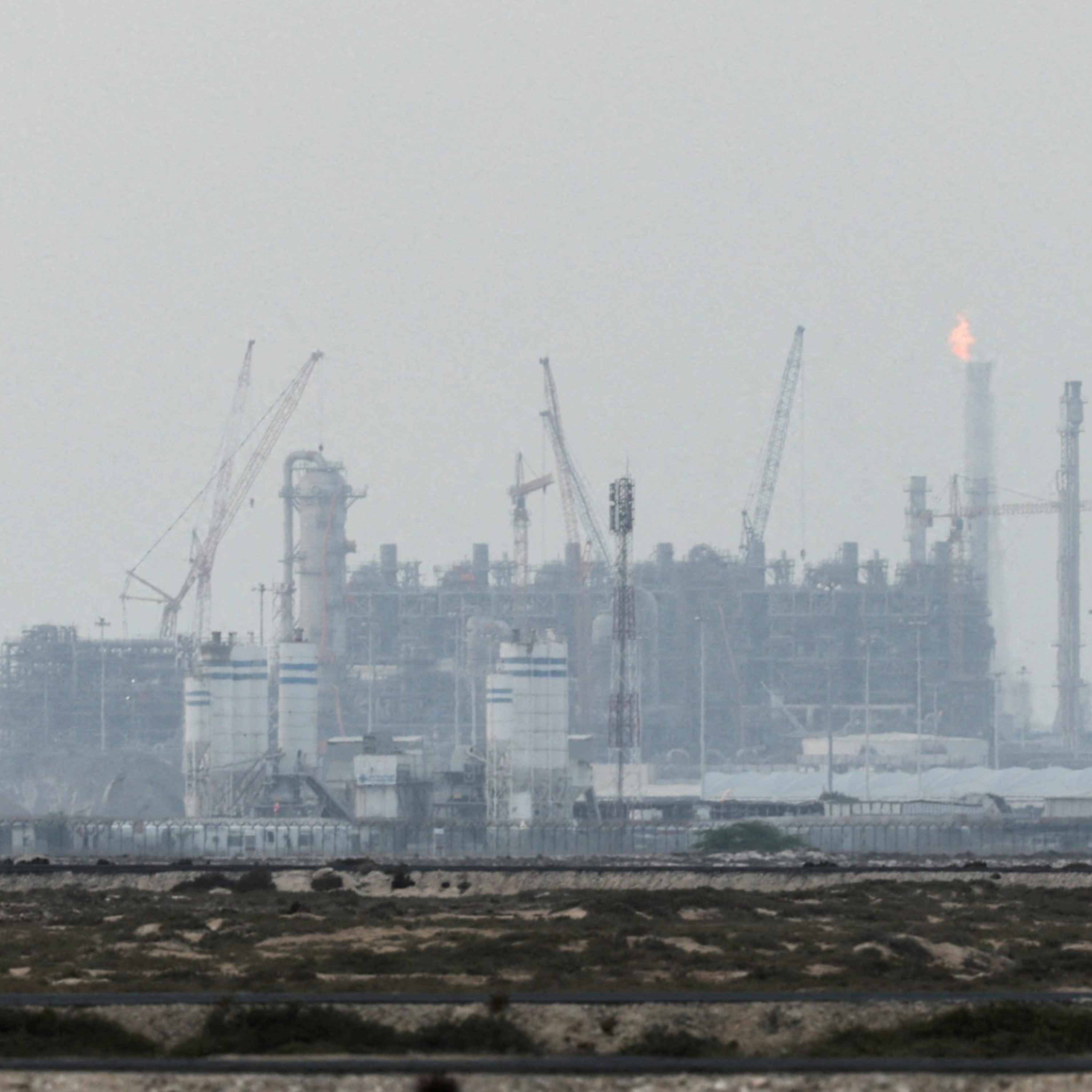
• Iran’s Escalating Tensions and Global Impact: The episode highlights Iran’s involvement in escalating tensions, including attacks on energy facilities across the Gulf following an Israeli strike on a major gas field. This has led to increased oil prices, impacting global economies, particularly in countries like China which rely heavily on oil imports. The potential for further escalation, including to nuclear levels, is a significant concern.
• The Shifting Landscape of the Oscars: The upcoming Oscars ceremony signifies a growing trend of international films being nominated, moving beyond Hollywood’s traditional dominance. This indicates a broader appreciation for global cinema and a diversification of what is considered culturally significant on a worldwide stage.
• Navigating the Job Market in the Age of AI: The challenges of job hunting are amplified by the rise of artificial intelligence. AI is being used to screen applications, creating a highly competitive environment where it’s difficult for candidates to stand out. This necessitates a strategic approach to applications and interviews, possibly leveraging AI tools themselves.
• Internal Divisions within the Trump Administration on Iran: The episode reveals significant disagreements within the Trump administration regarding the approach to Iran. A US counter-terrorism chief resigned, citing his inability to support the White House’s policy. This internal conflict raises questions about the coherence and effectiveness of the administration’s foreign policy decisions.
• The Human Cost of Conflict in Lebanon: An expanded Israeli offensive in Lebanon has led to a severe humanitarian crisis, with a significant number of casualties and widespread displacement. This conflict underscores the devastating consequences of escalating regional tensions and the urgent need for de-escalation and humanitarian aid.
💡 Key Insights & Memorable Moments
• Counterintuitive Trend: The revival of night trains in Europe, after years of decline, is a surprising counter-trend in the face of increased air travel and high-speed rail. • Geopolitical Ripple Effect: Iran’s actions and the resulting regional tensions have a tangible impact on global oil prices and international relations, affecting economies far beyond the immediate conflict zone. • AI in Recruitment Paradox: While AI aims to streamline hiring, it’s creating a “fast rejection” phenomenon, paradoxically making it harder for candidates to get noticed and highlighting the need for human connection in the process. • “It’s not about the destinations, it’s about the journey”: This underlying sentiment seems to be driving the renewed appeal of night trains, offering a more relaxed and sustainable travel experience. • “If the war escalates to nuclear level, it may trigger World War III.”: This stark warning highlights the gravity of the current geopolitical situation. • Fashion’s Cyclical Nature: The data-driven confirmation that fashion trends repeat approximately every 20 years provides a quantifiable insight into a previously subjective observation.
🎯 Way Forward
- Invest in and Expand Night Train Infrastructure: Governments and private operators should prioritize investment in modernizing and expanding night train networks across Europe to capitalize on the growing demand for sustainable and convenient travel.
- Promote AI-Assisted but Human-Centric Hiring: Companies should integrate AI tools into their recruitment processes strategically, using them for initial screening but ensuring human oversight for personalized evaluation and candidate engagement.
- Foster International Collaboration on Climate-Resilient Infrastructure: Given the impact of conflict on global energy markets, there’s a need for greater international cooperation in developing diversified and resilient energy infrastructure, reducing reliance on volatile regions.
- Encourage Dialogue and De-escalation in Geopolitically Sensitive Regions: Diplomatic efforts to de-escalate tensions in the Middle East are crucial to prevent further humanitarian crises and global economic instability.
- Integrate AI Ethics into Education and Training: As AI becomes more prevalent in job applications, educational institutions and training programs should equip individuals with the skills to navigate and leverage AI ethically, understanding its limitations and potential biases.