
🎯 Core Theme & Purpose
This episode delves into the multifaceted impacts of geopolitical conflicts and global events on diverse communities, with a particular focus on the Indian diaspora in the Gulf and the ripple effects of international tensions. It highlights the vulnerability of ordinary citizens, both in conflict zones and in regions affected by geopolitical shifts, and examines the challenges faced by Indian communities in maintaining safety and livelihoods abroad. Listeners interested in international relations, diaspora issues, and the human cost of global conflicts will find this episode particularly beneficial.
📋 Detailed Content Breakdown
-
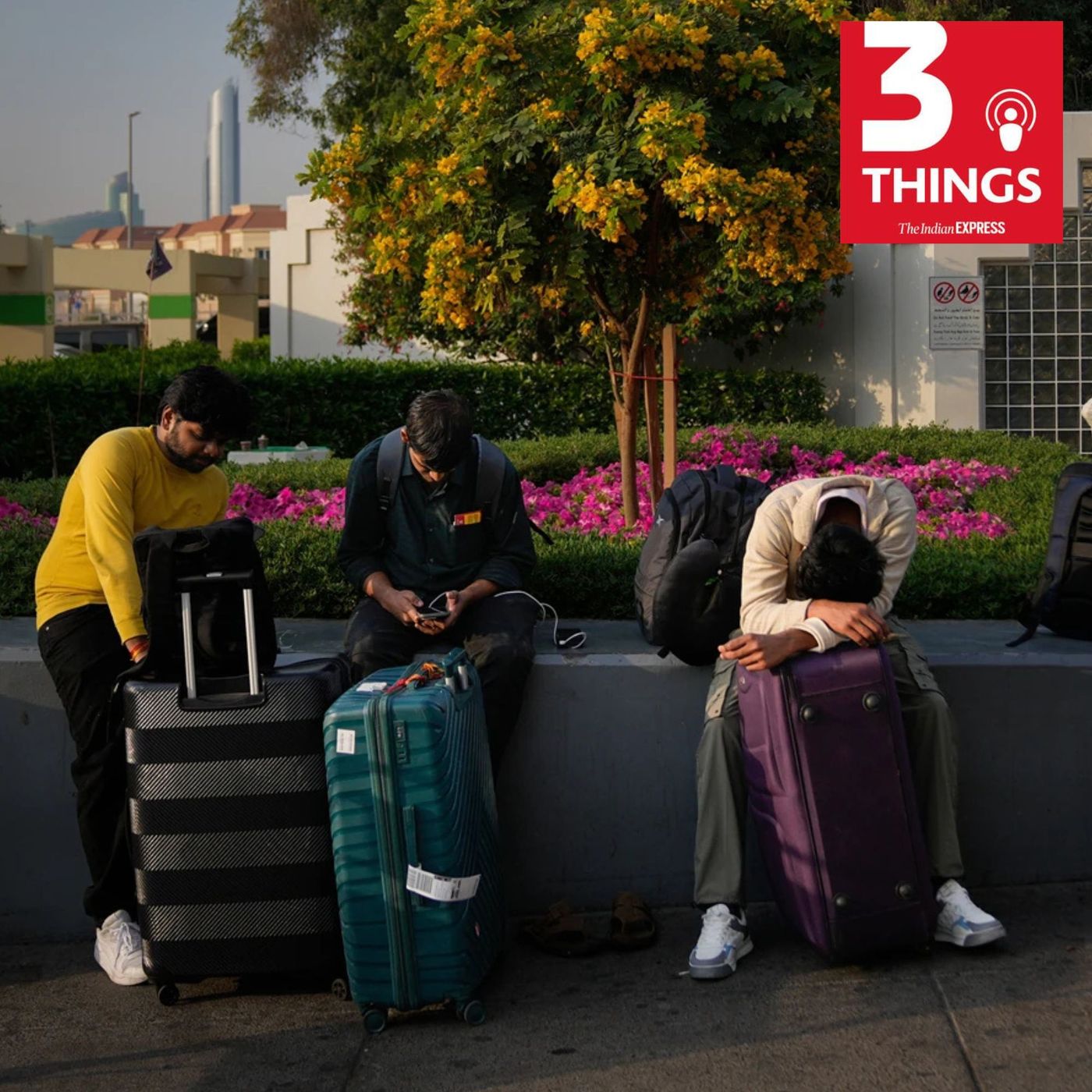
Indian Diaspora in the Gulf and Geopolitical Impact: The episode begins by addressing the significant Indian population living and working in Gulf countries (estimated at 8.8 million). It underscores how the ongoing conflict between Iran and the US, along with the Israel-Hamas war, directly affects these individuals, impacting their lives and livelihoods. The discussion points to the potential for collateral damage and the heightened sense of vulnerability within these expatriate communities.
-
The UAE and Saudi Arabia as Key Destinations: It is highlighted that the UAE and Saudi Arabia are the primary destinations for Indian migrants, with Indians forming a substantial percentage of the population in these nations (e.g., 35% in UAE, 21% in Kuwait). The episode notes the significant growth in the number of Indians in these regions over the past two decades, with a shift towards white-collar and entrepreneurial roles beyond traditional labor-intensive jobs. This demographic shift is seen as transforming the Indian community’s presence and influence.
-
Remittances and Economic Significance: The episode emphasizes the crucial role of remittances sent back by Indians working in the Gulf. It is stated that these remittances are a significant source of income for many families in India, with figures from 2012 showing over $14 billion sent from the UAE alone. The UAE and Saudi Arabia are identified as the largest remittance corridors, underscoring the economic interdependence between these nations and India.
-
Leptospirosis Outbreak in Punjab: The discussion shifts to a severe waterborne disease outbreak, leptospirosis, affecting the village of Hazra Singh Wala in Punjab’s Ferozepur district. Out of approximately 3600 villagers, over 200 presented symptoms, with 36 confirmed cases of leptospirosis, primarily among children and young adults. The health department’s response, including testing and medical camps, is detailed, pointing to contaminated water sources, including a overflowing village pond and potentially compromised sewer lines, as the likely cause.
-
Local Governance and Blame Game: The episode reveals a political dimension to the Punjab outbreak, with village leaders deflecting blame towards the school administration and questioning the transition of employment schemes like MGNREGA. This highlights potential systemic failures in infrastructure and governance, where administrative issues might have contributed to the unsanitary conditions leading to the outbreak. The slow response from authorities is also noted.
-
Iranian Warship Torpedoed Near Sri Lanka: In a significant international incident, an Iranian warship named Iris Tina was reportedly torpedoed by a US submarine off the coast of Sri Lanka. This event is framed as an escalation of tensions and a direct act of aggression, marking the first such attack on an enemy vessel by the US since World War II. The incident underscores the volatile geopolitical climate and the potential for such conflicts to impact maritime trade and regional stability.
💡 Key Insights & Memorable Moments
-
The Pervasive Impact of Geopolitics: A striking insight is how distant geopolitical conflicts, like the Iran-US tensions, have tangible and immediate consequences for millions of Indian expatriates in the Gulf, creating a sense of vulnerability and uncertainty.
-
Shifting Demographics and Roles of the Indian Diaspora: The evolution of the Indian diaspora in the Gulf is highlighted, moving beyond a solely labor-focused presence to include a growing number of white-collar professionals and entrepreneurs, significantly contributing to the region’s economy.
-
“A Collateral Issue”: The Human Cost of Conflict: The phrase “collateral issue” is used to describe how Indian communities abroad can become unintentionally affected by international conflicts, emphasizing their position as innocent bystanders caught in larger geopolitical struggles.
-
Systemic Failures in Public Health: The Punjab leptospirosis outbreak reveals deep-seated issues in local governance and public health infrastructure, where delayed responses and inadequate maintenance of water and sanitation systems can have severe, life-threatening consequences, particularly for children.
-
US Direct Military Action: The torpedoing of the Iranian warship “Iris Tina” by a US submarine is a significant revelation, marking a direct military engagement between the two nations, a notable escalation with potentially far-reaching implications for regional security.
-
Water Contamination as a Silent Threat: The detailed account of the leptospirosis outbreak in Punjab underscores the silent but deadly threat posed by contaminated water sources and inadequate sanitation, often exacerbated by governance failures.
🎯 Way Forward
- Strengthen Diplomatic Channels and Early Warning Systems: Proactively establish and maintain robust diplomatic communication channels between nations involved in geopolitical conflicts and those with significant diaspora populations in affected regions. This can help in early warning and mitigation efforts for expatriate communities. Why it matters: This proactive approach can prevent or minimize the collateral damage faced by diasporas during international crises.
- Enhance Public Health Infrastructure in Rural Areas: Invest significantly in improving water and sanitation infrastructure in rural Indian villages, particularly those prone to natural disasters or located near potential environmental hazards. This includes regular monitoring of water quality and timely repairs of sewage systems. Why it matters: This is crucial for preventing outbreaks of waterborne diseases and protecting vulnerable populations, especially children, from preventable illnesses.
- Promote Diversified Economic Opportunities for the Diaspora: While acknowledging the traditional roles, actively encourage and facilitate the diversification of economic opportunities for the Indian diaspora in the Gulf beyond basic labor, supporting entrepreneurship and skilled professions. Why it matters: This can lead to greater economic stability and integration for the diaspora, potentially reducing their vulnerability during geopolitical upheavals.
- Improve Crisis Communication and Response Protocols: Develop and implement clear, swift, and effective crisis communication and response protocols for both government agencies and local authorities during public health emergencies and international incidents impacting Indian citizens abroad. This includes timely information dissemination and coordinated rescue and relief efforts. Why it matters: Efficient communication and rapid response can save lives, manage public panic, and ensure adequate support for affected individuals.
- Foster International Cooperation on Maritime Security: Encourage collaborative efforts among nations to ensure the safety and security of maritime trade routes, especially in sensitive regions like the Indian Ocean. This includes transparent communication regarding military operations and adherence to international maritime laws. Why it matters: This can help de-escalate tensions, prevent accidental escalations, and ensure the free flow of global commerce.