
🎯 Core Theme & Purpose
This episode of “Three Things” from The Indian Express addresses two critical geopolitical and economic issues affecting India: the safety of Indian sailors in international waters amidst escalating conflicts and the government’s recent stimulus package aimed at stabilizing the Indian aviation sector. It offers a deep dive into the intricacies of these events, providing valuable context for policymakers, industry stakeholders, and the general public concerned about India’s economic and strategic interests.
📋 Detailed Content Breakdown
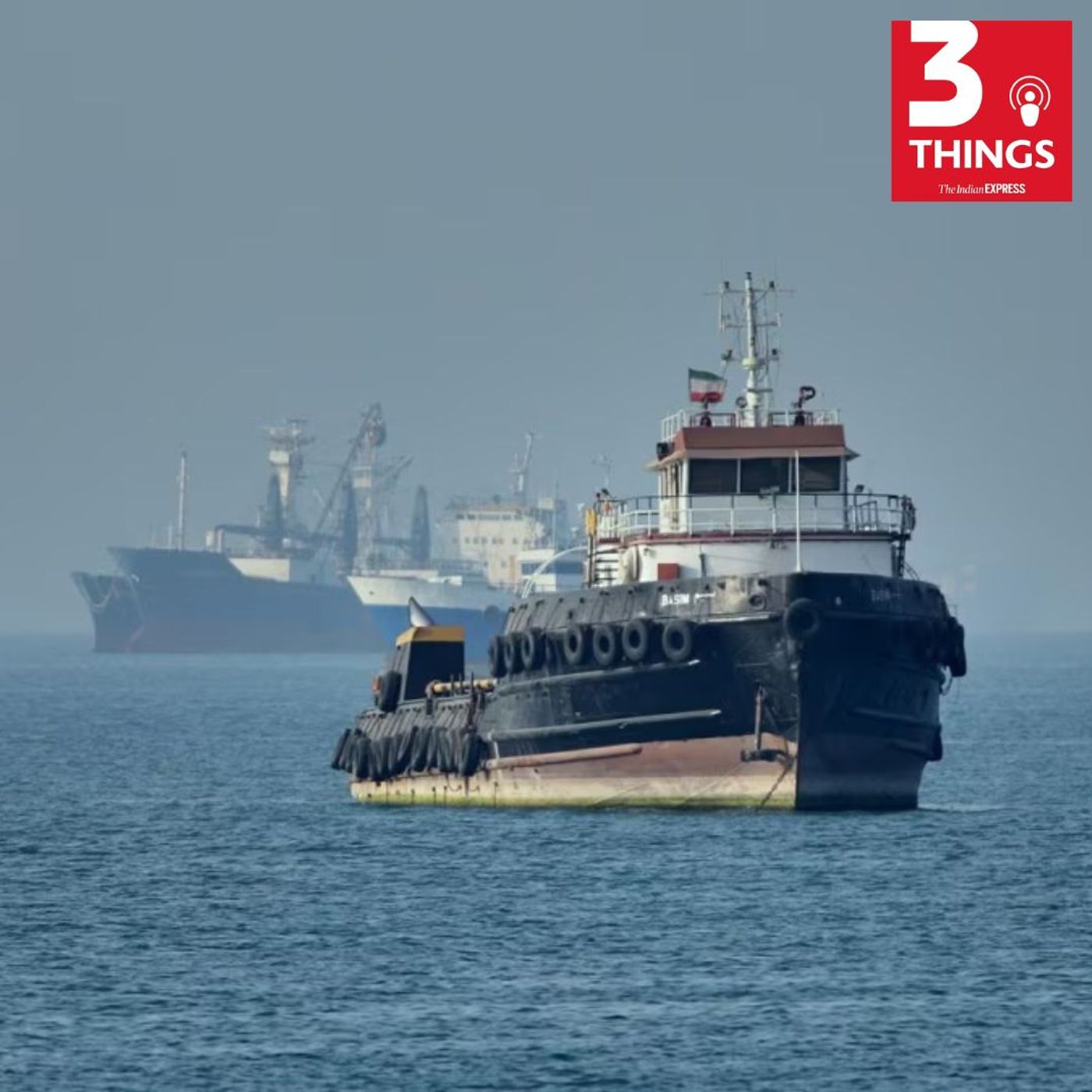
• Tragedy in the Strait of Hormuz: Three Indian sailors were killed in an attack on a commercial oil tanker near the Strait of Hormuz. The attack was carried out by US forces amidst ongoing tensions with Iran, highlighting the grave risks faced by Indian seafarers caught in international conflict zones. This incident underscores the vulnerability of maritime trade routes and the complex diplomatic challenges India faces when its citizens are impacted by the actions of global powers.
• US-Iran Tensions and Navigational Risks: The US has been attempting to blockade the Strait of Hormuz, a vital global oil chokepoint. This action has led to multiple encounters between US naval forces and vessels attempting to pass through, including the tanker carrying Indian sailors. The US justification for these attacks is to disrupt Iranian oil exports, but it inadvertently places neutral shipping and international crews in harm’s way.
• India’s Diplomatic Tightrope: The situation presents a diplomatic quandary for India, as it maintains strategic partnerships with the US while also seeking to protect its citizens and maintain stable international trade relations. India has been cautious in its official response, summoning the US acting ambassador to convey concerns without directly blaming the US. This approach reflects the delicate balance India must strike in managing its foreign policy amid complex global rivalries.
• Aviation Sector Stimulus Package: The Indian government has approved a ₹10,000 crore ($10 billion) package for public sector oil marketing companies to provide a one-time budgetary support for the aviation sector. This aims to stabilize jet fuel prices and help Indian airlines, which have been heavily impacted by rising fuel costs. The support is intended to enable airlines to offer stable fuel prices for up to three years.
• Mechanism of the Aviation Stimulus: The package functions as an advance, compensating oil marketing companies for losses incurred when domestic jet fuel prices remain fixed below market rates. If companies achieve over-recovery due to falling international prices, the excess will be returned to the government. This initiative seeks to buffer airlines from extreme price volatility and ensure their financial stability.
• Impact of Jet Fuel Price Hikes: Jet fuel prices have seen a dramatic surge, more than doubling in some instances since the conflict in Iran began. This has been a significant operational cost for airlines, forcing some, like Air India, to re-evaluate their international routes. The stimulus aims to alleviate this pressure, potentially preventing further fare hikes and route cuts, thus supporting the broader aviation ecosystem.
💡 Key Insights & Memorable Moments
- The Dual Threat to Indian Interests: The episode highlights a dual threat: Indian lives endangered by geopolitical escalations and Indian businesses strained by economic shocks. The US-Iran conflict directly impacts Indian sailors, while the aviation stimulus package addresses a critical economic vulnerability.
- India’s Balancing Act: The diplomatic response to the Strait of Hormuz incident underscores India’s challenge in navigating its relationships with major global powers. The government’s measured approach aims to protect national interests without alienating key allies or partners.
- Aviation Sector Lifeline: The ₹10,000 crore stimulus package is a significant intervention to stabilize the Indian aviation industry, which faces considerable headwinds from volatile jet fuel prices. The move signals the government’s commitment to supporting a sector vital for connectivity and economic growth.
- “We are not in a war with Iran. We are in a war with Iran’s revolutionary guard, and we are also in a war with the proxies Iran uses.” This statement, attributed to the US perspective discussed, clarifies the strategic intent behind the US actions, while also highlighting the collateral risk to neutral parties like Indian sailors.
🎯 Way Forward
- Strengthen Maritime Security Protocols: India should proactively engage with international bodies and key naval powers to establish clearer protocols for the safety of civilian vessels and crews transiting through conflict zones. This includes advocating for de-escalation and ensuring humanitarian considerations are prioritized.
- Why it matters: Protecting Indian lives and ensuring the unimpeded flow of international trade are paramount national interests.
- Diversify Energy Sourcing and Logistics: To mitigate risks associated with chokepoints like the Strait of Hormuz, India should accelerate efforts to diversify its energy import sources and explore alternative shipping routes.
- Why it matters: Reduces dependence on volatile regions and enhances energy security.
- Monitor and Adapt Aviation Stimulus Effectiveness: The government should closely monitor the impact of the ₹10,000 crore stimulus package, assessing its effectiveness in stabilizing jet fuel prices and supporting airline operations. Adjustments may be needed based on evolving market conditions and the geopolitical landscape.
- Why it matters: Ensures taxpayer money is used efficiently and achieves its intended objective of stabilizing the aviation sector.
- Foster International Cooperation on Maritime Safety: India should champion international initiatives aimed at enhancing maritime safety and security, particularly in sensitive regions like the Persian Gulf. This includes promoting transparent communication and de-confliction mechanisms among naval forces operating in these waters.
- Why it matters: Collective security arrangements are essential to prevent future tragedies and ensure global maritime stability.
- Explore Long-Term Fuel Hedging Strategies for Airlines: Beyond immediate stimulus, the government could facilitate or encourage airlines to adopt more robust long-term fuel hedging strategies. This would provide greater predictability in operational costs and reduce reliance on ad-hoc government support.
- Why it matters: Enhances the financial resilience and long-term sustainability of the Indian aviation industry.