
🎯 Core Theme & Purpose
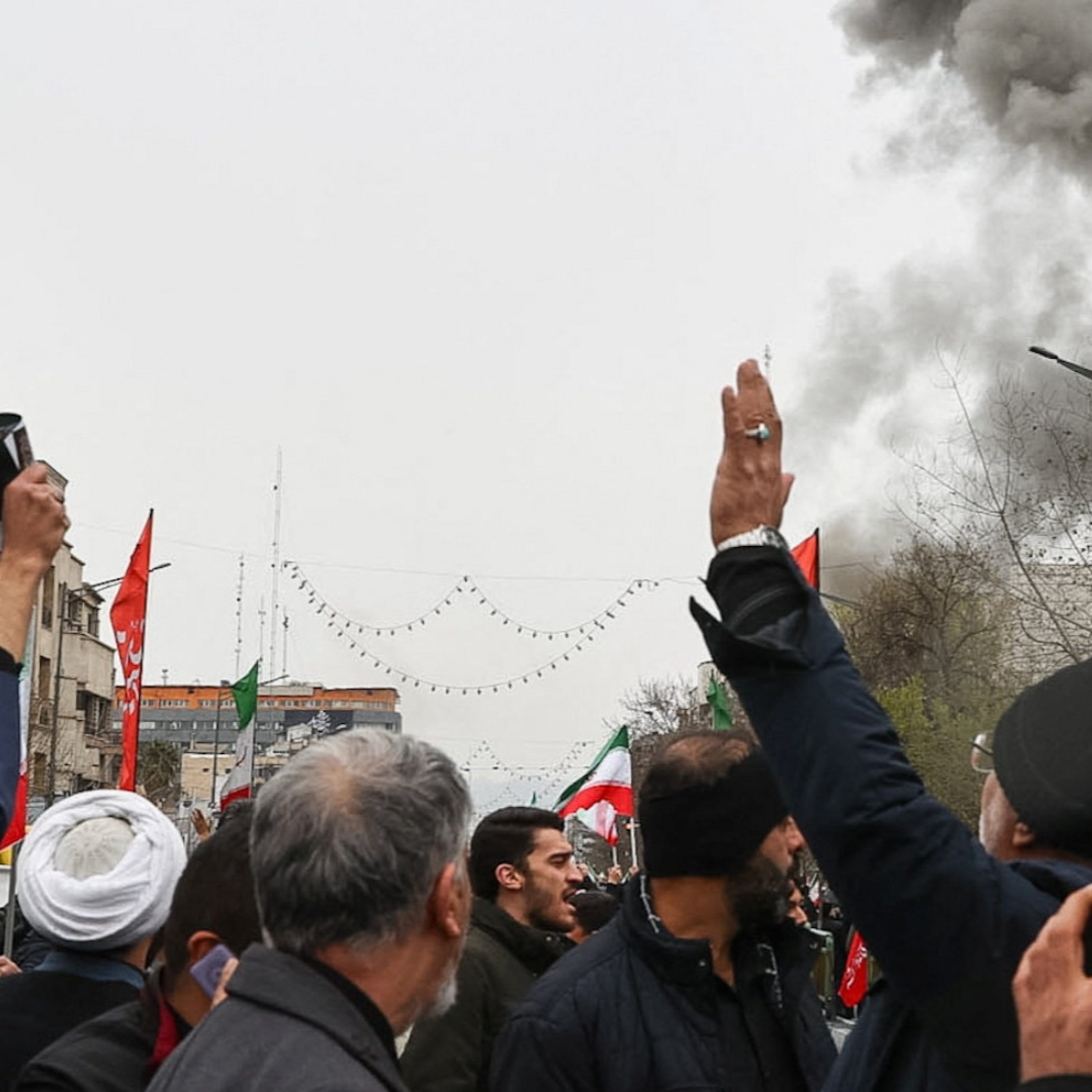
This episode delves into the escalating conflict in the Middle East, focusing on Iran’s use of low-cost drones and their impact on regional warfare. It also examines the broader geopolitical implications, including international responses and the potential for wider conflict. Listeners interested in current affairs, military strategy, and international relations will find this analysis particularly beneficial.
📋 Detailed Content Breakdown
• Iran’s Drone Warfare Strategy: Iran has been employing low-cost drones against targets across the Middle East, including hotels and oil tankers. This tactic is altering the nature of warfare, with drones becoming a significant factor in the conflict’s progression. Their use highlights a shift towards more accessible and versatile military capabilities.
• US Military Response and European Criticism: The US, through its Defense Secretary, has indicated plans for intensified strikes against Iran, aiming to dismantle its military capabilities. However, this strategy faces criticism in Europe, particularly regarding the timing and potential for escalating tensions. The US stance emphasizes a commitment to degrading Iran’s defense sector.
• Geopolitical Ramifications and Diplomacy: The conflict’s impact extends beyond direct military engagement, affecting global oil prices and creating a complex diplomatic landscape. The episode touches on the effectiveness of sanctions and the challenges of de-escalation amidst ongoing hostilities. International actors are grappling with balancing deterrence and diplomatic solutions.
• The Role of AI and Technology in Warfare: The use of advanced AI-powered drones raises questions about the future of military technology and its ethical implications. The podcast explores how these sophisticated tools are changing battlefield dynamics and the oversight required for their deployment. This highlights a critical area for future research and regulation.
• Lebanon’s Civilian Toll and Hezbollah’s Military Capacity: The conflict has had a devastating impact on Lebanese civilians, with significant casualties and displacement. Israel’s actions are aimed at diminishing Hezbollah’s military capabilities, a key player in the region. The analysis underscores the human cost of these regional power struggles.
💡 Key Insights & Memorable Moments
- The strategic deployment of low-cost drones by Iran signifies a democratization of advanced military technology, posing a new challenge to traditional powers.
- European nations are expressing caution regarding the US’s aggressive military posture towards Iran, suggesting a divergence in international strategy.
- The narrative surrounding the conflict is being shaped by visual media, with social media clips blending real footage with pop culture references to enhance engagement.
- “The United States is decimating the radical Iranian regime’s military in a way the world has never seen before.” - Pete Hegseth, US Defense Secretary
- The effectiveness of AI in toy applications is questioned, with concerns that they may not foster genuine human interaction or developmental benefits for young children.
🎯 Way Forward
- Develop International Norms for AI-Powered Toys: Establish clear ethical guidelines and regulatory frameworks for AI toys to ensure child safety and promote healthy development, mitigating potential for over-reliance or manipulation.
- Enhance Transparency in Drone Warfare Reporting: Implement stricter protocols for verifying and reporting on drone strikes to prevent misinformation and provide a clearer understanding of the conflict’s impact.
- Foster Diplomatic Engagement for De-escalation: Prioritize multilateral diplomatic efforts to address the root causes of the conflict and prevent further escalation, seeking pathways for peaceful resolution.
- Invest in Research on AI’s Societal Impact: Allocate resources to study the long-term effects of AI integration in various sectors, including warfare and child development, to anticipate and manage potential risks.
- Strengthen Oversight of Military Technology: Establish robust international oversight mechanisms for the development and deployment of autonomous weapons systems, including AI-powered drones, to ensure accountability and adherence to international law.