
🎯 Core Theme & Purpose
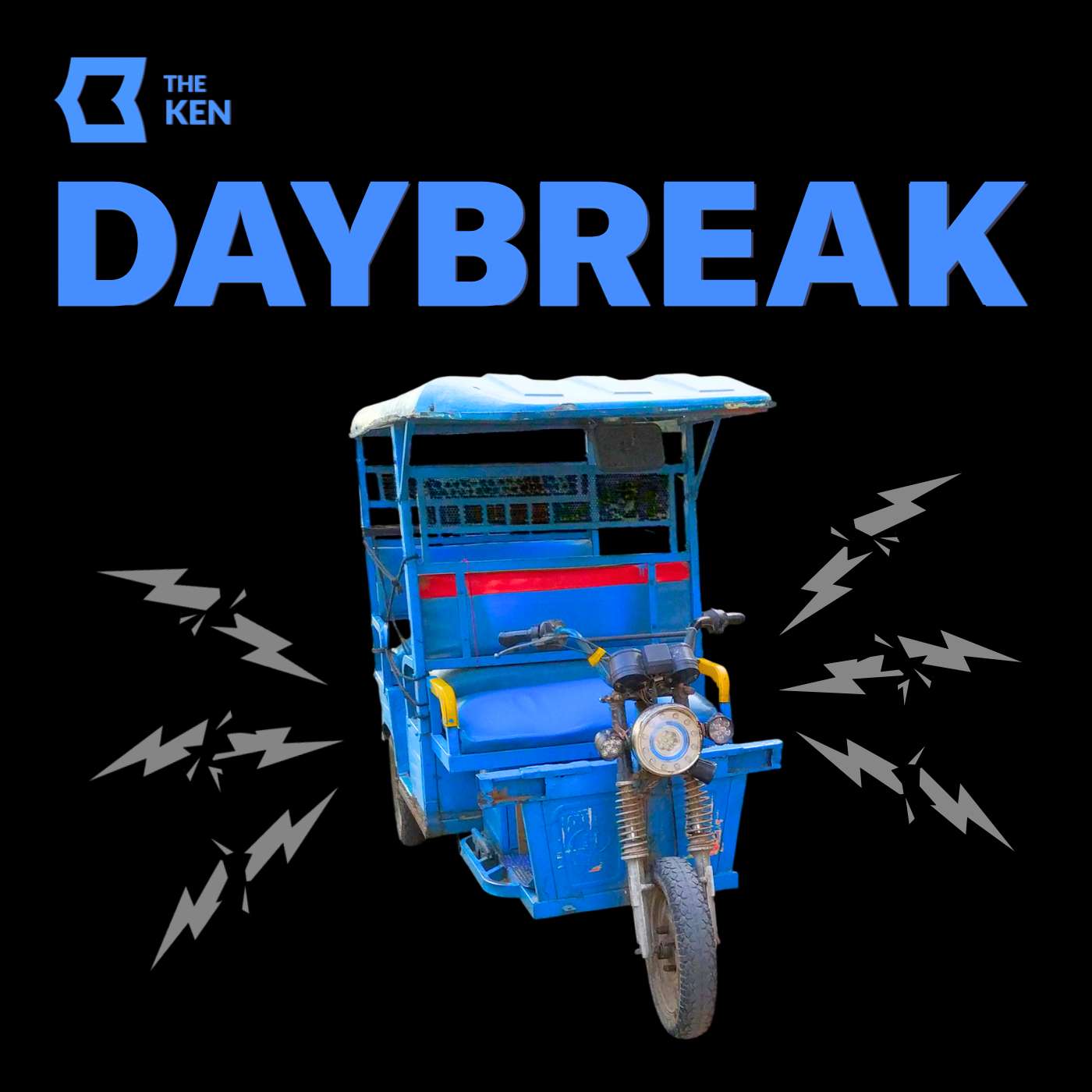
This analysis delves into a recent controversy surrounding the safety of electric rickshaw batteries in India, triggered by viral social media videos. It scrutinizes the government’s reactive ban and the underlying, systemic issues of an informal economy driven by cost-efficiency over safety. The insights are crucial for policymakers, industry players, and consumers concerned with the rapid growth and regulation of electric vehicle infrastructure.
📋 Detailed Content Breakdown
• The Viral Trigger: Viral videos depicted e-rickshaws suddenly stopping, causing distress and financial loss to drivers. These incidents were linked to a specific Chinese app, Bat BMS, used for diagnosing lithium battery health.
• Government Reaction and Its Limitations: The Indian government ordered app stores to remove e-rickshaw battery diagnostic apps. However, the apps remained accessible through direct downloads, rendering the ban largely ineffective and highlighting a superficial response to a deeper problem.
• The E-Rickshaw Ecosystem: India’s e-rickshaw market is the fastest-growing part of the EV sector, heavily reliant on imported Chinese lithium battery packs. These packs often use Bluetooth-enabled Battery Management Systems (BMS), a connection that is frequently left unsecured.
• The Core Security Flaw: The Bluetooth connection on these battery packs lacks passwords, allowing anyone within a 15-meter range to pair with the battery and potentially cut power. This vulnerability, known for years and documented on platforms like GitHub, was exploited for the viral videos.
• Economic Drivers Over Safety: The primary driver in this informal sector is the lowest possible cost. Manufacturers prioritize cheaper, unsecured Bluetooth BMS over secure, encrypted ones, as the latter increases production costs, making their products uncompetitive.
• A Cycle of Inaction: Decades of lax regulation in the informal sector mean that while engineers and coders identified vulnerabilities years ago, there was no governing body or clear responsibility to address them. The government’s move was a response to public outcry and the viral nature of the issue, rather than proactive regulation.
💡 Key Insights & Memorable Moments
• Counterintuitive Revelation: The app itself wasn’t the problem; it was merely a tool to exploit a pre-existing, widespread security flaw in the Bluetooth connectivity of e-rickshaw batteries. • Expert Opinion: “The app was basically just the key. And it’s a key that anyone with a bit of coding knowledge can copy.” This highlights the ease with which the vulnerability could be exploited. • Data Point: The security flaw in Bluetooth battery connections has been documented and discussed online by hobbyists for years. • Storytelling Moment: The analogy of two battery packs, one with a locked Bluetooth and another open, both powering rickshaws for the same distance, but the locked one being more expensive and thus losing in the market, encapsulates the core economic dilemma. • Hot Take: The government’s response was less about genuine safety and more about managing public perception and embarrassment after the viral videos.
🎯 Way Forward
- Mandatory Secure Bluetooth Protocols: Implement regulations requiring all e-rickshaw batteries to use encrypted and password-protected Bluetooth connections, akin to securing personal devices.
- Why it matters: This directly addresses the root cause of remote interference, significantly enhancing safety and preventing future exploitative incidents.
- Component Traceability and Certification: Establish a framework for tracking the origin and certification of critical e-rickshaw components, especially battery packs and BMS.
- Why it matters: This will allow for better oversight and accountability, ensuring that imported components meet minimum safety standards before entering the market.
- Incentivize Safety Features: Introduce government subsidies or tax breaks for manufacturers who adopt secure BMS and other safety-enhancing technologies in their battery packs.
- Why it matters: This will help bridge the cost gap between insecure and secure options, making safer batteries more economically viable for manufacturers and ultimately for drivers.
- Public Awareness Campaigns for Drivers: Educate e-rickshaw drivers and owners about the risks associated with unsecured battery connections and the importance of choosing certified, safer components.
- Why it matters: Informed consumers can exert market pressure, shifting demand towards safer options and discouraging the use of cheaper, vulnerable alternatives.
- Establish a Dedicated Regulatory Body: Create a specialized agency or empower an existing one to monitor and enforce safety standards for the rapidly growing electric vehicle sector, particularly in the informal e-rickshaw segment.
- Why it matters: Proactive regulation, rather than reactive responses to viral incidents, is essential for building a sustainable and safe EV ecosystem in India.