
🎯 Core Theme & Purpose
This episode delves into the multifaceted ways the United States has shaped the modern world, particularly in light of its 250th anniversary. It explores surprising and often overlooked influences, offering listeners insights into global dynamics and future trends. The discussion is highly beneficial for anyone interested in international relations, cultural impact, and the evolving landscape of entertainment.
📋 Detailed Content Breakdown
• The US Shaping the World: The episode marks the US’s 250th anniversary by examining its significant and often hidden impacts on the global stage. It aims to answer the question of how the US has shaped the world and what to expect in the coming years. This serves as a broad overview of American influence.
• The Rise of Micro-Dramas: China’s micro-drama sector has exploded in the last five years, reaching a value of $14 billion. These one-to-two-minute shows are gaining international viewers, prompting a discussion on whether they will become the dominant form of entertainment consumption. This highlights a significant shift in media trends driven by a specific market.
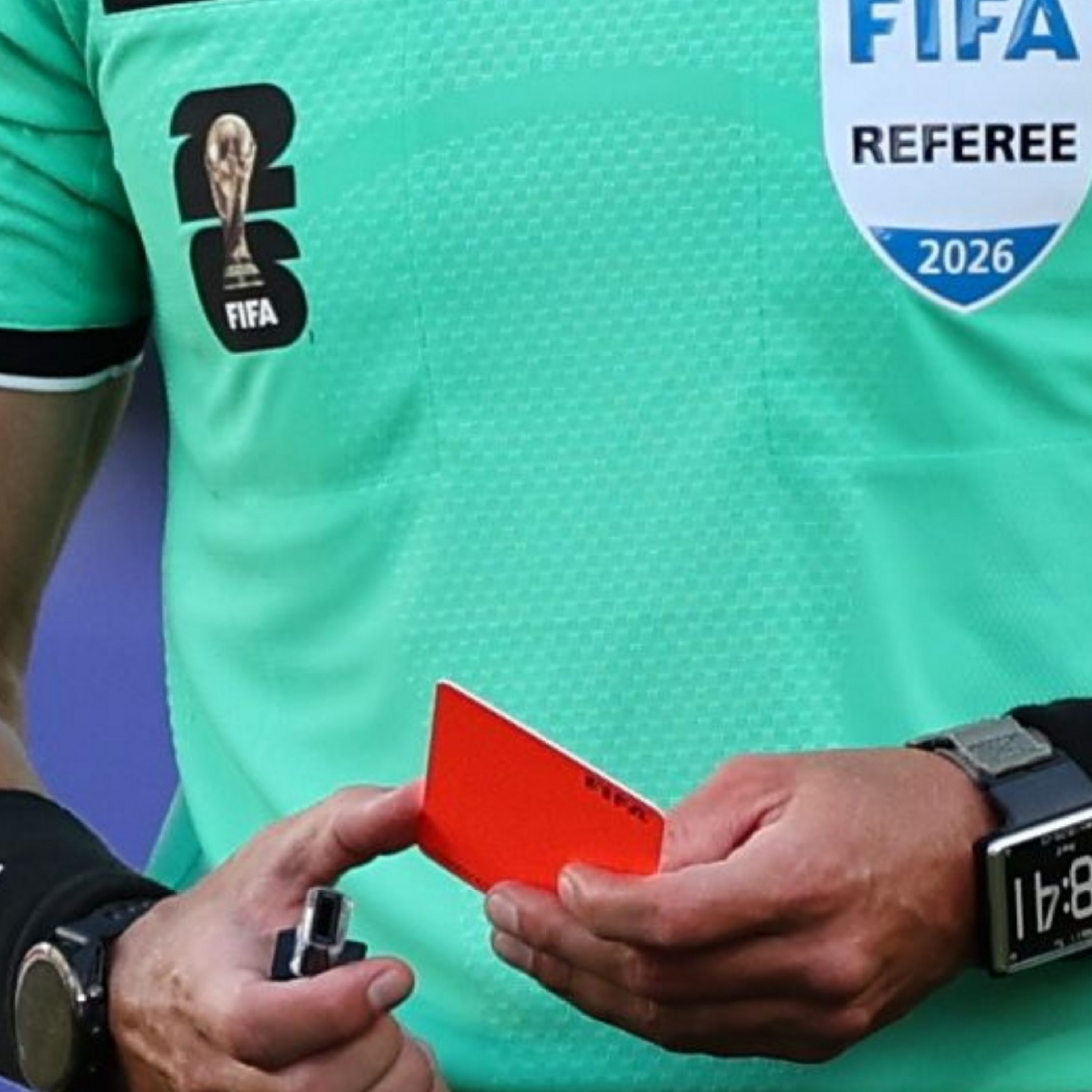
• Controversy in the World Cup and US Sports: A key discussion point is the US men’s national team player Folarin Balogun receiving a red card, which was overturned after President Trump lobbied FIFA. This incident highlights potential political interference in sports governance and the reactions of other nations, like Belgium, to such decisions. It also touches upon the differing penalties for similar offenses in the past, like Cristiano Ronaldo’s situation.
• Wildfires Rage Across Southern Europe: Europe is battling severe wildfires fueled by extreme heatwaves and strong winds. Countries like Portugal, Spain, France, and Greece are experiencing widespread devastation, leading to evacuations and a significant environmental crisis. The use of AI in predicting fire behavior and managing these events is also a critical aspect.
• Geopolitical Tensions in Israel: Israel’s government has clashed with its Supreme Court over broadcast regulations, raising concerns about a potential constitutional crisis. The government’s decision to defy a court ruling on the regulatory body’s operation, following resignations that left it without a quorum, signals a deepening political divide. This situation is further complicated by the influence of political factions and the upcoming elections.
• Space Debris and its Impact: The discussion touches upon the growing problem of space debris, with a focus on metallic objects found washed up in Australia. These objects, potentially from space rockets, raise questions about safety and regulation in space exploration. The scale of space debris is compared to its impact on events like the Tour de France, where safety measures are being enhanced.
💡 Key Insights & Memorable Moments
• Counterintuitive Influence of Micro-Dramas: The potential for short-form, narrative content from China to overtake traditional entertainment formats is a surprising revelation, indicating a significant global shift in media consumption habits.
• Political Interference in Sports: The example of President Trump’s alleged intervention in FIFA’s decision regarding Folarin Balogun’s red card highlights the complex interplay between politics and international sports bodies, questioning the impartiality of sporting regulations.
• Data Point on Space Debris: The comparison of the area affected by Southern European wildfires to “more than two Manhattans” effectively illustrates the immense scale of the environmental crisis.
• Quote on Women’s Vigilance in Nigeria: Peace Desmond, a vigilante in Jos, Nigeria, states, “The joy of me knowing that if I go out and come back, the next morning there won’t be any negative report…”. This quote powerfully encapsulates the driving force behind the women’s nightly patrols: the desire for safety and peace in their community.
• The US as a “Soft Power” Empire: Tistan Redmond describes the US’s influence as a “soft power empire,” built with the help of seemingly small metallic objects. This framing offers a unique perspective on how less obvious elements contribute to global influence.
🎯 Way Forward
- Invest in Short-Form Content Production: Given the rise of micro-dramas, creators and platforms should explore and invest in producing high-quality, engaging short-form narrative content to capture evolving audience preferences. This addresses the shift in entertainment consumption.
- Promote Transparency in Sports Governance: International sports federations should implement stricter policies and transparent procedures to prevent political interference, ensuring fair play and maintaining public trust in athletic competitions. This addresses the controversy surrounding sports decisions.
- Prioritize Climate Change Mitigation and Adaptation: Governments and international bodies must accelerate efforts to combat climate change, implementing robust strategies for wildfire prevention, early warning systems, and disaster response to protect communities and ecosystems. This addresses the critical environmental issue of wildfires.
- Strengthen Global Space Debris Regulation: International cooperation is needed to develop and enforce comprehensive regulations for space debris management, ensuring the sustainability of space exploration and mitigating potential risks from falling objects. This addresses the growing concern of space debris.
- Empower Local Communities in Security: Supporting and empowering local community-led security initiatives, like the women vigilantes in Jos, Nigeria, can be an effective strategy for improving safety and fostering community resilience in areas affected by insecurity. This addresses a practical approach to local security challenges.