
🎯 Core Theme & Purpose
This episode of the Global News podcast from the BBC World Service delves into complex geopolitical tensions, primarily focusing on the US-Iran conflict and its global implications. It offers a nuanced perspective on the mixed messaging from the US administration regarding Iran, exploring potential military strategies and their risks. The podcast is essential listening for those seeking in-depth analysis of international relations, military strategy, and the impact of sanctions on global affairs.
📋 Detailed Content Breakdown
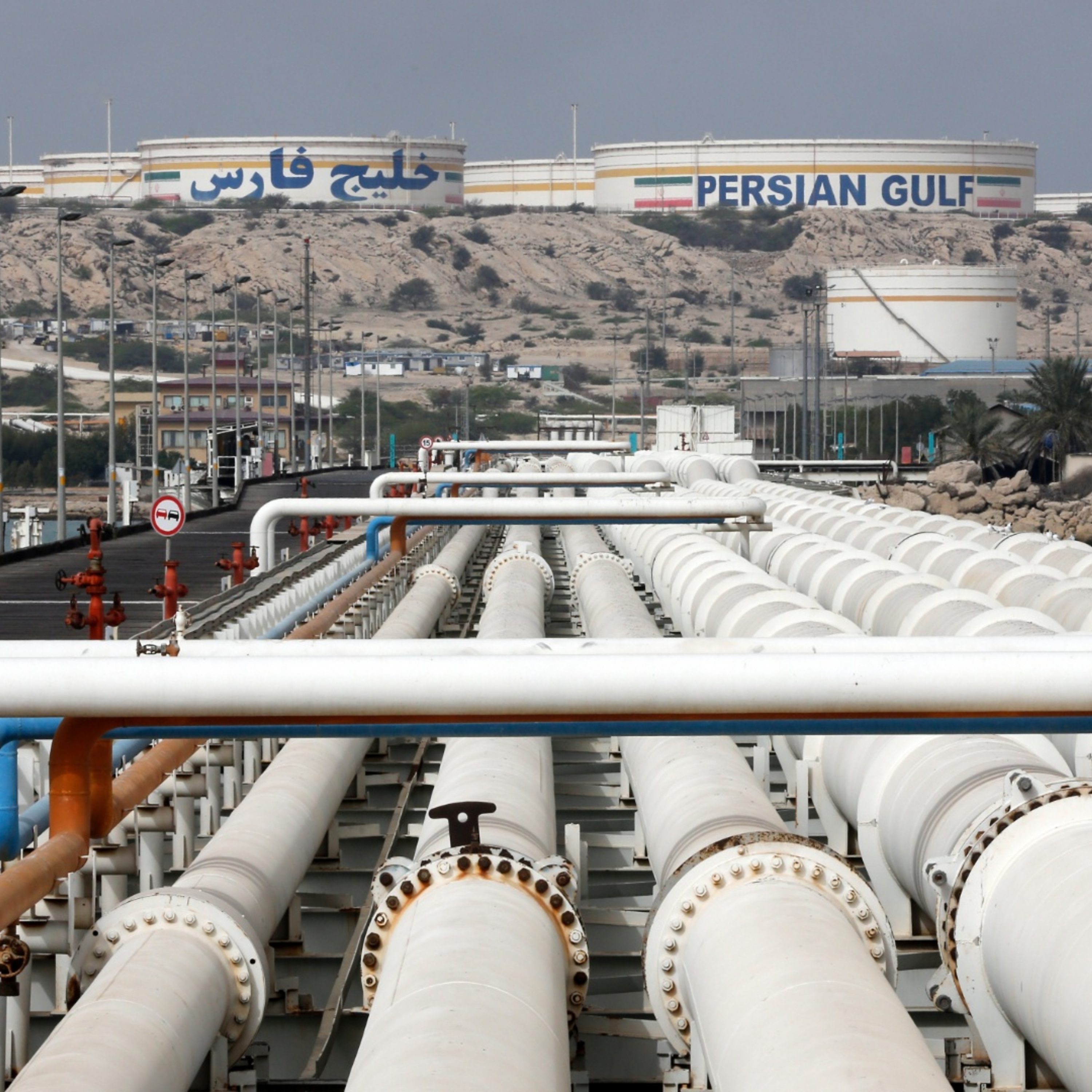
• US-Iran Tensions and Mixed Messaging: President Trump’s contradictory statements—threatening Iran’s energy infrastructure while simultaneously suggesting diplomatic negotiations—create uncertainty. This mixed approach aims to pressure Iran while leaving room for de-escalation, highlighting a complex strategic balancing act. The deployment of US troops in the region signals preparedness for potential ground operations, particularly targeting Iran’s key oil hub, Qish Island.
• The Strategic Importance of Qish Island: Iran’s main oil exporting hub, Qish Island, is identified as a critical target. The discussion highlights the significant logistical and military challenges associated with taking and holding such an island, including the necessity of substantial resupply operations and the risks involved in defending it against Iranian attacks.
• The Hidden Risks of Military Action: Military analysts caution against direct military intervention, emphasizing the potential for escalation and the difficulty of sustaining operations. The effectiveness of targeting oil infrastructure from the air is questioned, with suggestions that simpler, less risky methods could achieve the same objective. The psychological impact of a military show of force is also debated, with concerns about its long-term effectiveness versus the potential costs.
• Russia’s Support for Cuba: Russia has provided substantial oil shipments to Cuba, circumventing a US oil blockade that has been in place for months. This action underscores Russia’s strategic alignment with Cuba and its willingness to challenge US influence. The Kremlin views this as a duty to support its allies, highlighting the geopolitical dimensions of energy supply.
• The Impact of Conflict on Civilians: In Iran, the ongoing conflict has led to widespread destruction of infrastructure, impacting daily life and ordinary citizens. Electricity grids are damaged, and essential services are severely disrupted. Information flow is also heavily restricted due to near-total internet blackouts, making it difficult for Iranians to access external news and for the outside world to gauge the situation.
💡 Key Insights & Memorable Moments
- Strategic Ambiguity as a Tactic: The US administration’s use of “mixed messaging” towards Iran is presented not as indecision, but as a deliberate strategy to confuse and pressure adversaries while maintaining diplomatic options.
- The Real-World Impact of Sanctions: The podcast highlights how sanctions, particularly oil blockades, have a devastating effect on civilian life, impacting everything from electricity and water supplies to the functioning of hospitals and transportation.
- The Dangers of Unresolved Conflict: The prolonged conflict in Iran, marked by air strikes and the threat of ground operations, underscores the devastating human cost and the breakdown of normal societal functions.
- Night Owls and Mental Health: A surprising revelation from research suggests that “night owls” may be more predisposed to depression, anxiety, and irritability due to chronic sleep deprivation caused by societal schedules that favor early risers. This is linked to the disruption of the natural circadian rhythm.
- “Sovereign Citizen” Ideology and Violence: The case of Dezzi Freeman, a “sovereign citizen,” highlights the dangerous intersection of anti-government ideology and violence, leading to a significant manhunt and tragic loss of life. The investigation revealed Freeman’s extensive knowledge of the terrain and his use of sophisticated tactics.
- The Difficulty of Monetizing Stolen Art: Contrary to popular depictions in fiction, stolen art is rarely sold on the black market. It is more often used as collateral or for illicit trade within criminal organizations due to its high risk and lack of legitimate resale value.
- Bronze Age Shields as Tools of War: The return of a 3,000-year-old shield from Scotland offers insights into Bronze Age warfare. The shield’s damage suggests it was used in combat, pointing to a period of significant conflict and technological advancement in weaponry.
🎯 Way Forward
- Develop Clearer Communication Strategies: Governments involved in complex geopolitical situations should strive for clearer and more consistent communication to avoid misinterpretation and unintended escalation, especially in high-stakes conflicts. This matters for de-escalating tensions and fostering international stability.
- Prioritize Civilian Well-being in Sanctions Policy: International bodies should explore more targeted sanctions that minimize harm to civilian populations, ensuring that essential services and humanitarian aid are protected. This matters for upholding human rights and preventing humanitarian crises.
- Invest in Sleep Health Research and Education: Public health initiatives should promote awareness about the importance of sleep and the biological basis of chronotypes, offering practical advice for individuals whose natural rhythms clash with societal demands. This matters for improving mental and physical well-being.
- Strengthen International Cooperation Against Organized Art Crime: Law enforcement agencies worldwide need to enhance collaboration to track and recover stolen art, focusing on disrupting the criminal networks that facilitate these thefts. This matters for preserving cultural heritage and preventing illicit enrichment of criminal enterprises.
- Promote Dialogue and Reconciliation in Post-Conflict Societies: Efforts to transition from conflict, as seen in Myanmar, require inclusive dialogue and a commitment to civilian governance to foster genuine peace and stability. This matters for building sustainable democratic institutions and preventing further cycles of violence.