
🎯 Core Theme & Purpose
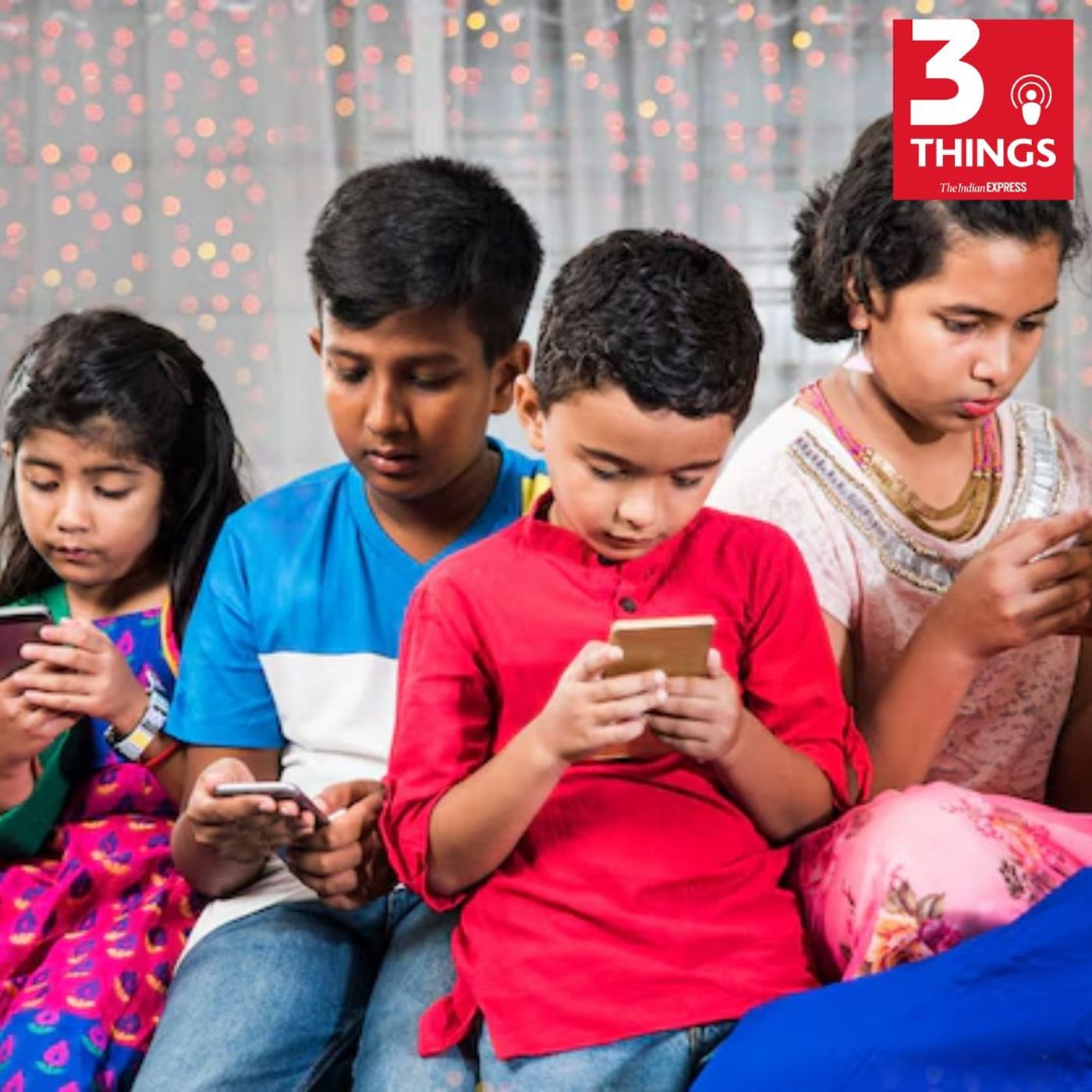
This episode delves into the escalating global concern over the impact of social media on children and adolescents, exploring regulatory efforts and their potential consequences. It examines the reasons behind proposed bans, international trends, and the complex challenges of implementation. The discussion is essential for policymakers, parents, educators, and anyone interested in the evolving digital landscape and its effects on youth mental health and societal well-being.
📋 Detailed Content Breakdown
• Global Trend of Social Media Bans for Minors: Calls for banning social media for children have gained traction worldwide, with Australia leading the way by enacting legislation to prohibit social media use for those under 16. This move has prompted other countries to consider similar measures. The episode highlights this growing international push for stricter digital regulation.
• Karnataka and Andhra Pradesh’s Proposed Bans: Taking a cue from international precedents, the Indian states of Karnataka and Andhra Pradesh are considering implementing their own social media bans for minors. These proposals stem from concerns about the adverse effects of excessive mobile usage on children’s well-being. The specific implementation details of these state-level bans are still being developed.
• Motivations Behind Restricting Youth Social Media Access: The primary driver for these restrictions is the documented link between heavy social media use among teenagers and issues like anxiety, depression, and low self-esteem. Concerns also extend to the exposure of children to various online harms, including cyberbullying, scams, and predatory behavior. Policy-makers aim to shield young users from these negative influences.
• Australia’s Regulatory Approach and Its Challenges: Australia’s ban on social media for those under 16, effective since December, requires platforms to implement age verification or face significant fines. However, reports suggest that enforcement has been mixed, with many teenagers finding ways to bypass these restrictions. This highlights the practical difficulties in effectively implementing such bans.
• The Interconnectedness of Fertilizers, Energy, and Geopolitics: India’s heavy reliance on imports for key fertilizer components like natural gas, ammonia, and rock phosphate makes its food security vulnerable to geopolitical disruptions. The conflict in Ukraine has already impacted supplies of natural gas and sulfur, while tensions in the Middle East pose risks to LNG and other critical imports, potentially affecting domestic fertilizer production and agricultural output.
💡 Key Insights & Memorable Moments
- “There is no reason our children should be exposed online to what is legally forbidden in the real world.” - This quote powerfully encapsulates the core argument for digital regulation, emphasizing the need for consistency between online and offline safety standards for minors.
- The “slippery slope” concern: Social media companies and some policymakers express apprehension that state-specific bans could lead to a fragmented and inconsistent regulatory environment, making compliance challenging and potentially creating loopholes.
- India’s unique fertilizer dependency: Despite being a major agricultural producer, India is a significant importer of crucial raw materials and intermediate products for fertilizer manufacturing, creating a critical supply chain vulnerability.
- The unintended consequences of geopolitical conflict: The war in Ukraine has had a ripple effect on global fertilizer markets, impacting everything from natural gas supply to the availability of key chemical components.
🎯 Way Forward
- Develop robust, multi-layered age verification systems: Beyond simple self-declaration or basic checks, platforms need sophisticated and adaptable systems to genuinely prevent underage access, potentially involving collaboration with governments and third-party verifiers. Why it matters: Effective verification is the cornerstone of any successful ban or restriction policy.
- Explore graduated access models: Instead of outright bans, consider phased or age-gated access to certain features, allowing younger users limited, supervised exposure while gradually increasing privileges as they mature. Why it matters: This acknowledges the potential benefits of social media for learning and connection while mitigating risks.
- Strengthen international cooperation on digital regulation: Given the global nature of social media, coordinated efforts between countries can create more consistent standards and prevent regulatory arbitrage. Why it matters: A fragmented approach is less effective and harder to enforce.
- Diversify India’s fertilizer supply chain: Reduce reliance on specific geopolitical regions for natural gas, ammonia, and rock phosphate through strategic partnerships, domestic production enhancements, and exploration of alternative nutrient sources. Why it matters: This builds resilience against future supply shocks and protects food security.
- Accelerate the tender process for the LIGO-India project: Expedite the awarding of the construction tender for the gravitational wave observatory to ensure India remains at the forefront of fundamental physics research and contributes significantly to global scientific endeavors. Why it matters: Timely completion of such ambitious projects is crucial for scientific advancement and national prestige.