
🎯 Core Theme & Purpose
This episode of the Global News podcast from the BBC World Service delves into pressing international issues, ranging from geopolitical tensions and human rights concerns to significant economic and historical discoveries. It provides listeners with a crucial overview of current global affairs, offering insights from experts on topics like international relations, human rights, and cultural heritage. This analysis will be most beneficial for individuals seeking a nuanced understanding of complex global events and their underlying factors.
📋 Detailed Content Breakdown
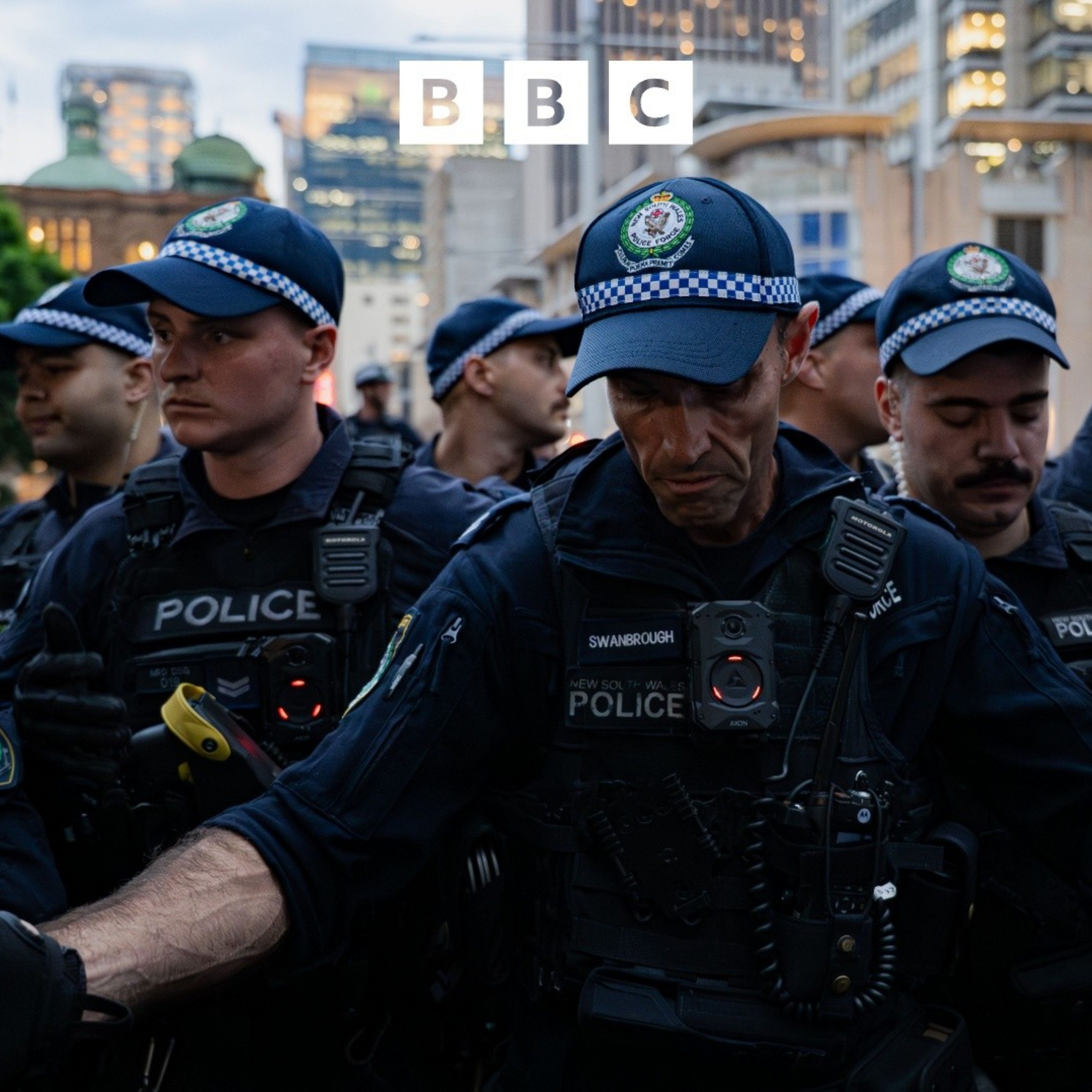
• Australian Police Defend Actions Amidst Protests: Following violent clashes between police and pro-Palestinian protesters during Israeli President Isaac Herzog’s visit, Australian police defended their actions. Video footage showed officers charging and punching protesters, leading to injuries, including a Member of Parliament. The police commissioner stated their aim was to maintain order and safety during a volatile situation, arguing that the protest’s direction of march was unapproved and potentially dangerous.
• Global Corruption Trends Highlighted by Transparency International: The watchdog group’s latest Corruption Perceptions Index reveals a worsening situation, with the US and UK receiving their lowest scores since the index began 30 years ago. The report points to blurred lines between public and private interests, crackdowns on civil society, and a decline in press freedom as contributing factors. The CEO emphasized that a lack of transparency and independent journalism exacerbates corruption.
• Concerns Over Kenyan Citizens Recruited for Ukraine War: Kenya has announced discussions with Russia regarding concerns that some Kenyan citizens are being recruited to fight in the war in Ukraine. The government has deemed these recruitment practices unacceptable and is seeking to protect its citizens and curb illegal activities. This situation highlights the far-reaching implications of the conflict and the challenges of regulating international recruitment.
• Ethiopia on the Brink of Renewed Conflict: Renewed clashes in Ethiopia’s Tigray region between the Ethiopian Federal Army and allied forces of the Tigray People’s Liberation Front (TPLF) raise fears of a return to widespread conflict. International bodies are calling for de-escalation and dialogue, emphasizing the severe humanitarian consequences of further violence, including displacement and civilian casualties. The complex political landscape and the presence of multiple armed groups contribute to the ongoing instability.
• Indonesia’s Plan to Deploy Troops to Gaza: Indonesia is preparing to send up to 8,000 soldiers to Gaza as part of a peacekeeping mission following a US-brokered peace deal. This initiative positions Indonesia as a key player in regional stability efforts, aiming to provide medical and engineering support. The decision has drawn criticism from some Islamic groups but is framed by the Indonesian government as a necessary step towards a two-state solution and regional peace.
• French President Calls for a Stronger, Autonomous Europe: Emmanuel Macron asserts that Europe must urgently establish itself as a global power, distinct from US and Chinese influence, to avoid being sidelined. He warns of increasing aggression and intimidation from the US and highlights the economic threat posed by China. Macron advocates for a more assertive European foreign policy and a unified approach to global challenges, emphasizing the need for the EU to grow and act independently.
• Ancient Greenland Voyages Shed Light on Arctic History: Archaeological evidence suggests early voyages to Greenland occurred over 4,000 years ago, indicating sophisticated seafaring skills and early human presence in the Arctic. These findings, including remnants of camps and tools, highlight the adaptability of early populations to harsh environments and suggest a long-standing connection to the land. This historical context is relevant to current debates about Greenland’s sovereignty and future.
• British Museum Acquires Rare Tudor Jewel: The British Museum has acquired a rare jewel from the time of Henry VIII and Catherine of Aragon for nearly $4.8 million. The pendant, featuring gold, diamonds, and enamel, symbolizes a proposed marriage alliance between England and France. This acquisition underscores the historical significance of the piece and the public’s support for preserving national heritage, offering a glimpse into Tudor-era diplomacy and symbolism.
💡 Key Insights & Memorable Moments
• The escalating tensions in Tigray, Ethiopia, alongside existing conflicts, underscore the fragility of peace in multiple regions simultaneously. • Transparency International’s findings on increasing global corruption serve as a stark warning, particularly the declining scores for established democracies like the US and UK, suggesting a systemic issue requiring urgent attention. • Emmanuel Macron’s call for Europe to become a genuine “world power” rather than a junior partner highlights a growing desire for strategic autonomy among some European leaders amidst shifting global dynamics. • The British Museum’s acquisition of a Tudor pendant for almost $5 million demonstrates the enduring value placed on historical artifacts and the public’s willingness to contribute to their preservation, connecting past diplomatic efforts to present-day cultural appreciation.
🎯 Way Forward
- Strengthen International Anti-Corruption Measures: Given the worsening trends identified by Transparency International, concerted global efforts are needed to enhance enforcement, promote transparency, and prosecute corrupt officials, which is crucial for global stability and equitable development.
- Prioritize Diplomatic De-escalation in Conflict Zones: The recurring cycles of violence in regions like Tigray emphasize the critical need for sustained diplomatic engagement, mediation, and the implementation of peace agreements to prevent further humanitarian crises.
- Foster European Strategic Autonomy: Macron’s call to action suggests that European nations should actively develop independent foreign policy and defense capabilities to navigate a complex geopolitical landscape, ensuring their influence and security.
- Support Heritage Preservation Through Public-Private Partnerships: The success of the British Museum’s fundraising for the Tudor pendant demonstrates the power of combining public and private sector contributions to acquire culturally significant items, ensuring their availability for public display and education.
- Address Illegal International Recruitment: Governments must implement stricter regulations and enforcement mechanisms to prevent the exploitation of citizens, particularly vulnerable populations, in international conflicts.