
🎯 Core Theme & Purpose
This episode delves into the potential cracking of India’s easy credit boom, analyzing the underlying risks and offering actionable advice for retail consumers. It explores the shift from traditional, paper-heavy lending to instant digital approvals and its implications. This analysis is crucial for individual borrowers navigating an increasingly complex and potentially volatile credit landscape.
📋 Detailed Content Breakdown
• The Rise of Easy Credit: A few years ago, obtaining loans involved significant paperwork and waiting times. Today, credit card approvals, personal loans, and buy-now-pay-later options are nearly instantaneous, making credit more accessible than ever. This surge in easy access is seen as beneficial for consumption and economic growth, bringing new borrowers into the formal financial system.
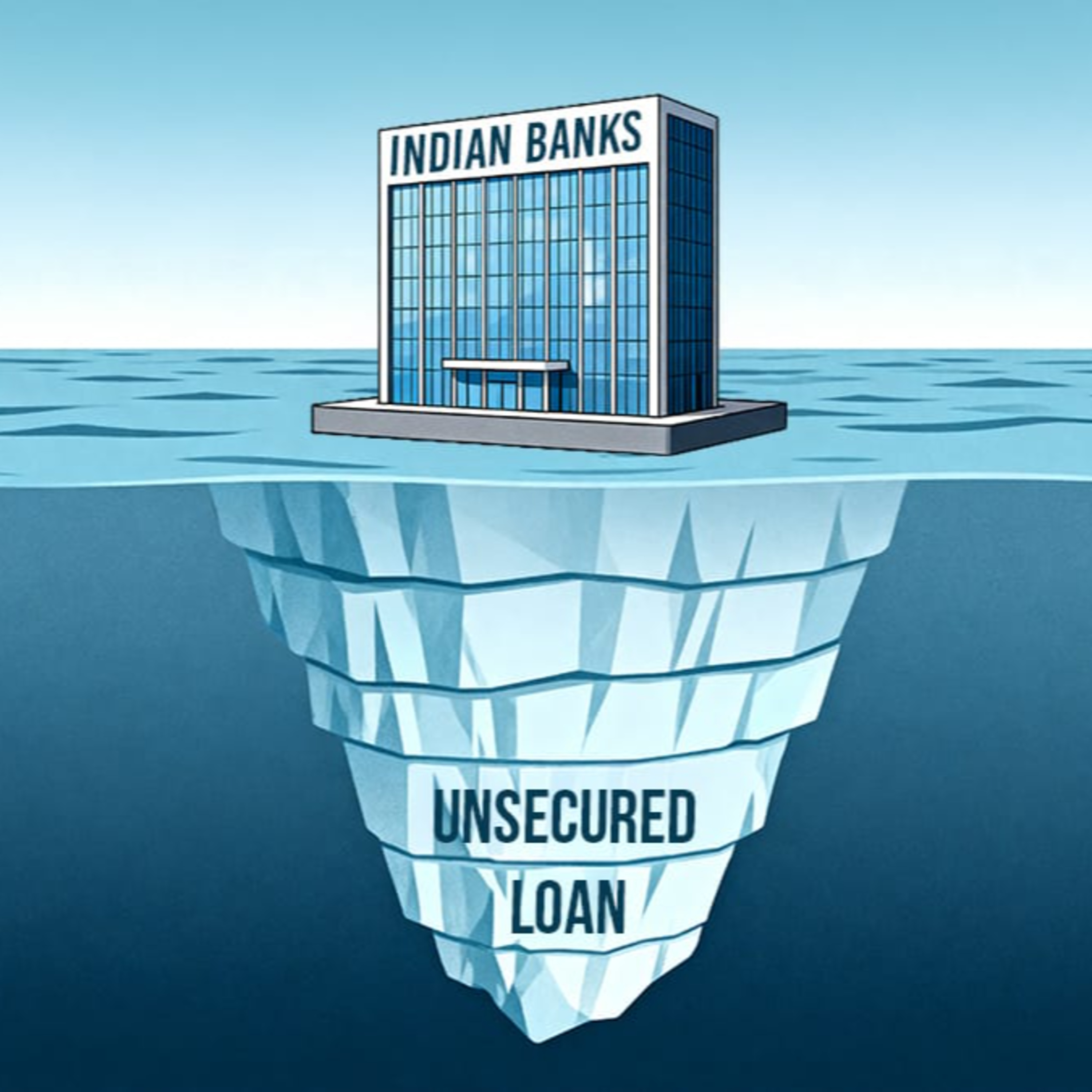
• Credit Cycle Dynamics and Emerging Risks: Credit cycles typically start stable with quick lending growth and low defaults. However, the risk in unsecured lending builds slowly over time, surfacing 18-36 months after loan disbursement. This is currently seen with credit card NPAs jumping significantly in FY22 and FY24, indicating that loans originated 2-3 years ago are now facing stress.
• Regulatory Responses and Lender Adjustments: The RBI has tightened norms by increasing risk weights on unsecured loans, requiring banks to hold more capital. In response, lenders are recalibrating their customer base, reducing rewards, adjusting fees, and phasing out high-risk users. The focus is shifting towards retaining high-spending, low-risk customers.
• Shifting Landscape of Credit Defaults: Unlike the past focus on large corporate defaults, the next phase of credit stress may stem from small household loans. While India’s banking system is more resilient due to better capital buffers and regulatory oversight, a rapid increase in household defaults could trigger a faster slowdown. This shift indicates increased sensitivity to borrower behavior changes.
• Strategies for Retail Consumers: Amidst these changes, consumers are advised to treat easy credit as a trap, not a privilege, using it only when necessary. Optimizing for existing benefits, evaluating accounts, and protecting one’s credit profile by paying on time and managing utilization are crucial. Building a solid emergency fund and reducing dependency on credit can provide flexibility during tightening credit conditions.
💡 Key Insights & Memorable Moments
• The current credit landscape represents a significant shift from paper-heavy processes to near-instant digital approvals, altering how consumers access funds. • Unsecured loan risks don’t manifest immediately; they typically emerge 18-36 months post-disbursement, meaning current issues stem from loans taken 2-3 years ago. • While the banking system is more robust than in the past, the nature of risk is evolving from corporate defaults to potential household loan stress. • “The winners are not the ones who borrow the most, they’re the ones who borrow only when they need to.” This highlights the importance of necessity over convenience in credit utilization.
🎯 Way Forward
- Treat Credit as a Tool, Not a Right: Only use easily accessible credit when genuinely necessary, resisting the temptation to over-leverage just because it’s available. This prevents falling into debt traps when lending conditions tighten.
- Proactively Audit Your Credit Portfolio: Regularly review your credit cards and loans. Keep accounts that offer significant value and benefits, and consider closing or consolidating those that are costly or offer little return.
- Prioritize Credit Health: Maintain a strong credit score by consistently paying bills on time and keeping credit utilization low. This ensures favorable terms and access to credit during periods of increased lender selectivity.
- Build a Financial Safety Net: Establish a robust emergency fund to cover unexpected expenses. Reducing reliance on credit provides crucial flexibility and resilience when lending tightens or interest rates rise.
- Stay Informed and Adapt: Continuously monitor economic indicators and regulatory changes affecting credit. Being aware of potential shifts in lending practices allows for timely adjustments to personal financial strategies.