
🎯 Core Theme & Purpose
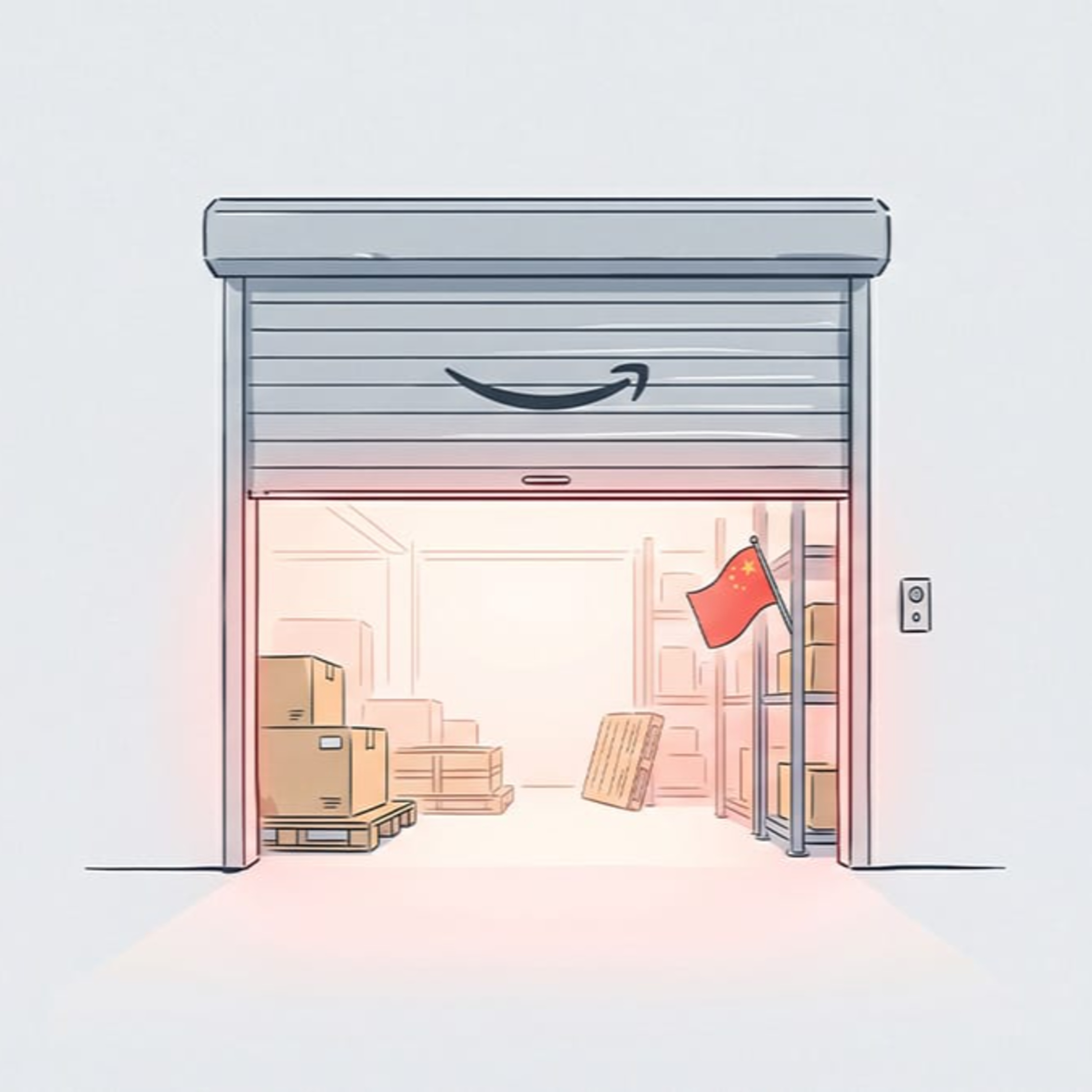
This episode delves into Amazon’s strategic re-entry into China, not as a direct consumer-facing platform but by establishing a global warehousing hub. It offers a unique perspective on how Amazon is pivoting to support Chinese manufacturers in reaching global markets, moving beyond its previous failed attempts to win over Chinese consumers. This analysis is particularly valuable for manufacturers, e-commerce businesses, and anyone interested in the evolving dynamics of global supply chains and international e-commerce strategies.
📋 Detailed Content Breakdown
• Amazon’s Strategic Shift in China: After largely withdrawing from China’s consumer market, Amazon has quietly launched a global warehousing hub in the country. This move signifies a pivot from competing for Chinese consumers to becoming a crucial logistics partner for Chinese manufacturers looking to export. • The Rise of Chinese Manufacturers on Global Platforms: For years, Chinese manufacturers have dominated platforms like Amazon globally. While local e-commerce giants like Alibaba and JD.com already have established ecosystems in China, Amazon provides a gateway to international markets. • Shifting Logistics Landscape: Beyond DDU (De Minimis): The episode highlights how new platforms like Temu and Shein are leveraging direct factory-to-consumer models. This is facilitated by Amazon’s new strategy, which moves away from traditional bulk international shipping towards a model where goods are stored locally and shipped only when ordered. • Amazon’s Value Proposition: Cost and Efficiency: By establishing warehousing hubs in China, Amazon significantly reduces storage costs for manufacturers, an estimated 45% reduction compared to storing goods in overseas fulfillment centers. This allows for more efficient inventory management and faster delivery times. • Leveraging the US Market and Logistics Network: Amazon’s existing robust logistics network in the US is a key advantage. By linking Chinese factories directly to this network, Amazon offers a blend of cost-effective sourcing and reliable delivery, a combination that is hard for manufacturers to replicate elsewhere. • The New Battlefield: Seller Mindshare: Amazon’s new strategy is not about winning Chinese consumers but about capturing the minds of Chinese sellers. By controlling the journey from factory floor to front door with integrated logistics, Amazon makes it difficult for manufacturers to consider alternative platforms.
💡 Key Insights & Memorable Moments
• “Amazon is not trying to build a storefront; it is building infrastructure.” This statement captures the essence of Amazon’s new strategy – focusing on the foundational logistics rather than the consumer-facing interface. • The significant cost savings for manufacturers: Amazon’s new warehousing model offers an estimated 45% reduction in storage costs for Chinese sellers compared to using overseas fulfillment centers. • The shift from “Where to sell?” to “Who controls the journey?”: The critical question for manufacturers is no longer just about finding a marketplace but about who can manage the entire supply chain efficiently from production to delivery. • The rollback of De Minimis rules: The phasing out of lenient import rules for low-value packages is a significant factor pushing manufacturers to seek more integrated and cost-effective solutions like Amazon’s new warehousing strategy.
🎯 Way Forward
- Manufacturers should explore Amazon’s new Global Warehousing Hubs: This initiative offers substantial cost savings and logistical advantages for reaching international markets, making it a compelling alternative to traditional shipping methods.
- Businesses should re-evaluate their international logistics strategies: The rise of direct factory-to-consumer models and integrated warehousing signifies a major shift. Companies need to adapt to stay competitive.
- Stay informed about evolving trade policies: Changes in regulations like the De Minimis rule directly impact e-commerce profitability and necessitate strategic adjustments in supply chain management.
- Consider the total cost of ownership, not just initial shipping fees: Amazon’s model highlights the importance of factoring in all costs, from warehousing to last-mile delivery, for a true understanding of international market entry expenses.
- Diversify sales channels while optimizing core logistics: While Amazon’s new approach is powerful, exploring platforms like Temu and Shein that also leverage efficient logistics can provide a more robust market presence.