
🎯 Core Theme & Purpose
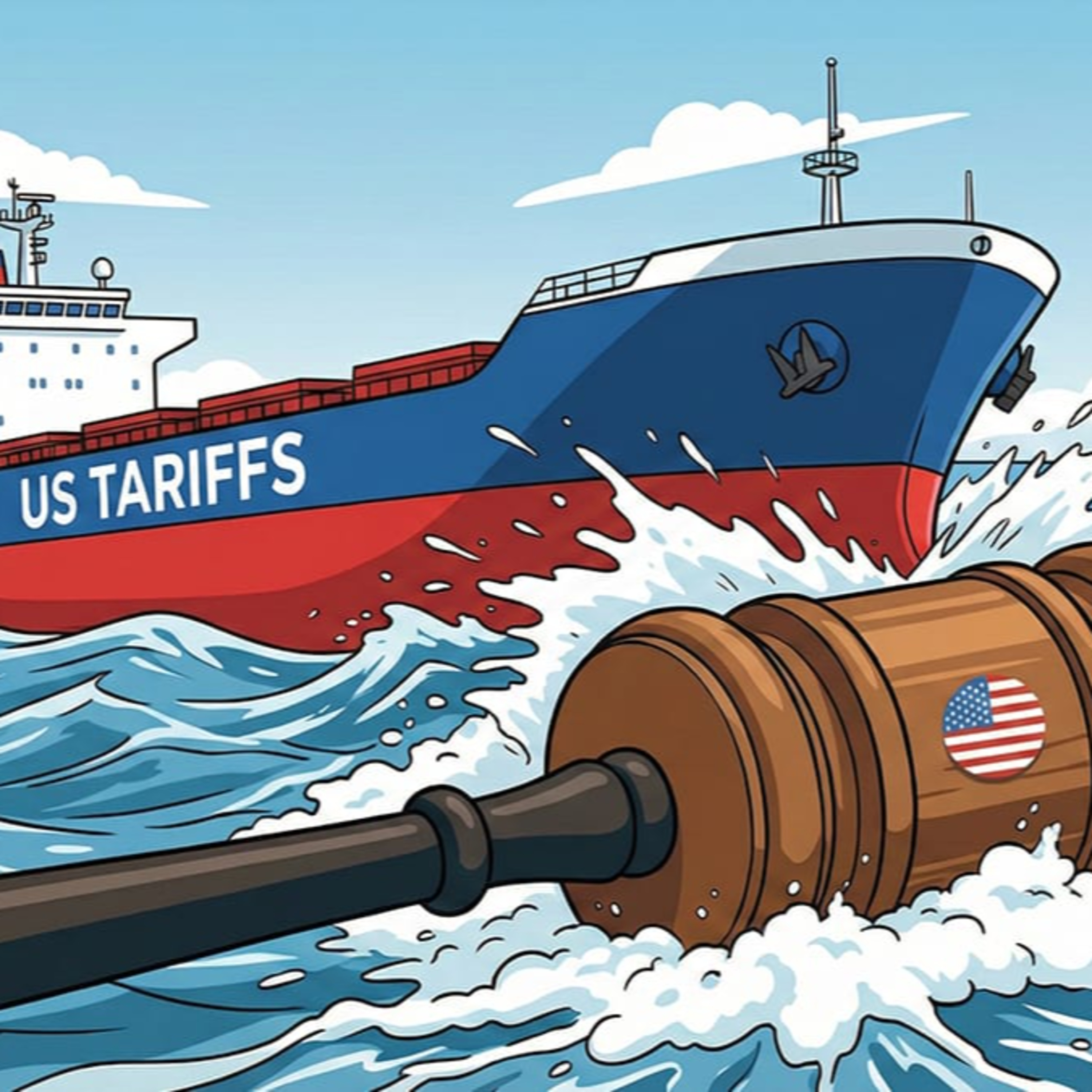
This episode dissects the recent US Supreme Court ruling that declared the tariffs imposed by the Trump administration illegal. It explores the immediate and long-term implications for international trade policy, supply chains, and the balance of power between the executive and legislative branches. Business leaders, trade policy analysts, and anyone involved in international commerce will find this analysis crucial for navigating the evolving landscape of trade relations.
📋 Detailed Content Breakdown
• The Shifting Landscape of US Tariffs: Last year, US tariffs significantly impacted global trade, making goods slightly more expensive and necessitating complex negotiations and cautious decision-making. This shift was perceived as a new normal, affecting major economies worldwide, including China, the EU, the UK, and Australia.
• India’s Vulnerability to US Tariffs: India faced substantial stakes, being a major trading partner with the US. The imposition of tariffs put key export sectors at risk, and India was subject to higher reciprocal duties, leading to both immediate and structural impacts. The alternative to not having a trade deal was facing prohibitively high tariffs.
• The Supreme Court’s Landmark Ruling: The US Supreme Court ruled that tariffs imposed by the President using the International Emergency Economic Powers Act (IEEPA) were illegal. This decision centered on the fact that IEEPA is intended for genuine national emergencies, not for managing trade deficits or implementing tariffs.
• Re-evaluation of Trade Policy Tools: The ruling has shifted the dynamic of imposing trade measures. Tariffs, previously implemented quickly and with broad impact, are now subject to a more rigorous legal and legislative process. This necessitates a longer, more complex approach involving formal investigations, national security reviews, and potentially Congressional approval.
• The Return of Section 232 Tariffs and Temporary Measures: Following the Supreme Court’s decision, the White House implemented a temporary import surcharge, leveraging a different trade law (Section 232) designed for national security. This surcharge, initially at 10% and later raised to 15%, aims to address short-term balance of payment stresses, effectively acting as a tariff with an expiration date.
• Global Reactions and Future Implications: The EU and China are reassessing their trade agreements in light of the ruling, with the EU stating it will not accept tariff increases from the US. India has adopted a more cautious approach, pausing and reassessing its trade commitments rather than rushing to finalize agreements.
💡 Key Insights & Memorable Moments
- Counterintuitive Revelation: The ruling, while invalidating tariffs under IEEPA, didn’t eliminate the US government’s ability to impose trade restrictions. Instead, it forced a shift to different, though still potent, trade enforcement tools like temporary surcharges, highlighting the adaptability of trade policy mechanisms.
- Expert Opinion on Legal Justification: The core of the Supreme Court’s decision hinged on the distinction between national emergencies and economic imbalances. “What doesn’t count as emergency per se are trade deficits, general economic imbalances, and of course, tariffs.”
- Data Point: The US government could be looking at a staggering $175 billion in refunds to 300,000 businesses due to the Supreme Court ruling.
- Analogy: The temporary import surcharge implemented post-ruling is described as being “like a tariff with an expiration date,” illustrating its limited duration and specific purpose.
🎯 Way Forward
- Prepare for Extended Negotiation Periods: The era of swift tariff imposition is over. Companies and nations must brace for longer, more complex negotiation processes for new trade agreements and modifications to existing ones, involving multiple governmental layers.
- Diversify Supply Chains Beyond Tariffs: Businesses should proactively seek to diversify their supply chains not just to mitigate tariff risks but also to build resilience against the broader unpredictability of trade policy shifts.
- Monitor Evolving Legal Frameworks: Stay informed about how trade laws are being interpreted and utilized by governments globally, particularly the US, as they adapt to legal challenges and court rulings.
- Engage in Proactive Diplomatic Engagement: For countries and industries significantly impacted, direct engagement with trade bodies and government officials will be crucial to shape future trade policies and secure favorable terms.
- Anticipate Long-Term Refund Processes: Businesses that paid tariffs deemed illegal should prepare for potentially lengthy processes to claim refunds, as historical precedents suggest these can take years to materialize.