
🎯 Core Theme & Purpose
This episode delves into the World Trade Organization’s (WTO) temporary moratorium on electronic transmissions, implemented in 1998, and its enduring impact on global trade dynamics. The unique angle explores how a seemingly provisional measure has shaped digital commerce and created ongoing disputes between developed and developing nations. This analysis is crucial for policymakers, businesses engaged in international digital trade, and anyone seeking to understand the evolving landscape of global commerce.
📋 Detailed Content Breakdown
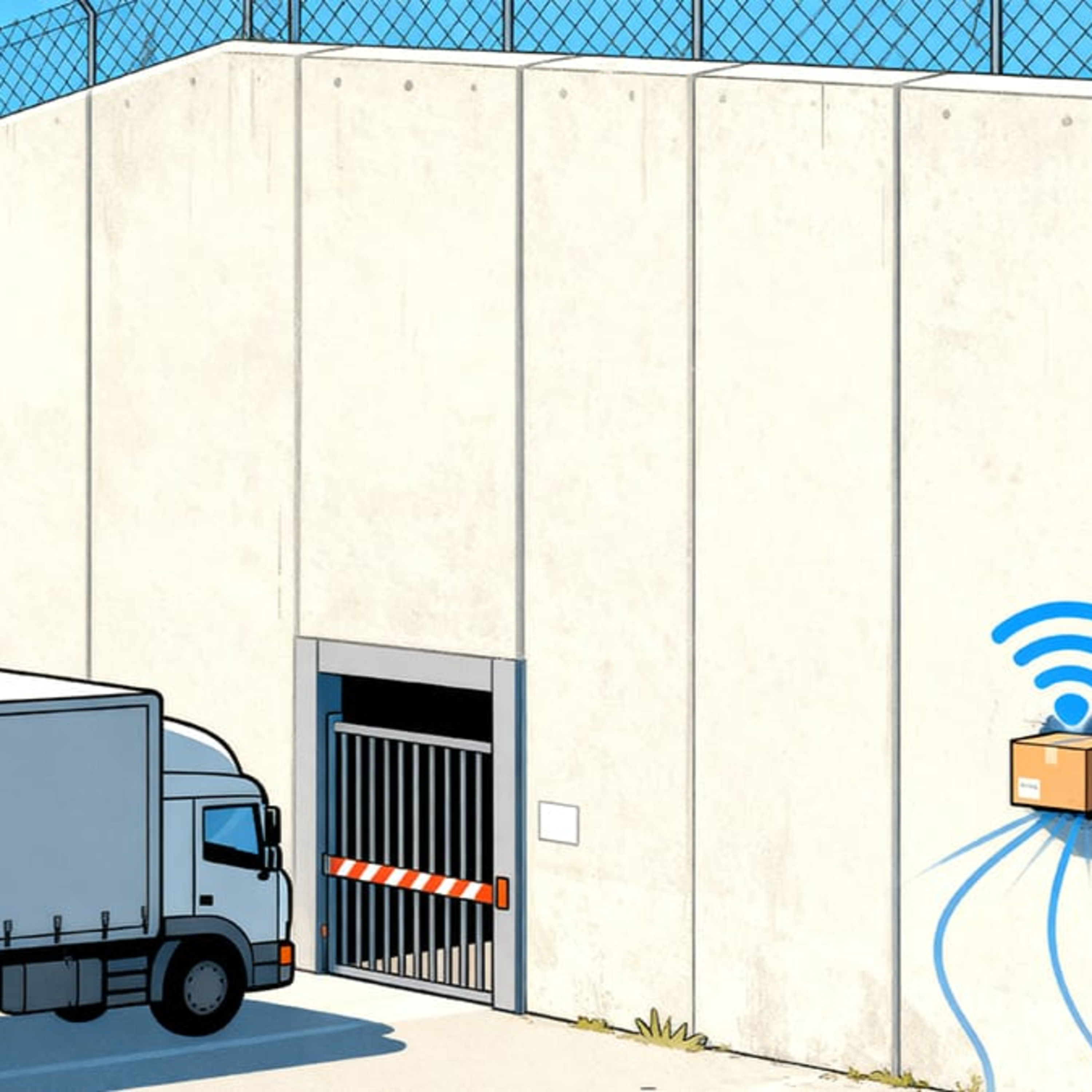
• The Genesis of the E-commerce Moratorium: In 1998, the WTO faced a new challenge: the cross-border movement of intangible goods like software and music without physical shipment. This led to the temporary suspension of customs duties on electronic transmissions, a decision initially intended as a short-term measure while a framework for digital trade was developed. The core problem was determining how to tax something that didn’t physically cross a border.
• The Moratorium’s Prolonged Existence: Despite its temporary nature, the moratorium was repeatedly extended by WTO members, largely due to a lack of consensus on how to classify and tax digital goods. The internet’s rapid growth meant that digital trade evolved from a niche concept to a significant portion of global commerce, all while operating under this extended pause on customs duties. This created a significant divergence from the taxation of physical goods.
• The Emerging Divide: Developed vs. Developing Nations: As digital trade boomed, developing countries, like Brazil and Turkey, began to voice concerns that the moratorium favored large tech companies from developed nations. They argued it led to significant losses in tariff revenue, hindered the growth of their own digital industries, and created an uneven playing field compared to physical goods trade. This highlighted the economic implications for nations reliant on traditional trade revenue.
• The Moratorium’s Expiration and its Ramifications: On March 30, 2026, the WTO’s e-commerce moratorium expired for the first time in its 28-year history. This happened after key members, including Brazil and Turkey, blocked an extension, linking it to broader grievances regarding agricultural trade. The expiration signifies a shift, creating uncertainty about the taxation of digital transmissions and potentially leading to new tariffs.
• Challenges to Establishing New Digital Trade Rules: Reaching a consensus on new rules for digital trade within the WTO is proving difficult due to differing national interests and the sheer complexity of the issue. The fact that negotiations have stalled and led to the moratorium’s expiration indicates a fundamental challenge in adapting global trade frameworks to the digital age. This leaves many aspects of digital trade in a state of flux.
💡 Key Insights & Memorable Moments
- The unexpected longevity of a temporary measure: The WTO’s e-commerce moratorium, intended as a two-year breathing room, persisted for nearly three decades due to an inability to reach consensus, highlighting the slow pace of international regulatory adaptation.
- Digital trade’s disconnect from physical goods taxation: The core of the debate lies in the fundamental difference between tangible and intangible goods; while a DVD incurs customs duties, a streamed movie does not, creating a significant revenue gap for many nations.
- The moratorium as leverage for broader trade disputes: For countries like Brazil, the e-commerce moratorium became a bargaining chip in larger, long-standing disputes over agricultural subsidies, demonstrating how digital trade issues are intertwined with other global trade concerns.
- The US’s shift in stance: The United States, a proponent of a permanent extension, ultimately found itself in a position where its desired outcome was not achieved, indicating the growing influence of developing nations in shaping global trade agendas.
🎯 Way Forward
- Develop Harmonized Digital Trade Classifications: Nations need to collaborate on standardized definitions and classifications for digital goods and services to facilitate consistent taxation and regulation across borders. This is crucial for creating a predictable environment for digital commerce.
- Explore Innovative Digital Taxation Models: Governments should actively research and pilot new models for taxing digital transactions that are fair to both consumers and businesses, and that can generate revenue for public services without stifling innovation. This could involve consumption-based taxes or digital service taxes.
- Strengthen WTO Consensus-Building Mechanisms: The WTO must adapt its processes to foster greater agreement on emerging trade issues like digital trade, potentially through smaller working groups or tiered approaches to decision-making. This will prevent critical areas of trade from remaining in limbo indefinitely.
- Prioritize Digital Infrastructure and Skills Development: Developing nations should focus on building robust digital infrastructure and nurturing digital talent to compete effectively in the global digital economy, rather than solely relying on tariff protections that may not materialize. This fosters long-term competitiveness.
- Engage in Multi-Stakeholder Dialogues: Policymakers should actively involve businesses, civil society, and technical experts in discussions on digital trade rules to ensure that solutions are practical, equitable, and reflective of the evolving digital landscape. This ensures a broader perspective in shaping future regulations.