
🎯 Core Theme & Purpose
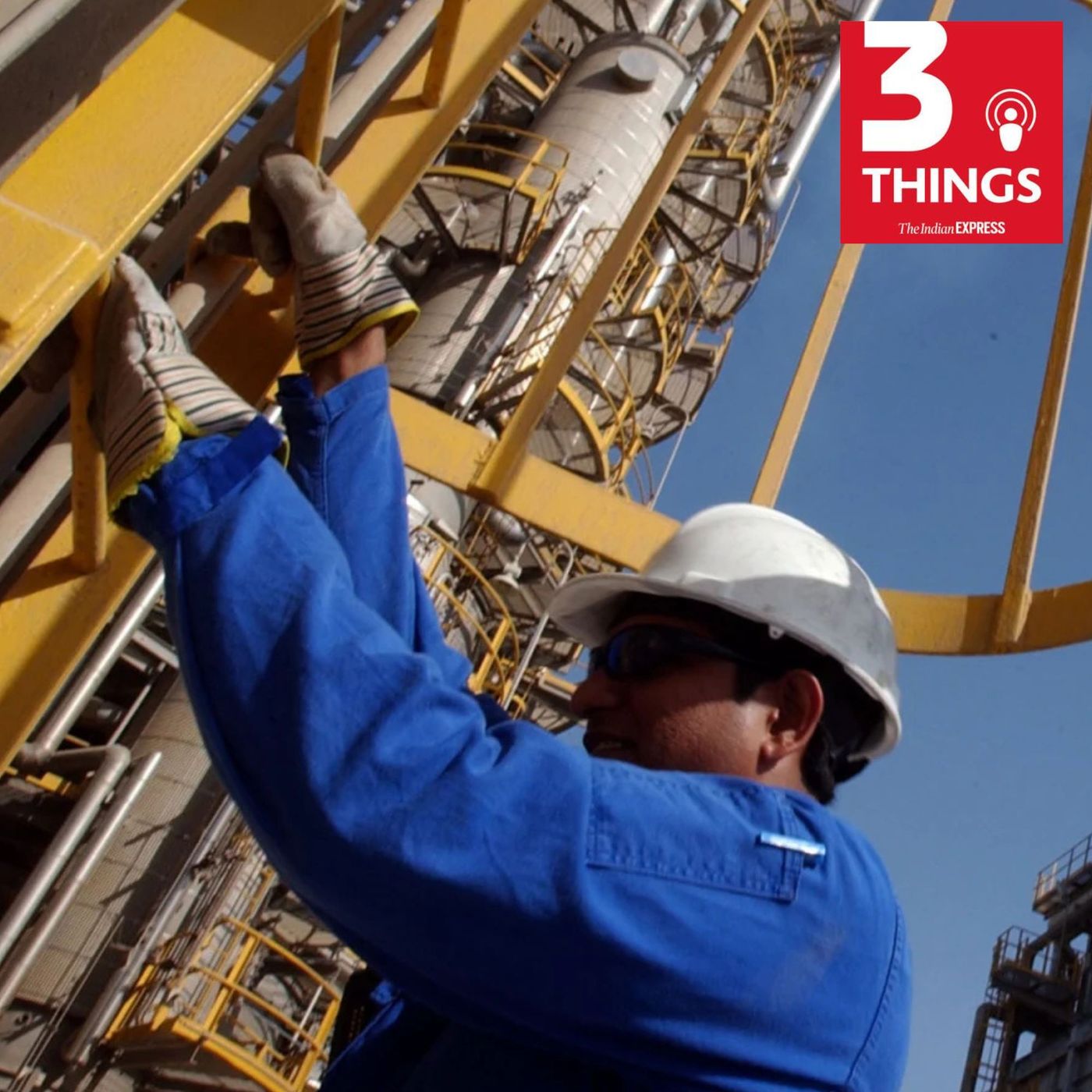
This episode delves into two significant global events: the United Arab Emirates’ withdrawal from OPEC and a tragic fireworks explosion in Kerala, India. It explores the geopolitical and economic implications of the UAE’s decision, particularly on oil prices and OPEC’s influence, while also scrutinizing the safety lapses and cultural significance surrounding the Kerala incident. The discussion is highly beneficial for individuals interested in international energy markets, geopolitical shifts, and public safety concerns in developing nations.
📋 Detailed Content Breakdown
• UAE’s Exit from OPEC and its Ramifications: The United Arab Emirates announced its departure from OPEC, a move that surprised many despite prior rumors. This decision is analyzed in the context of the UAE’s long-term economic strategy to diversify away from oil dependency and its evolving relationship with the US. The impact on global oil prices and OPEC’s collective influence is examined, particularly in light of current global market disruptions.
• The Genesis and Influence of OPEC: The episode traces the origins of OPEC, highlighting its formation as a cartel of oil-producing nations aimed at gaining collective bargaining and pricing power. The historical significance of OPEC’s actions, particularly during the Arab-Israeli War in the early 1970s, is discussed as a pivotal moment showcasing its ability to disrupt global geopolitics. The changing landscape of oil production, with the US and Russia emerging as major players, is noted as a factor influencing OPEC’s dominance.
• Shifting Geopolitical Alignments: A key discussion point is the shift in geopolitical alliances among oil-producing nations. While many countries that formed OPEC in its early years were anti-US, contemporary alignments show many of these nations, including those that have left OPEC, are now aligning with the United States. The UAE’s decision is viewed as potentially strengthening the American position in the region, given the US’s interest in keeping oil prices low.
• The Kerala Fireworks Tragedy: The episode details a devastating explosion in Thrissur, Kerala, where at least 16 people were killed and over 40 injured during the illegal manufacturing of fireworks for the Thrissur Pooram festival. The incident occurred due to an explosion at a contractor’s workshop, highlighting potential safety lapses, the use of banned chemicals, and the immense risk involved in unregulated firework production. The long-standing cultural significance of the festival and its elaborate fireworks display is contrasted with the tragic outcome.
• Investigation and Accountability: The ongoing investigation into the Kerala fireworks tragedy is discussed, with authorities examining multiple possibilities, including heatwaves, mishandling of chemicals, and potential short circuits. The recovery of Tanveer Salam’s body after 20 days, trapped under a boulder, underscores the intensity of the blast. The arrest of four individuals involved in illegal fireworks manufacturing and the seizure of their equipment are noted as initial steps towards accountability.
• Challenges in Safety Regulation: The discussion highlights the difficulties in regulating hazardous industries like fireworks manufacturing. Despite regulations and safety protocols implemented after previous incidents, such as the Kollam temple fire, the allure of profit and cultural pressures seem to lead to recurring tragedies. The episode suggests a need for a more comprehensive and centralized approach to safety management in these high-risk sectors.
💡 Key Insights & Memorable Moments
• The UAE’s exit from OPEC signals a strategic shift towards economic diversification, aiming to reduce oil dependency and potentially align more closely with US interests, a stark contrast to OPEC’s historical anti-US stance. • The Kerala fireworks tragedy underscores the persistent challenges in regulating hazardous industries, where cultural traditions and economic pressures often override safety measures, leading to recurring loss of life. • The episode reveals a stark juxtaposition between the victims’ personal motivations and the dangerous nature of their work. Tanveer Salam, for instance, was not primarily driven by financial gain but by a deep-seated family tradition and a sense of spiritual calling tied to the festival, viewing his work as a form of “puja.” • The complexity of the Kerala incident is highlighted by the difficulty in pinpointing a single cause, with investigations exploring heatwaves, chemical mishandling, and illegal procurement of materials, suggesting a systemic failure rather than isolated negligence.
🎯 Way Forward
- Strengthened Regulatory Oversight for Hazardous Industries: Implement more robust, centralized, and consistently enforced safety regulations for activities like fireworks manufacturing, involving rigorous licensing, regular inspections, and strict penalties for non-compliance. This matters for preventing future tragedies and ensuring public safety.
- Diversification Strategies Beyond Oil: Nations heavily reliant on oil exports, like the UAE, should accelerate and diversify their economies by investing in sectors like tourism, services, and technology. This reduces vulnerability to global oil market fluctuations and geopolitical shifts.
- Community Engagement in Safety Awareness: Foster greater community awareness and participation in safety protocols for culturally significant events involving inherent risks. Engaging local leaders and communities can help balance tradition with essential safety measures.
- International Cooperation on Energy Markets: While the UAE’s exit from OPEC is a significant geopolitical event, continued dialogue and cooperation among major oil producers and consumers are crucial for ensuring global energy stability and managing price volatility.
- Accountability and Transparency in Investigations: Ensure that investigations into industrial accidents are thorough, transparent, and lead to tangible accountability. This builds public trust and helps identify systemic failures to prevent recurrence.