
🎯 Core Theme & Purpose
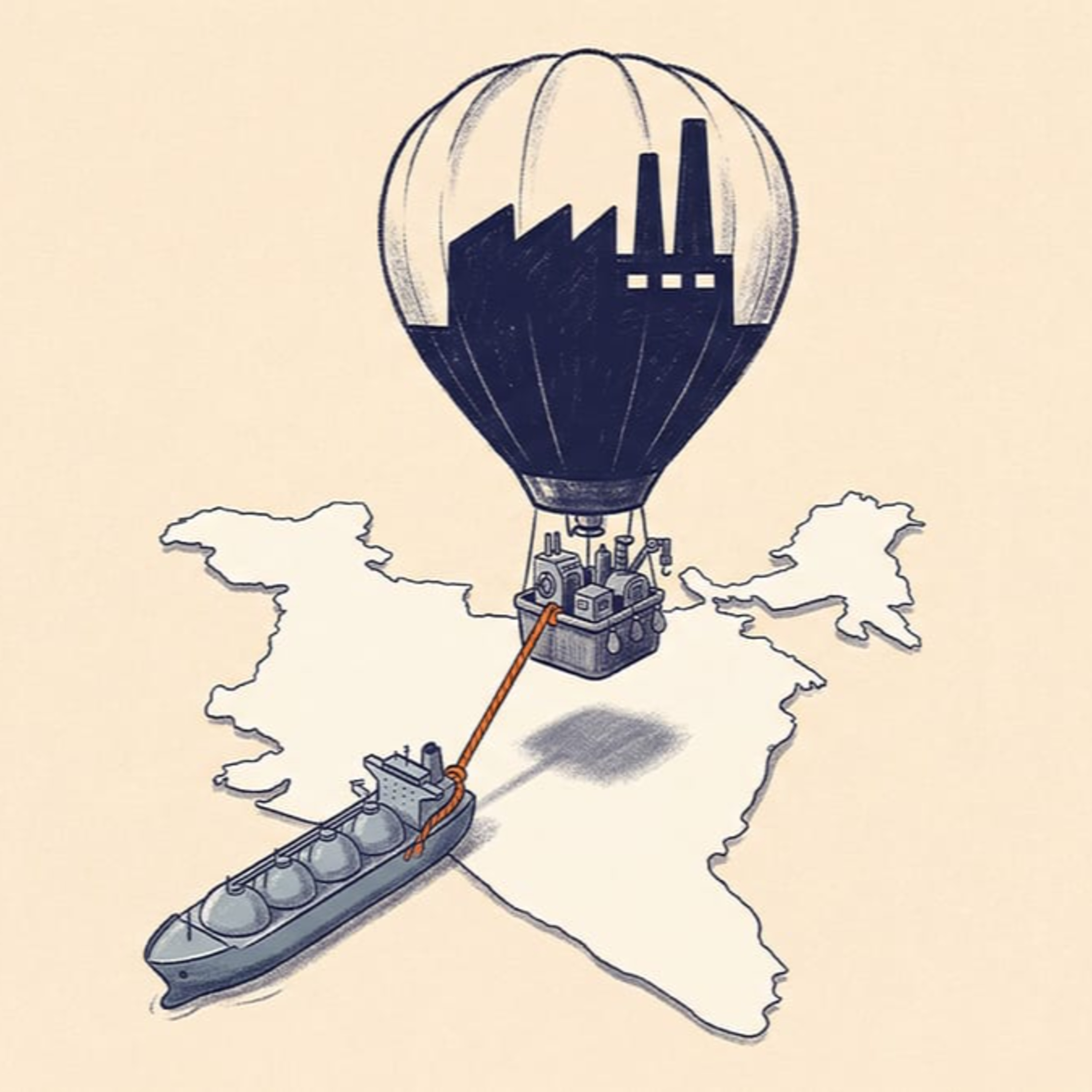
This episode dissects the recent surge in LNG shipping costs and its implications, particularly for India. It argues that while often overlooked, the shipping industry’s volatility directly impacts global trade, energy security, and consumer prices. The discussion is beneficial for policymakers, industry professionals, and anyone interested in the intricate connections between geopolitical events and economic realities.
📋 Detailed Content Breakdown
• The Shift from Geography-Agnostic Trade: For decades, companies operated under the assumption that geography was irrelevant due to efficient global trade and low shipping costs. Products were manufactured, assembled, and sold across vast distances with minimal impact on price.
• The Rising Importance of Distance in Shipping: This assumption is challenged when shipping costs dramatically increase. High freight rates make distance a significant factor again, forcing a re-evaluation of global supply chain strategies.
• Dramatic Surge in LNG Shipping Rates: Last week saw LNG (Liquefied Natural Gas) shipping rates skyrocket by over 650%, reaching approximately $300,000 per day. This spike is directly linked to the ongoing Middle East conflict.
• The Underlying Instability of the Shipping Industry: Despite its critical role in global trade, the shipping industry is inherently unstable. Rates can remain low for years, then surge dramatically due to disruptions like geopolitical tensions or a shortage of vessels.
• Geopolitical Crises as Catalysts for Shipping Profitability: Shipping companies often experience their biggest profits during periods of global disruption. When shipping routes become unsafe or longer, vessels are utilized more, increasing costs and revenue.
• Impact on India’s Energy Security and Economy: As a major importer of LNG, India is significantly affected by these rising costs. Geopolitical instability, particularly in the Strait of Hormuz, directly impacts the price of energy India imports from the Middle East, potentially leading to inflation.
💡 Key Insights & Memorable Moments
• Counterintuitive Profitability: The shipping industry’s profitability often spikes during crises, turning disruptions into lucrative opportunities for shipping companies.
• Floating Warehouses: During periods of extreme freight rate volatility, ships can transform from mere transport vessels into costly floating storage facilities as traders hold onto cargo, waiting for better market conditions.
• “Geography Matters Again”: The recent surge in shipping costs signifies a return to the importance of geographical proximity in trade, challenging decades of globalization assumptions.
• “The very instability that disrupts global trade can become extraordinarily profitable for them.”: This quote highlights the paradoxical nature of the shipping market, where crises fuel profits.
🎯 Way Forward
- Diversify Energy Import Sources: India should actively seek to diversify its LNG import sources beyond the Middle East to mitigate risks associated with regional geopolitical tensions and the Strait of Hormuz. This matters because it reduces dependence on volatile routes and enhances energy security.
- Invest in Domestic LNG Infrastructure: Strengthening domestic LNG regasification capacity and distribution networks can reduce reliance on imports and buffer against international shipping cost fluctuations. This matters for creating a more resilient energy ecosystem.
- Promote Nearshoring/Reshoring Initiatives: Encourage manufacturers to consider diversifying supply chains and exploring nearshoring or reshoring options to reduce long-distance shipping dependencies. This matters for mitigating risks associated with extended global supply chains.
- Enhance Port Efficiency and Logistics: India needs to continue investing in port infrastructure, reducing turnaround times, and streamlining logistics to make domestic operations more competitive and less susceptible to global shipping disruptions. This matters for improving the overall cost-effectiveness of trade within and from India.
- Develop Strategic Shipping Partnerships: Explore strategic partnerships or investments in shipping capacity, particularly for critical commodities like LNG, to gain greater control and predictability over transportation costs. This matters for securing vital energy supplies at stable prices.