
🎯 Core Theme & Purpose
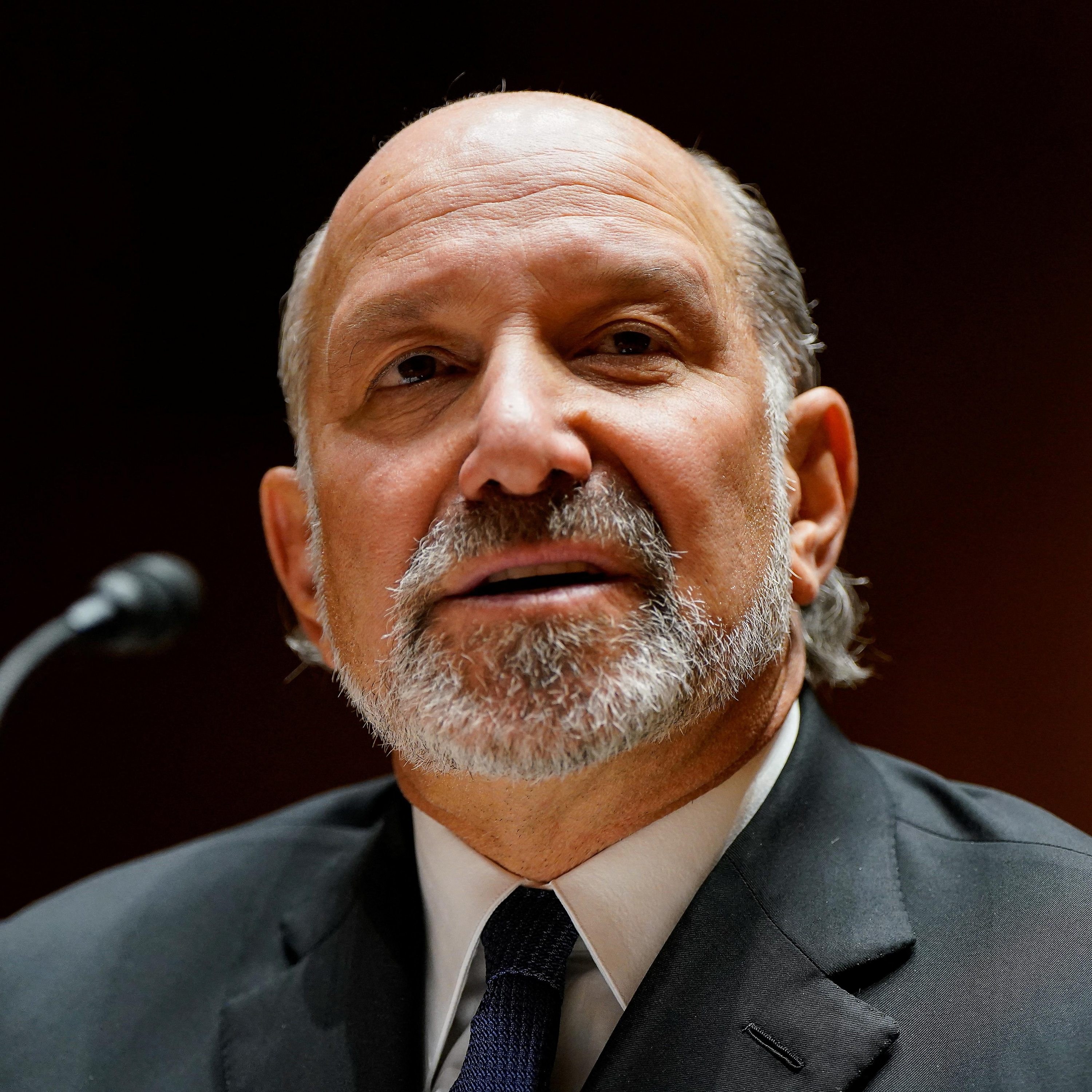
This episode delves into the intricate web of alleged financial impropriety and undisclosed business relationships surrounding Jeffrey Epstein and his associates, particularly focusing on Howard Luttnick, former US Commerce Secretary. The investigation unearths new evidence that suggests a potential cover-up and raises serious questions about transparency in high-finance and political circles. This episode is essential listening for anyone interested in investigative journalism, financial accountability, and the mechanisms of power and influence.
📋 Detailed Content Breakdown
• The Epstein Files and Luttnick’s Connection: The release of the Epstein files revealed potential new evidence suggesting that Howard Luttnick failed to disclose a business relationship with Jeffrey Epstein. This discovery emerged from a deeper dive into the released documents by investigative journalists.
• Whistleblower’s Revelations: A British whistleblower, Simon Andres, unearthed crucial evidence, including an interview given to the FBI, that implicated Luttnick. Andres’s work began as a personal investigation into financial malpractice, which eventually led him to uncover links between Luttnick, Epstein, and even members of the Trump administration.
• The “Adfin” Deal and Shared Investors: A significant finding was an agreement to form a joint venture company called Adfin in late 2013/early 2014. Both Jeffrey Epstein and Howard Luttnick were listed as investors in this company, contradicting Luttnick’s claims of no ongoing relationship. This deal involved Andrew, Prince, and aimed to raise significant capital through Luttnick’s network.
• Luttnick’s Shifting Narrative: Howard Luttnick initially claimed to have had minimal contact with Epstein after 2005 and only met him a few times. However, evidence surfaced showing Luttnick visiting Epstein’s private island in 2012 and, crucially, emails between Luttnick and Epstein discussing Adfin in May 2018, years after Luttnick claimed to have cut ties.
• Andrew, Prince’s Potential Involvement: The proposed “Adfin” deal also involved Prince Andrew, who was allegedly advised by Epstein to participate. The plan was for Andrew to secure investments from his contacts, with profits being split 50/50 with Cantor Fitzgerald, Luttnick’s firm. This points to a broader network of influence and potential financial entanglements.
• The Whistleblower’s Personal Toll: Simon Andres himself suffered severe health consequences, including a heart attack and PTSD, due to his prolonged efforts to expose financial misconduct. Despite these challenges, he pursued justice, leading to significant revelations about powerful figures.
💡 Key Insights & Memorable Moments
• Counterintuitive Revelation: Howard Luttnick’s repeated claims of minimal contact with Jeffrey Epstein after 2005 were directly contradicted by evidence of a visit to Epstein’s island in 2012 and direct email communication in 2018 regarding a significant business deal. • Expert Opinion: Simon Andres, the whistleblower, described his personal experience as a “trauma crisis” and a “terrifying ordeal,” highlighting the immense personal cost of confronting powerful financial networks. • Memorable Quote: Simon Andres stated, “I was so traumatised that I was having flashbacks to incidents that had happened in the past… they called them dissociative seizures where I was developing like a head movement… like your head shaking.” • Data Point: Emails discovered show Howard Luttnick inquiring about the prospects of Adfin from Jeffrey Epstein in May 2018, directly challenging his assertion that the business relationship had ended years prior. • Storytelling Moment: The narrative of Andrew, Prince, being advised by Epstein to secure investment capital for a joint venture, with Luttnick’s firm acting as a conduit, illustrates the alleged symbiotic relationship between finance, royalty, and individuals with questionable pasts.
🎯 Way Forward
- Strengthen Regulatory Oversight: Implement more robust mechanisms for auditing and verifying financial disclosures made by public officials and individuals in positions of influence to prevent the concealment of potential conflicts of interest. This matters for maintaining public trust in financial institutions and government.
- Enhance Whistleblower Protections: Increase legal and financial safeguards for whistleblowers who expose financial wrongdoing, ensuring they are protected from retaliation and adequately compensated for their risks. This is crucial for incentivizing the reporting of malfeasance.
- Promote Algorithmic Transparency: In an era of vast digital data, develop clearer protocols for accessing and analyzing financial and communication records during investigations. This is essential for uncovering the full scope of complex financial schemes.
- Foster Cross-Jurisdictional Cooperation: Improve collaboration between international regulatory bodies to track and investigate financial activities that transcend borders, ensuring that individuals cannot evade accountability by operating across different jurisdictions. This is vital for tackling global financial crime.
- Demand Accountability for Undisclosed Dealings: Public officials and figures with significant influence must be held to the highest standards of transparency regarding their financial dealings, especially those involving individuals with documented histories of malfeasance. This reinforces ethical conduct and upholds the integrity of public service.