
🎯 Core Theme & Purpose
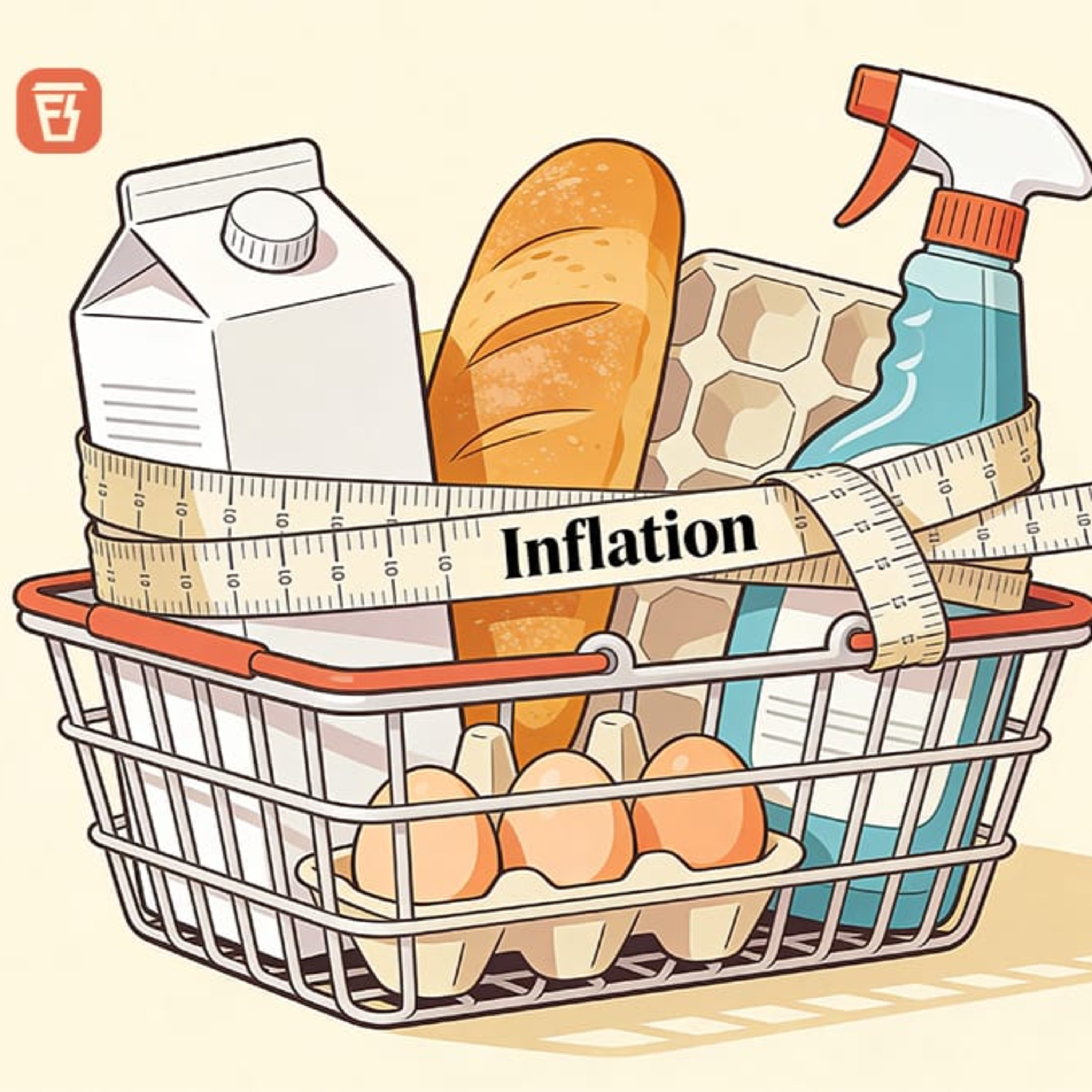
This episode explains the recent changes in how India measures inflation, focusing on the shift to a new Consumer Price Index (CPI) series based on 2024 consumption patterns. It addresses the disconnect between reported inflation figures and the public’s perception of rising costs. The content is particularly beneficial for economists, policymakers, financial analysts, and individuals seeking a deeper understanding of economic indicators.
📋 Detailed Content Breakdown
• The Disconnect Between Reported Inflation and Lived Experience: The episode highlights that while official inflation figures may appear moderate, individuals often feel their expenses are increasing significantly year after year due to rising rents, education, healthcare, and other essential costs. This discrepancy suggests that the measurement methodology might not be capturing the full reality of household budgets.
• Limitations of the Old CPI Framework (2012 Base Year): For years, India used a CPI framework anchored in 2012 spending habits. This became outdated as consumption patterns evolved, with less spending on items like VCRs and more on services like streaming, rent, and education. The old framework failed to keep pace with these structural shifts, leading to an underestimation of inflation’s true impact.
• Introduction of the New CPI Series (2024 Base Year): In February 2024, India adopted a new CPI series using 2024 consumption patterns as the base year. This update reflects current household spending, incorporating new items and services and re-weighting existing ones to align with modern economic realities.
• The COICOP Classification System: A significant change is the adoption of the Classification of Individual Consumption According to Purpose (COICOP) system. This standardizes the way consumption is categorized, grouping similar expenses like rent, education, and healthcare into distinct, internationally recognized divisions, providing clearer insights into specific cost drivers.
• Modernized Data Collection Methods: The new CPI calculation incorporates digital tools and online price data alongside traditional market surveys. This allows for a more comprehensive and real-time tracking of prices, reflecting how people actually shop and pay today, rather than relying solely on outdated methods.
• Impact on Inflation Reporting and Policy: The updated framework is expected to provide a more accurate reflection of inflation. This means that while sudden spikes in food prices might have less impact on the headline number, steady increases in essential services like rent and education will be more prominently reflected, potentially influencing policy responses like interest rate adjustments and cost-of-living support.
💡 Key Insights & Memorable Moments
• Inflation Measurement Lag: The core insight is that inflation measurement, while not inherently “wrong,” often lags behind actual economic changes. The old CPI, anchored to 2012 spending, was a prime example of this lag, making inflation feel underestimated. • Shift from Goods to Services: A key change in the consumption basket is the growing importance of services (rent, education, healthcare, streaming) over traditional goods. The new CPI series better captures the price movements in these increasingly dominant areas of household expenditure. • “Real-time” Data Integration: The move to incorporate online price data and digital tracking methods represents a significant modernization, allowing for a more agile and accurate reflection of current market conditions compared to solely relying on physical market surveys. • “Real wages” vs. “Real inflation”: The episode implicitly highlights the difference between nominal wage increases and the “real” purchasing power of those wages, which is directly impacted by how accurately inflation is measured against current spending.
🎯 Way Forward
- Embrace the New CPI Metrics: Policymakers and economists should fully utilize the insights from the new CPI series to inform monetary and fiscal policy decisions, ensuring they address current cost pressures accurately. This matters for effective economic management.
- Enhance Public Communication: Clearly communicate the rationale and methodology behind the new CPI to the public. Explaining why inflation figures might change and how they relate to everyday expenses can help bridge the gap between official data and lived experience. This matters for building trust and understanding.
- Continuous Review of Consumption Baskets: Regularly update consumption baskets and weighting schemes for inflation measurement. Economic patterns evolve rapidly, and a dynamic approach is crucial for maintaining the relevance and accuracy of inflation data. This matters for long-term reliability.
- Leverage Digital Data for Broader Economic Indicators: Explore using similar digital data integration techniques to improve other economic indicators, such as employment, GDP, and consumer sentiment, to provide a more real-time and granular understanding of the economy. This matters for comprehensive economic analysis.
- Focus on Service Sector Inflation: Pay closer attention to inflation trends in the service sector, as the new CPI framework highlights its growing importance. Targeted policies might be needed to address rising costs in areas like housing, healthcare, and education, which significantly impact household budgets. This matters for targeted relief and economic stability.