
🎯 Core Theme & Purpose
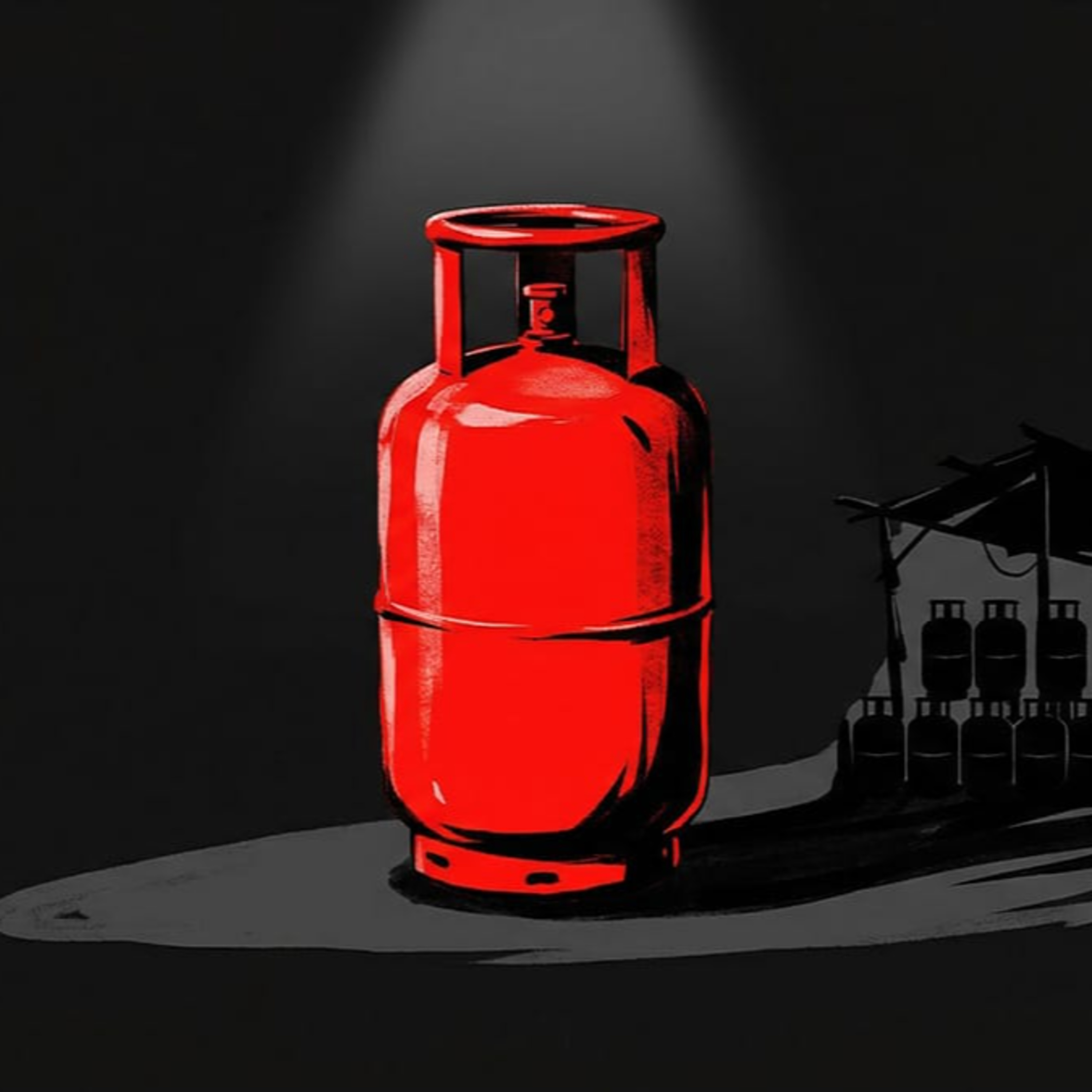
This episode delves into the unintended consequences of India’s highly successful Pradhan Mantri Ujjwala Yojana (PMUY) for LPG (Liquefied Petroleum Gas) connections. It reveals how the program’s success in expanding clean cooking fuel access has inadvertently fueled a burgeoning parallel black market for LPG cylinders. Listeners interested in public policy, market dynamics, and the challenges of large-scale subsidy programs would find this analysis particularly beneficial.
📋 Detailed Content Breakdown
• PMUY’s Success and Unintended Market Creation: India’s LPG consumption, driven by the PMUY scheme launched in 2016, has seen a significant increase, with over 32 crore connections by 2024. This initiative aimed to move households from traditional fuels to cleaner LPG, positioning India as a clean energy success story. However, the substantial price difference between subsidized domestic cylinders and commercial cylinders has created an arbitrage opportunity.
• The Price Discrepancy Driving Diversion: Domestic LPG cylinders are priced significantly lower (around ₹800-900 without subsidy) compared to commercial cylinders which can cost upwards of ₹3200 in the black market. This stark difference provides a substantial profit margin for distributors and intermediaries involved in diverting subsidized cylinders from their intended household use to the commercial sector.
• Evidence of Diversion and Black Market Operations: Recent police raids across multiple cities have uncovered LPG diversion rackets operating within this price gap. Investigations revealed sophisticated networks where subsidized domestic cylinders are siphoned off and sold in the black market, often in smaller cylinders for commercial use. This diversion is facilitated by issues in beneficiary identification and a lack of stringent oversight.
• Structural Weaknesses in LPG Subsidy Implementation: A Comptroller and Auditor General (CAG) report highlighted systemic flaws, including insufficient cross-checking of beneficiary identities and incomplete household records, leading to the issuance of connections to ineligible individuals or even ghost households. This also includes instances where subsidies were released to men instead of the intended women beneficiaries.
• Challenges in Enforcement and Distribution Oversight: The vastness of India’s LPG distribution network, involving thousands of distributors and complex delivery routes, makes real-time tracking and monitoring of every cylinder transaction incredibly difficult. This complexity allows for the diversion of cylinders before they reach their final intended destination, creating a significant enforcement challenge.
• The Diversion Mechanism: The process typically involves distributors inflating demand by using ghost households or fake registrations to secure larger quotas. Subsidized cylinders are then siphoned off and either transferred to commercial cylinders or sold directly in the black market at a discount to commercial users like restaurants and street vendors, who prefer them due to their lower cost compared to official commercial rates.
💡 Key Insights & Memorable Moments
- The Paradox of Success: India’s triumph in expanding LPG access to millions has ironically created a profitable black market, highlighting how well-intentioned subsidies can distort market dynamics.
- Profitability of Diversion: A distributor can generate substantial profits by diverting even a small fraction of domestic cylinders into the black market due to the significant price difference between subsidized and commercial LPG.
- “Ghost Households” and Inflated Quotas: The scheme’s implementation allowed for the creation of fictitious beneficiaries to increase allocation, a common tactic in such diversion rackets.
- “Near Zero” Incentive to Stop Diversion: As long as domestic cylinders remain significantly cheaper, distributors and intermediaries have a strong financial incentive to continue diversion, making enforcement a persistent challenge.
- The “Uncomfortable Paradox”: The core insight is that a program designed to provide clean cooking fuel has, due to pricing mechanisms and oversight gaps, inadvertently fostered an environment where diverted cylinders become the cheaper option for commercial users.
🎯 Way Forward
- Reform Subsidy Structure and Pricing: Gradually reduce the price disparity between domestic and commercial LPG cylinders and explore direct benefit transfers linked to verified household usage.
- Why it matters: This would directly dismantle the primary profit incentive for diversion.
- Enhance Beneficiary Identification and Verification: Implement robust, multi-layered verification systems beyond Aadhaar, including regular audits and cross-referencing with other government databases to prevent ghost beneficiaries.
- Why it matters: Ensures subsidies reach intended recipients and reduces opportunities for fraudulent allocations.
- Implement Advanced Tracking and IoT Solutions: Leverage technology like RFID tags on cylinders and real-time tracking systems for the entire distribution chain, from depot to end-user.
- Why it matters: Provides granular data for monitoring, enabling quick detection of diversion patterns and distributor misconduct.
- Strengthen Enforcement and Penalties: Increase the severity of penalties for diversion, including stricter licensing conditions and immediate revocation for repeat offenders, coupled with proactive intelligence gathering.
- Why it matters: Creates a credible deterrent against illicit activities within the LPG ecosystem.
- Promote Alternative Clean Cooking Solutions: Alongside LPG, continue to support and scale up other clean cooking technologies and fuel sources to reduce over-reliance on a single subsidized commodity, thus diversifying supply and demand.
- Why it matters: Builds resilience against market shocks and reduces the potential for single-point exploitation.