
🎯 Core Theme & Purpose
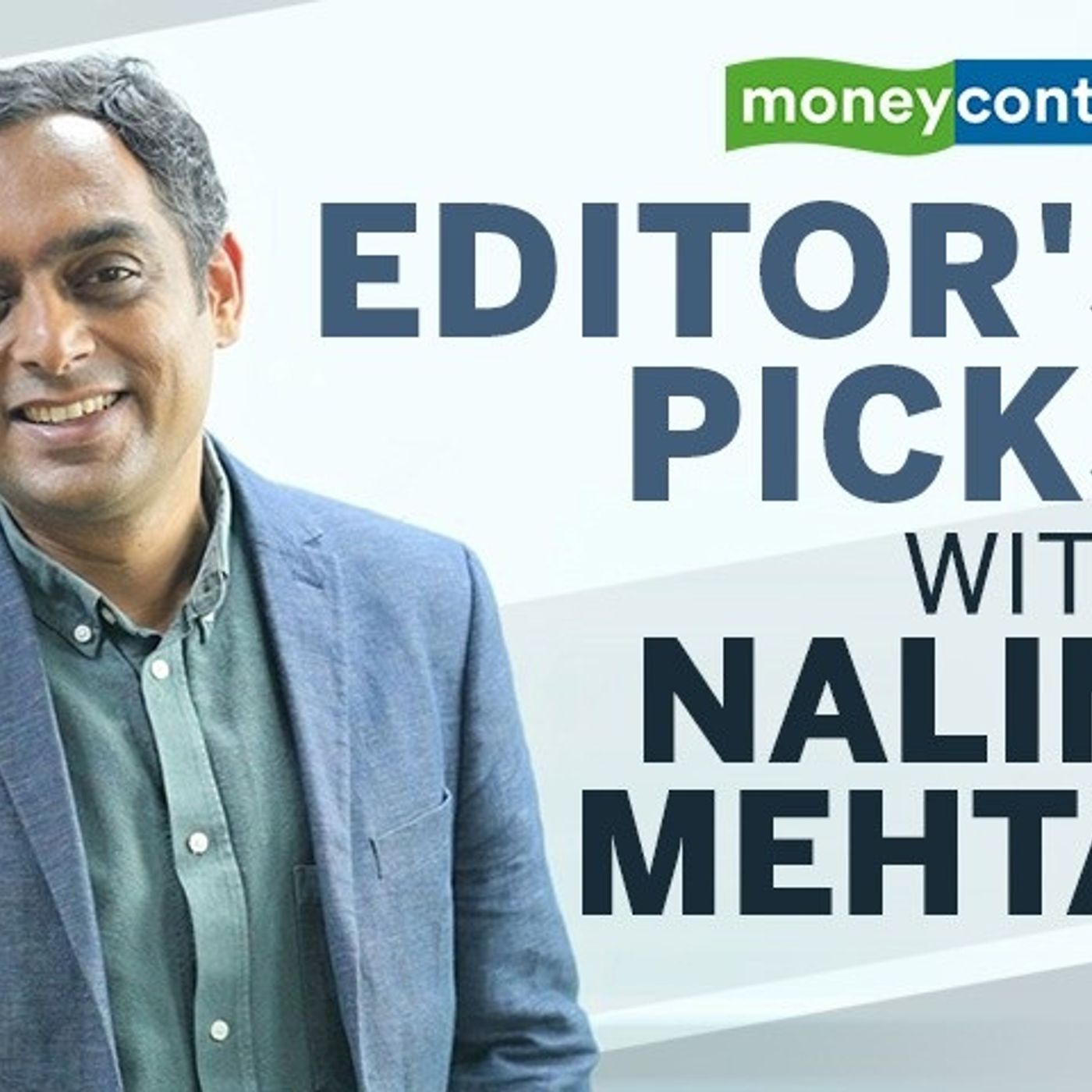
This episode of Editor’s Picks delves into critical economic and policy developments impacting India and its global trade relations. It highlights how recent trade agreements and regulatory changes, particularly concerning textiles and AI, present both challenges and opportunities for Indian businesses and policymakers. The insights offered are particularly valuable for industry leaders, investors, and those interested in the intersection of international trade, technology, and governance.
📋 Detailed Content Breakdown
• Bangladesh’s Zero-Tariff Textile Access to US: India’s textile exporters face renewed pressure as Bangladesh gains zero-tariff access for select garments to the US. This development could significantly impact India’s cotton trade, potentially putting $1.5 billion at risk. It also raises questions about the future of India’s competitiveness in the global textile market.
• US-India Trade Relations and Non-Tariff Barriers: A single line in the India-US joint statement regarding non-tariff barriers is causing unease, especially for Indian farmers. This refers to India’s commitment to address these barriers affecting US food and farm products, which revives a long-standing US complaint about genetically modified imports. The implications for India’s agricultural sector and trade policies are significant.
• Automation’s Impact on Indian Jobs: German automotive supplier Omovio plans to lay off 1000 employees in India as part of a global restructuring of its R&D operations. This move signals the growing impact of automation and AI on the Indian job market, particularly in sectors previously reliant on manual labor. It underscores the need for reskilling and adaptation in the face of technological advancements.
• Governance Issues at Z Entertainment: Z Entertainment is facing scrutiny over recent disclosures that were not sent to stock exchanges but posted on the company’s website. Governance experts argue that such methods go against the spirit of regulatory oversight, potentially eroding investor confidence. This highlights the ongoing importance of transparency and adherence to established corporate governance norms.
• AI and Deepfake Regulation in India: India’s Ministry of Information Technology has included AI-generated deepfakes as part of amendments to the IT Rules Act 2021. This proactive measure aims to address the growing threat of synthetic media and ensure users are informed about AI-generated content. The new rules mandate clear labeling and visibility for all AI-generated content.
• Shifting Investor Behavior Towards Gold: Inflows into gold ETFs in January doubled compared to the previous month, mirroring equity flows, as gold prices climb. This indicates a renewed investor interest in gold as a safe-haven asset amidst economic uncertainties. Foreign investors are also returning to Indian markets, with inflows exceeding $2 billion.
💡 Key Insights & Memorable Moments
• The Bangladesh textile deal presents a surprising challenge to India’s established export markets, potentially disrupting a sector previously seen as a strength.
• The mention of “non-tariff barriers” in the US-India joint statement revives a sensitive issue for India’s agricultural sector, particularly concerning genetically modified imports.
• The job cuts at Omovio serve as a stark reminder of how automation is beginning to impact even sectors previously thought to be less susceptible in India.
• The proactive inclusion of AI-generated deepfakes in India’s IT Rules signifies a forward-thinking approach to regulating emerging digital threats.
🎯 Way Forward
- Diversify Textile Export Markets: India must actively explore and develop new export destinations beyond the US to mitigate risks associated with trade agreements like the one benefiting Bangladesh. This will build resilience against country-specific market access challenges.
- Proactive Stakeholder Engagement on Trade Policies: The government should foster open dialogue with farmers and industry stakeholders regarding the implications of trade agreements and non-tariff barrier negotiations with countries like the US. This ensures that domestic interests are considered and protected.
- Invest in AI and Automation Workforce Transition Programs: India needs to scale up initiatives focused on reskilling and upskilling the workforce for roles less susceptible to automation and in emerging tech sectors. This is crucial for navigating job market shifts and maintaining economic growth.
- Strengthen Corporate Governance Enforcement: Regulatory bodies should rigorously enforce transparency and disclosure norms for listed companies, possibly introducing stricter penalties for deviations like those seen at Z Entertainment. This builds investor trust and market integrity.
- Enhance Public Awareness and Digital Literacy on AI-Generated Content: Alongside regulatory measures, comprehensive public awareness campaigns are needed to educate citizens about deepfakes and AI-generated content, empowering them to critically evaluate online information. This builds a more informed and resilient digital citizenry.